Namdapha National Park: A Wildlife Lover’s Guide to Arunachal.
Published
Reading time
5 min read
Quick Summary: The Namdapha Experience (2026)
- Location: Changlang District, Arunachal Pradesh.
- Unique Status: Only park in the world to house four big cat species: Tiger, Leopard, Clouded Leopard, and Snow Leopard.
- Accessibility: Requires an Inner Line Permit (ILP).
- 2026 Trend: "Rewilding Expeditions"—multi-day jungle treks led by indigenous Lisu guides for deep-forest immersion.
- Best Time: November to March for trekking and birding.
Introduction: Entering the Lost World
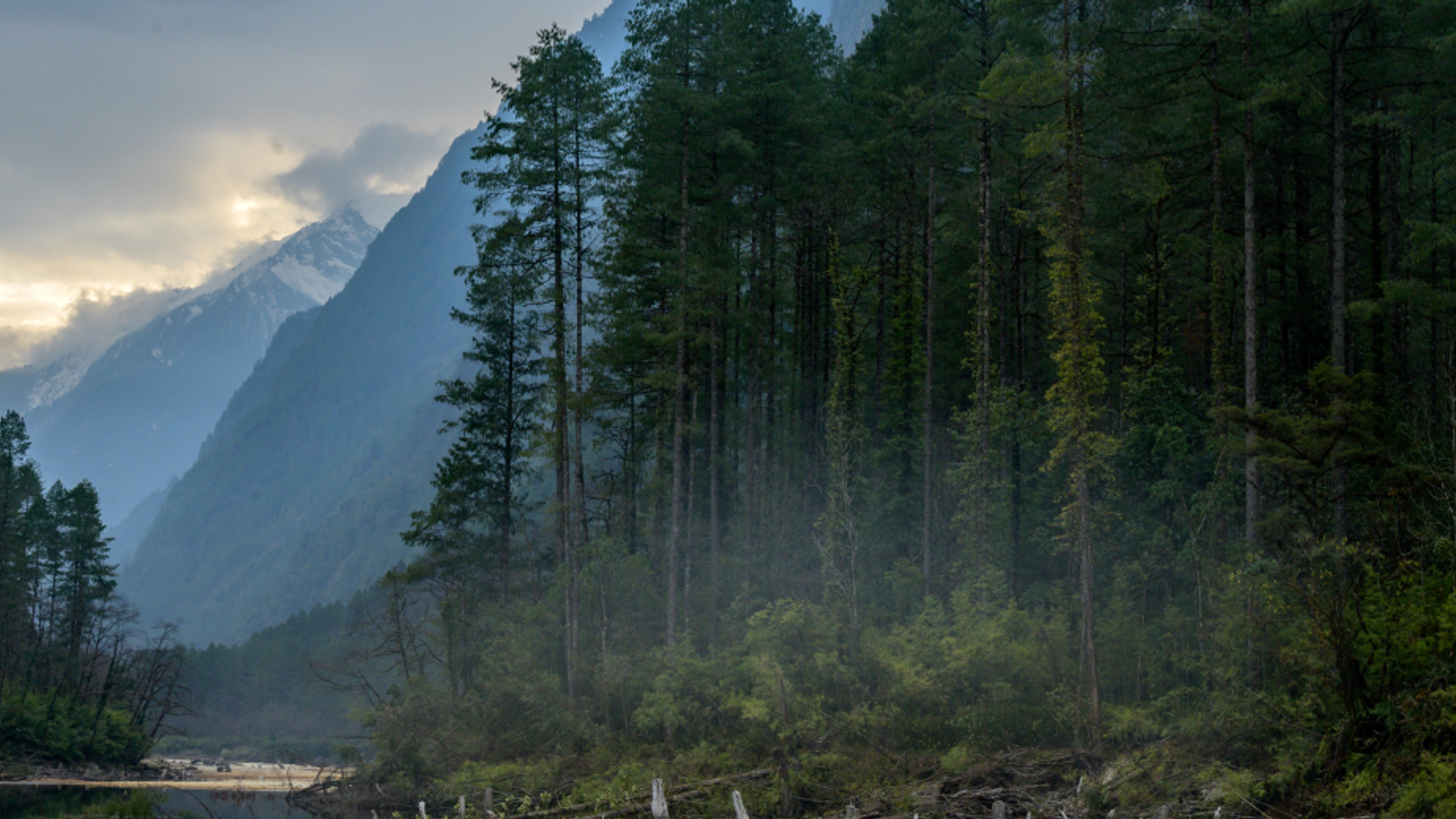
There are tiger reserves, and then there is Namdapha. Spanning over 1,985 square kilometers, this is India’s most eastern wilderness, where the tropical rainforests of the Brahmaputra valley collide with the snow-capped peaks of the Himalayas.
As we look toward the 2026 travel season, Namdapha has emerged as the holy grail for those who have already ticked off Kaziranga and seek something more raw. At BREEZIAH, we call this "Organic Luxury"—not the luxury of a 5-star hotel, but the luxury of cinematic stillness, ancient trees, and the chance to see a Clouded Leopard in the wild. This guide provides a high-authority look at how to navigate India’s most enigmatic National Park.
1. Biodiversity: The Big Cats and Beyond
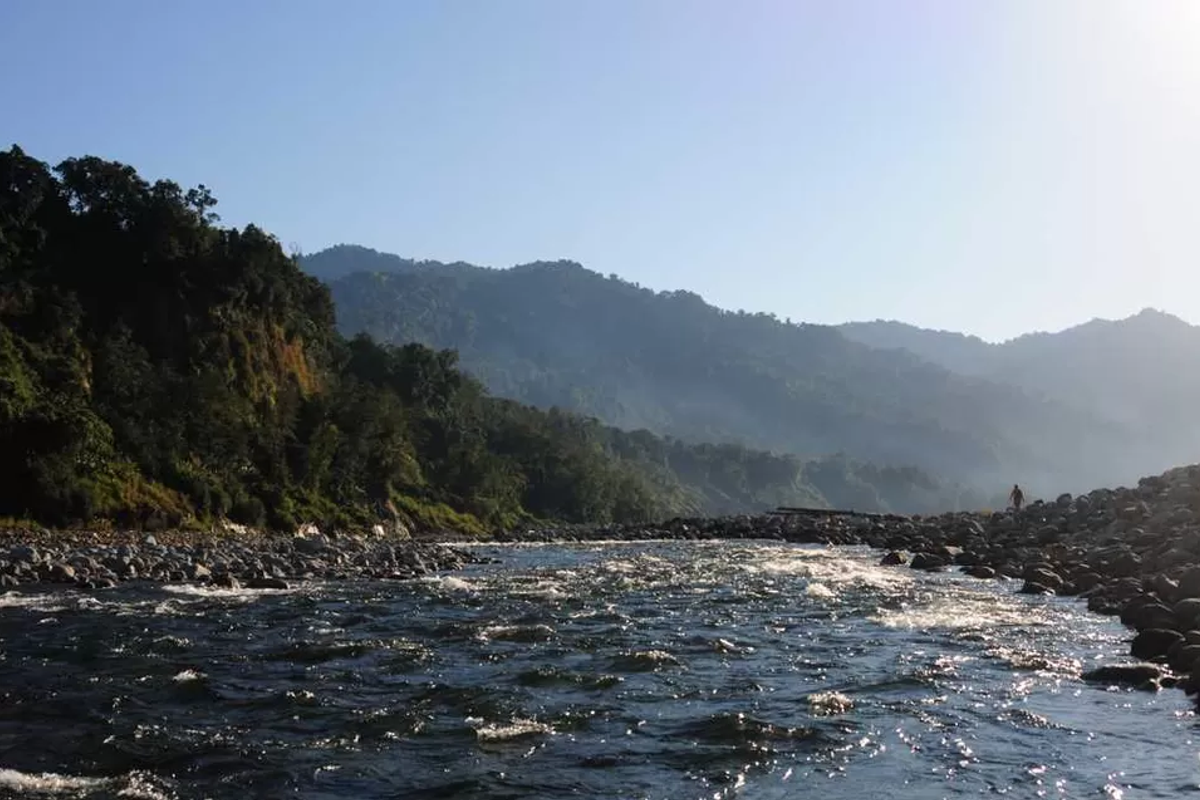
Namdapha is a biological hotspot that defies logic. Because the park’s elevation ranges from 200m to 4,500m, it supports an insane variety of life.
- The Four Kings: It is the only park globally where you find the Tiger, Leopard, Clouded Leopard, and Snow Leopard in one contiguous forest.
- The Hoolock Gibbon: Arunachal’s state animal and India’s only ape. You will hear their haunting songs echoing through the canopy at dawn.
- Namdapha Flying Squirrel: A critically endangered species that is endemic to this specific forest.
BREEZIAH Tip: Don't expect "safari jeeps" like in Central India. Namdapha is meant to be explored on foot. This is where your Arunachal Pradesh adventure truly begins.
2. The 2026 Birding Circuit: Hornbills and Rarities
For birders, Namdapha is the ultimate "Solid Foundation." With over 400 species, it is a primary destination for 2026 "Slow Tourism" enthusiasts.
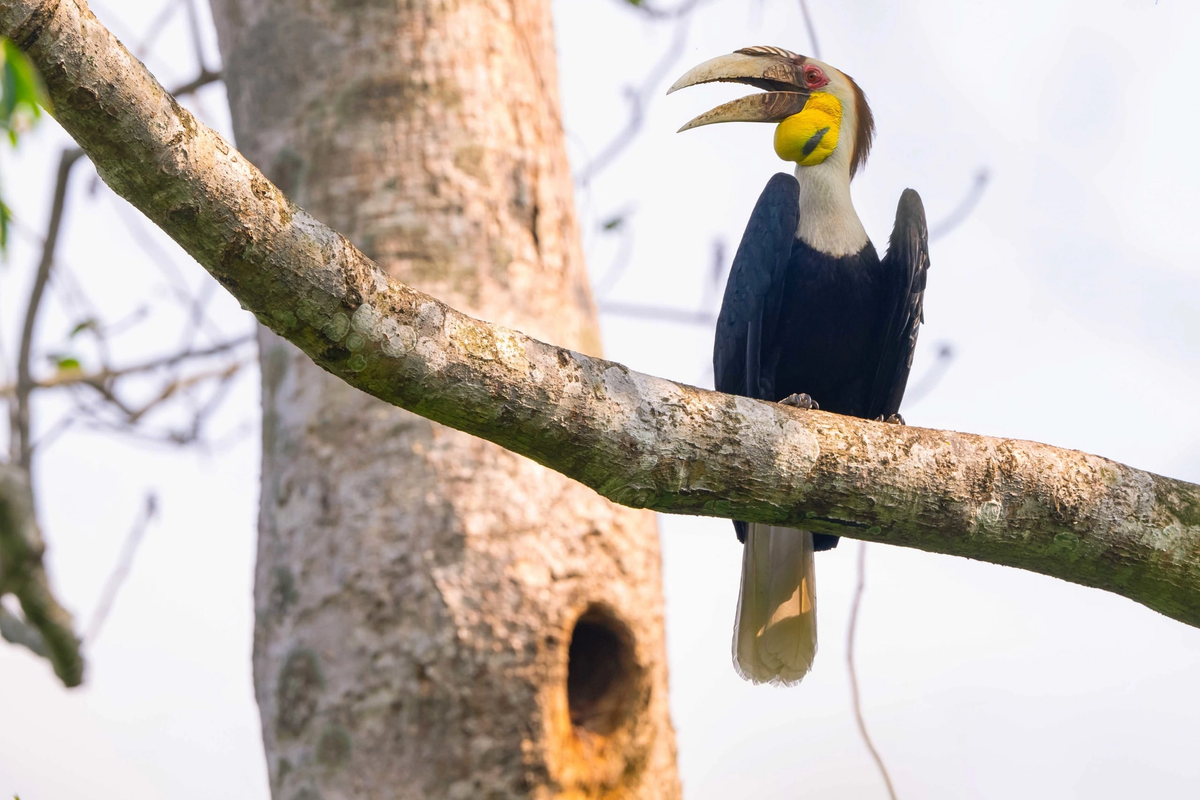
- The Great Hornbill: Witnessing these giant birds fly across the Noa-Dihing river is a life-changing experience.
- The Snowy-throated Babbler: Found almost nowhere else on earth.
- Visual Guide: Keep your lenses ready for the Rufous-necked Hornbill and the Beautiful Nuthatch.
3. Trekking Routes: From Deban to Haldibari
The park is accessed via Miao, and most expeditions start from Deban.
- Haldibari Trek: A great 1-day intro into the deep forest.
- Hornbill Point: A 2-day trek through dense bamboo thickets where hornbills frequent.
- Firmbase to Vijaynagar: For the hardcore explorer. This multi-day trek takes you toward the Myanmar border, staying in jungle camps.
Check our Arunachal Pradesh Tour Packages for customized jungle trekking itineraries that prioritize safety and local knowledge.
4. Logistics: Permits, Cost, and Connectivity
Traveling to Namdapha requires more planning than a trip to Shillong.
- Permits: You need a valid ILP (for Indians) or PAP (for Foreigners). Specify Miao/Namdapha on your application. Use our ILP Online Guide.
- Cost: Expect a 5-day trip from Dibrugarh to cost around ₹45,000 – ₹60,000 for a private experience. Consult our Arunachal Trip Cost Guide.
- Connectivity: 2026 has brought 4G to Miao, but inside the park? Absolute zero. Embrace the "Meaningful Disconnection."
5. The Human Connection: The Lisu and Tangsa Tribes
Namdapha is the ancestral home of the Lisu and Tangsa people.
- The Lisu: Masters of the forest. We partner with Lisu guides because their knowledge of animal behavior is a "Meaningful Product" that no textbook can offer.
- Sustainable Stays: In 2026, we encourage staying in village homestays in Miao to support local economies. Check our [Meghalaya Homestay Guide](https://breeziah.com/destinations/meghalaya/meghalaya - homestay) for context on how North East hospitality is evolving.
6. What to Pack & Safety Tips
- Leech Socks: Non-negotiable during the trekking season.
- Waterproofing: Everything needs to be dry-packed. This is a rainforest.
- Footwear: High-grip trekking boots for river crossings and muddy trails.
- Health: Read our guide on Is Arunachal Safe? for health and safety protocols.
7. The Four Big Cats: A Global Biodiversity Phenomenon
Namdapha is the only place on Earth where you can theoretically find the Tiger, Leopard, Clouded Leopard, and Snow Leopard in one park. This vertical biodiversity is a result of the extreme elevation changes. In 2026, researchers are using AI-integrated camera traps to monitor these elusive predators. For a wildlife lover, just standing in a forest that supports all four is a "Solid Foundation" of bragging rights.
- The Clouded Leopard: This "Modern Mystery" is the star of the park. It is arboreal and perfectly camouflaged in the dense canopy of the lower rainforest.
8. The Noa-Dihing River: The Lifeblood of the Park
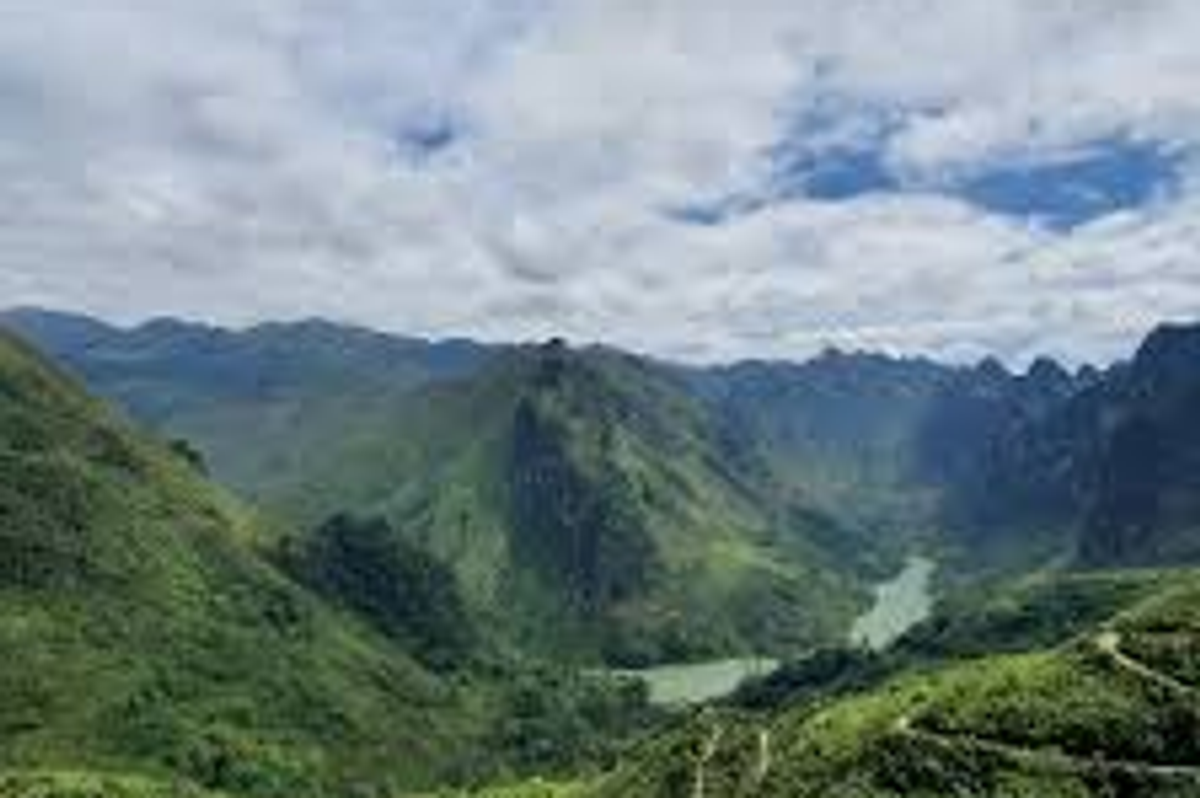
The Noa-Dihing river meanders through the park, creating a stunning visual contrast to the deep green jungle.
- River Crossing: To reach the inner camps like Haldibari, you must cross the river in traditional dugout canoes—a cinematic moment every BREEZIAH traveler remembers.
- Angling & Conservation: In 2026, strictly regulated "Catch and Release" angling for the Golden Mahseer is allowed in specific zones, promoting conservation through high-value eco-tourism.
9. Namdapha’s "Night Life": Nocturnal Expeditions
While most parks shut down at sunset, Namdapha’s magic truly begins at night.
- The Flying Squirrel: The endemic Namdapha Flying Squirrel is a 2026 "bucket-list" sighting. Guided night walks near the Deban camp allow you to spot these along with Slow Lorises and various owl species.
- Cinematic Stillness: The absence of light pollution makes the jungle canopy under a full moon one of our most "Meaningful Products" for photography enthusiasts.
10. Sustainable Jungle Stays: Deban and Beyond
In line with our Organic Luxury philosophy, 2026 has seen an upgrade in how we stay in the wild.
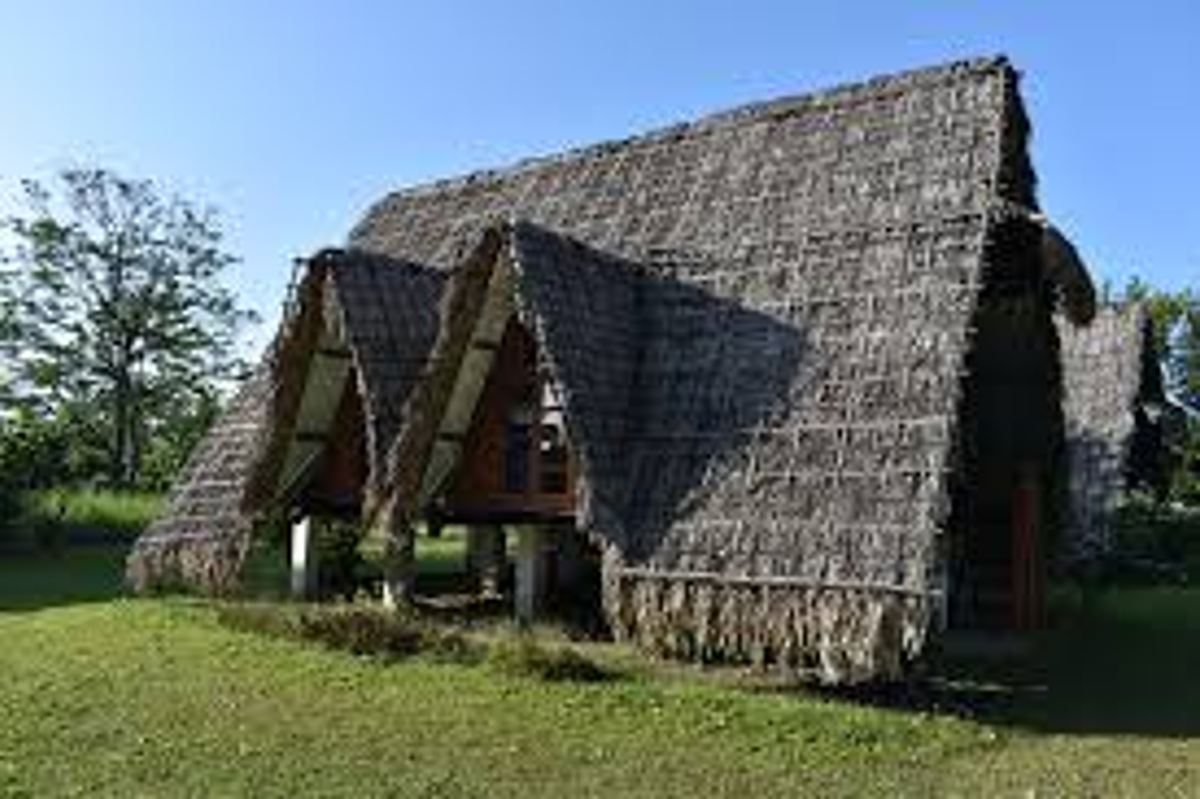
- The Deban Forest Rest House: Perched on a hill overlooking the river, this historic lodge offers a colonial-era charm.
- Jungle Camping: For those heading deeper, we set up "Eco-Camps" that leave zero footprint, using biodegradable materials and solar power.
- Internal Link: Compare this rugged stay with our 5 Beautiful Homestays in Meghalaya for a different perspective on North East hospitality.
11. The 2026 Wildlife Photography Perspective
Photography in a rainforest is notoriously difficult due to low light and high humidity.
- Expert Tip: In 2026, we recommend using "weather-sealed" gear and fast prime lenses.
- Muted Green Aesthetic: The natural lighting in Namdapha creates a "cinematic stillness" that is perfect for the minimalist, refined visual storytelling BREEZIAH is known for.
- Visual Guide: See our Gallery for high-authority shots of Namdapha's rare butterflies and orchids.
7. FAQ: Your Wildlife Questions Answered
Helpful Answers
Frequently Asked Questions
A: Tigers exist here, but due to the dense rainforest and lack of motorable roads, sightings are extremely rare. This is a park for the "experience," not a checklist.
A: The nearest airport and railhead are in Dibrugarh (Assam). From there, it is a 5-hour drive to Miao.
A: Yes, especially in the low-lying wet zones. We provide specialized gear to ensure you remain comfortable during your BREEZIAH trek.
A: We recommend Namdapha for teenagers and adults who enjoy trekking. For a family-friendly wildlife experience, we suggest Kaziranga.
Conclusion: The Last Great Wilderness
Namdapha is not for everyone. It is for those who find "Organic Luxury" in the smell of damp earth and the call of a gibbon. It is a place where you build "Solid Foundations" of memories that last a lifetime.
Ready to rewild your soul? Plan My Trip with BREEZIAH | Explore More Destinations
Plan This Journey
Turn this Arunachal Pradesh guide into a trip that fits your pace
If this guide is part of the kind of holiday you want, Breeziah can help shape the route, travel flow and stay style around your dates, comfort level and destination priorities.
Related Guides
Continue exploring Arunachal Pradesh
11 Best Things to Do in Arunachal Pradesh (2026 Complete Travel Guide)
Arunachal Pradesh is India's last great frontier — and these 11 experiences prove exactly why it needs to be on your 2026 travel list.
5 Hidden Gems in Arunachal Pradesh Beyond Tawang and Ziro
Tired of the tourist crowds? We take you deep into the Mishmi Hills and the high-altitude valleys of Anini and Mechuka. Discover the 5 hidden gems of Arunachal Pradesh that every serious 2026 traveler needs to know about.
Budgeting for Arunachal Pradesh: How Much Does a 7-Day Trip Actually Cost?
Planning a trip to the Land of the Rising Sun? Don't get caught off guard by hidden costs. Our 2026 budget guide breaks down SUV rentals, permit fees, and homestay prices for the ultimate 7-day Arunachal adventure.