Ziro Valley Festival 2025: Everything You Need to Know Before You Go
Published
Reading time
5 min read

Quick Summary: The Ultimate Ziro Checklist
- The Vibe: An eco-friendly, outdoor music festival set in the lush paddy fields of the Apatani tribe in Arunachal Pradesh.
- 2025 Dates: Expected late September (Official dates usually coincide with the last weekend of September).
- Permit Alert: You MUST have an Inner Line Permit (ILP) to enter the state.
- Top 2026 Trend: "Regenerative Partying"—the shift toward zero-waste camping and local homestay experiences that benefit the Apatani community directly.
- The Weather: Expect "Ziro Rain." It’s misty, muddy, and magical. Gum boots are non-negotiable.
1. Introduction: The Greatest Outdoor Music Festival in India
Imagine a stage made of locally sourced bamboo, standing amidst emerald-green rice terraces, with the mist of the Eastern Himalayas rolling over the crowd. This is the Ziro Festival of Music (ZFM).
Since its inception, ZFM has grown from a niche indie gathering into a global pilgrimage for music lovers and culture seekers. In 2025, the festival is leaning harder into its "Eco-Himalayan" roots. It isn't just a concert; it’s a four-day immersion into the soul of Arunachal Pradesh. Whether you're here for the folk-fusion beats or the locally brewed rice beer, Ziro promises an adventure that stays with you long after the mud has washed off your boots.
2. The 2025 Experience: Music, Culture, and Sustainability
The 2025 edition is expected to feature a blend of international indie acts and hyper-local folk talent.
- The Stages: The Danyi (Sun) stage for daytime acoustic and folk vibes and the Pillo (Moon) stage for high-energy evening performances.
- Food & Drink: No commercial plastic-heavy stalls. Expect smoked pork, bamboo shoot delicacies, and the famous Oppo (rice beer) served in bamboo tumblers.
- Trending for 2026: "Skill-sharing workshops." Many attendees now arrive early to learn traditional Apatani weaving or sustainable bamboo construction.
3. Getting to Ziro: Logistics for 2025-2026
Ziro is remote, and that is its charm. Here is how you reach the valley:
- By Air: The nearest airport is Hollongi (Donyi Polo Airport) in Itanagar. From there, it’s a 3-4 hour drive. Alternatively, fly to Guwahati and take a train or taxi.
- By Train: The Naharlagun Express from Guwahati is the most popular choice. From Naharlagun station, Ziro is a 3-hour scenic climb.
- The Road Trip: For the ultimate experience, drive from Guwahati. It’s an 8-10 hour journey that prepares you for the mountain landscape.
Pro-Tip: Ensure your vehicle is ready for mountain terrain. Check our Arunachal logistics guide for more.
4. Permits & Paperwork: The ILP Deep Dive
You cannot simply show up at the Arunachal border.
- Indian Tourists: You need an Inner Line Permit (ILP). We recommend the e-ILP portal for a 24-hour turnaround.
- Foreigners: You require a Protected Area Permit (PAP). This usually requires a group of two or more and must be processed via a registered tour operator like BREEZIAH.
5. Accommodation: Camping vs. Homestays
This is the most critical decision for your Ziro trip.
The Camping Life
Stay in "overland" camps near the festival grounds. It’s communal, loud, and incredibly fun. Many camps provide tents, sleeping bags, and bonfires.
- Pros: Walk to the stage; meet travelers.
- Cons: Can get very cold and damp at night.
Traditional Homestays
Stay with an Apatani family in the village.
- Pros: Authentic experience; warm beds; home-cooked meals; insight into local culture.
- Cons: Usually requires a short taxi ride to the festival grounds.
6. The Apatani Connection: Cultural Etiquette
Ziro is the ancestral home of the Apatani tribe, known for their unique permanent land-use systems and the iconic facial tattoos and nose plugs of the elders.
- Respect the Land: The festival takes place on private agricultural land. Do not litter or trample on young rice stalks.
- Photography: Always ask for permission before taking photos of Apatani elders. A small conversation goes a long way.
- The Matriarchy Influence: Like the Khasi culture in Meghalaya, women play a massive role in Apatani society and commerce.
7. Packing List: Surmounting the Ziro Mud
Ziro in September is unpredictable.
- Gum Boots: Your most important item. The festival grounds will turn into a giant mud pit.
- Rain Poncho: Umbrellas are useless in a mosh pit.
- Layers: It’s hot during the day but drops to 10-12°C at night. Check our Arunachal packing checklist for details.
- Power Banks: Connectivity is weak, and charging points in camps are limited.
8. Ziro Beyond the Festival: Things to Do
Don't just come for the music. Stay for the valley.
- Village Walks: Visit Hong, the largest village in Ziro, to see traditional architecture.
- Talle Valley Wildlife Sanctuary: A trekker’s paradise.
- Ziro Puto: A hilltop offering a panoramic view of the entire valley.
Internal Link: See our guide on things to do in Ziro Valley.
9. Health, Safety, and Connectivity
- Network: BSNL and Airtel work best, but expect 2026 "digital detox" levels of service during the festival.
- Health: There is a government hospital in Ziro, but carry basic meds for colds and stomach upsets.
- Solo Travel: Ziro is incredibly safe. For solo travelers, we recommend our Arunachal solo travel tips (many tips apply state-wide).
10. Sustainable Travel: The BREEZIAH Way
At BREEZIAH, we believe in "Leave No Trace."
- Carry a reusable water bottle (bamboo filters are available locally!).
- Avoid single-use plastics.
- Support local artisans rather than buying mass-produced souvenirs.
11. Why Book with a Local Expert?
Managing logistics for Ziro can be a nightmare—taxis overcharge, and the best homestays are booked six months in advance. BREEZIAH offers Arunachal Pradesh tour packages that include:
- Pre-booked accommodation (Camps or Homestays).
- Verified ILP/PAP assistance.
- Dedicated local guides who know the "secret" after-parties.
12. The After-Parties and The 'Village Sessions'
The music doesn’t stop when the main stage lights go down. In 2025-2026, the real magic happens in the "Village Sessions."
- Campfire Jams: Every major campsite in the valley hosts its own unplugged sessions. This is where you’ll see headliners collaborating with local Apatani folk singers.
- The 'Hao' Experience: Local village community halls (Hao) often host late-night traditional storytelling sessions.
- Social Hubs: Visit the local markets in Old Ziro for after-hour snacks and a chance to meet the festival organizers and artists in a relaxed setting.

13. Photography & Vlogging: Capturing the Ziro Aesthetic
With Ziro being the most "Instagrammable" festival in India, content creators need to be prepared for the environmental challenges.
- Protecting Gear: The high humidity and sudden "Ziro Rain" can kill electronics. Bring dedicated dry bags for your cameras and drones.
- Drone Regulations: As of 2026, drone flights over the festival ground and near the Apatani villages require prior permission from the District Administration.
- The 'Golden Hour': The best light for vlogging is between 4:30 PM and 5:30 PM when the sun dips behind the hills, casting a golden glow over the rice terraces.

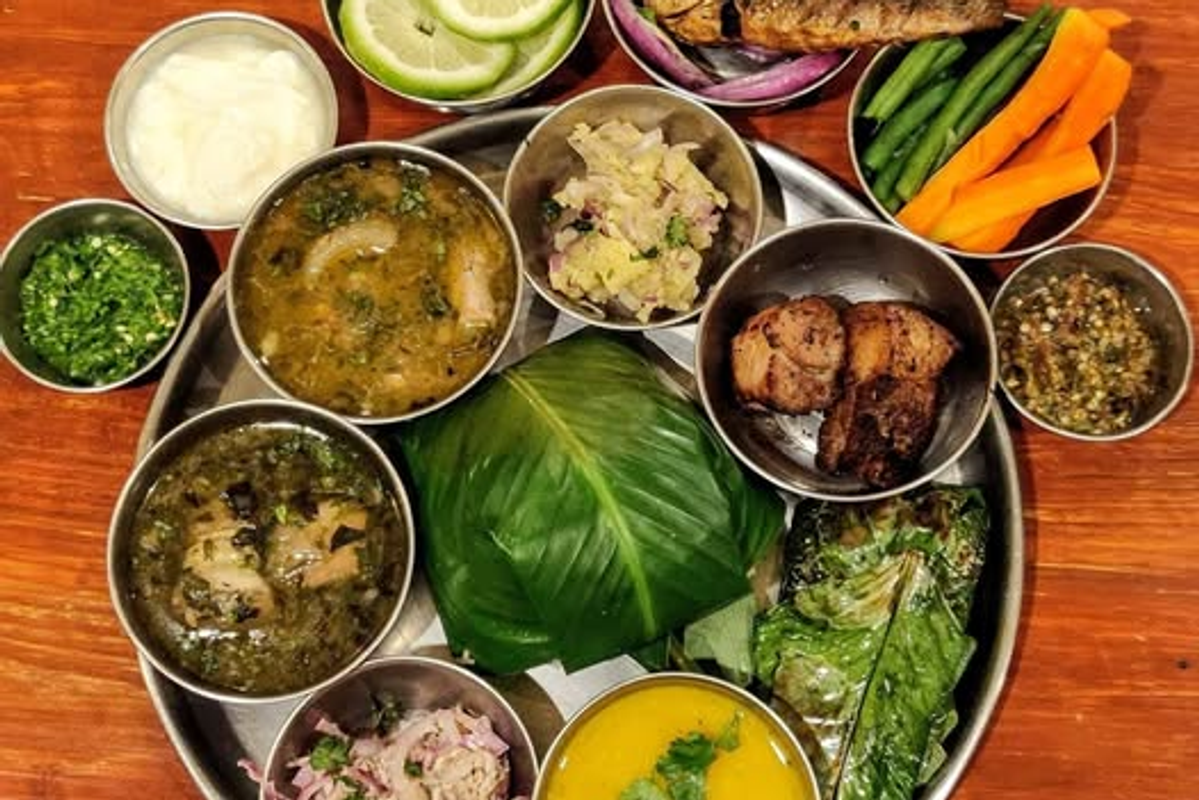
14. Local Flavors: A Foodie's Guide to Ziro
Your palate will experience things in Ziro it won't find even in our Meghalaya food guide.
- Pike Pila: A traditional Apatani dish made with smoked pork and fermented bamboo shoot—essential for a true cultural immersion.
- Sududu: A unique salt made by the Apatanis from the ash of certain plants.
- The Rice Beer Trail: Don't just drink one; try the varieties from different villages. Each has a slightly different fermentation time and sweetness.
15. Volunteer and Work-Exchange Programs
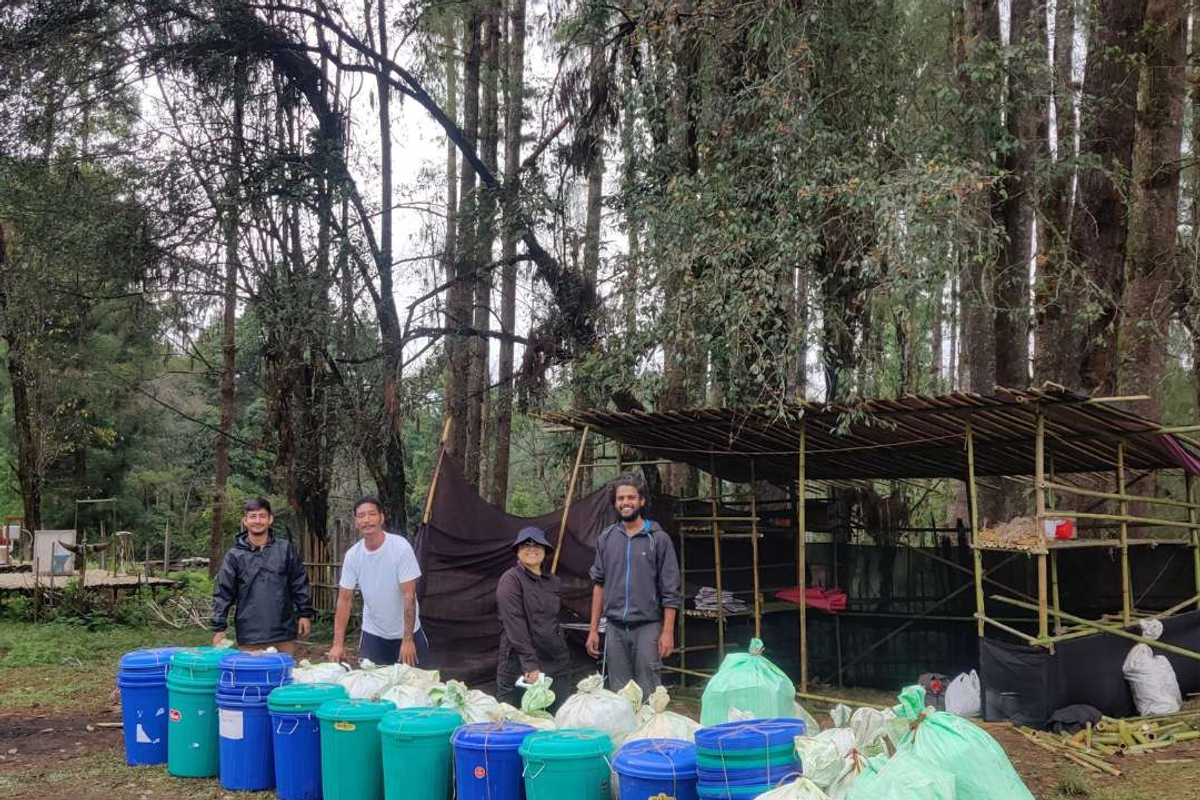
A growing trend for the 2025/2026 season is participating in the festival as a volunteer.
- Eco-Warriors: Join the team responsible for ensuring the festival remains a "zero-waste" event.
- Stage Hands: Get a behind-the-scenes look at how a massive bamboo infrastructure is managed in the mountains.
- Application Timeline: Volunteer applications usually open 3–4 months before the festival. It’s a great way for solo travelers to integrate into the local logistics and culture.
16 Frequently Asked Questions (FAQ)
Helpful Answers
Frequently Asked Questions
A: Usually, festival tickets are non-refundable but transferable. Check the official ZFM portal for 2025 specifics.
A: Yes! Ziro is a family-oriented festival. For more, read our Meghalaya and Arunachal family guide.
A: We highly recommend applying for your ILP online to avoid long queues at the Bhalukpong or Hollongi gates.
A: Including festival tickets, travel from Guwahati, and mid-range camping, expect to spend ₹25,000–₹35,000 per person.
Final Verdict
The Ziro Valley Festival 2025 isn't just about the music—it’s about the journey to the last frontier of India. It’s about the people you meet around a bonfire and the way the sun hits the rice fields at dawn.
Plan This Journey
Turn this Arunachal Pradesh guide into a trip that fits your pace
If this guide is part of the kind of holiday you want, Breeziah can help shape the route, travel flow and stay style around your dates, comfort level and destination priorities.
Related Guides
Continue exploring Arunachal Pradesh
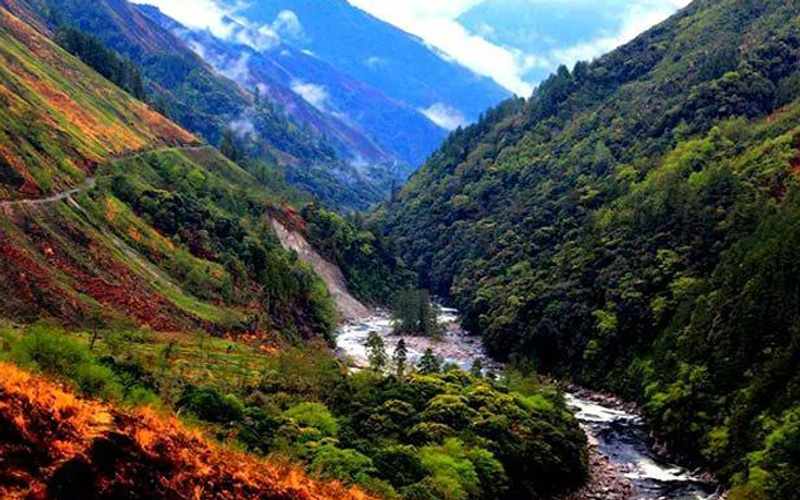
11 Best Things to Do in Arunachal Pradesh (2026 Complete Travel Guide)
Arunachal Pradesh is India's last great frontier — and these 11 experiences prove exactly why it needs to be on your 2026 travel list.

Inner Line Permit (ILP) for Arunachal Pradesh: Complete 2026 Guide (Apply Online + Offline)
Think of the Inner Line Permit (ILP) as your golden ticket to the most pristine landscapes in Northeast India. But with new 2026 digital updates, the process has changed. From navigating the e-portal to getting an 'on-arrival' permit at the Bhalukpong gate, we’ve broken down everything you need to know. Don’t let paperwork stall your adventure—read our ultimate strategist’s guide to securing your Arunachal entry permit in record time."
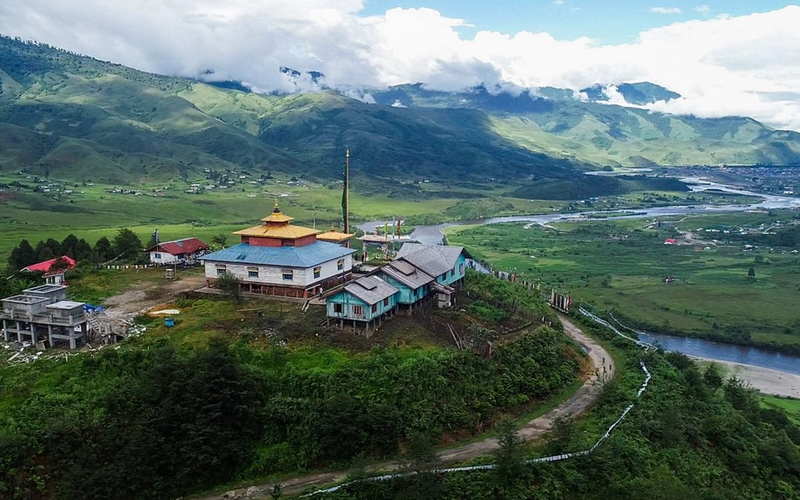
Ziro Valley Music Festival 2026: Everything You Need to Know
Your ultimate guide to the Ziro Festival of Music 2026. Learn about the dates, venue, Apatani culture, and what to pack for this eco-friendly musical pilgrimage in Arunachal Pradesh.