Mawphlang Sacred Forest: The Fascinating Story You Need to Know
Published
Reading time
5 min read
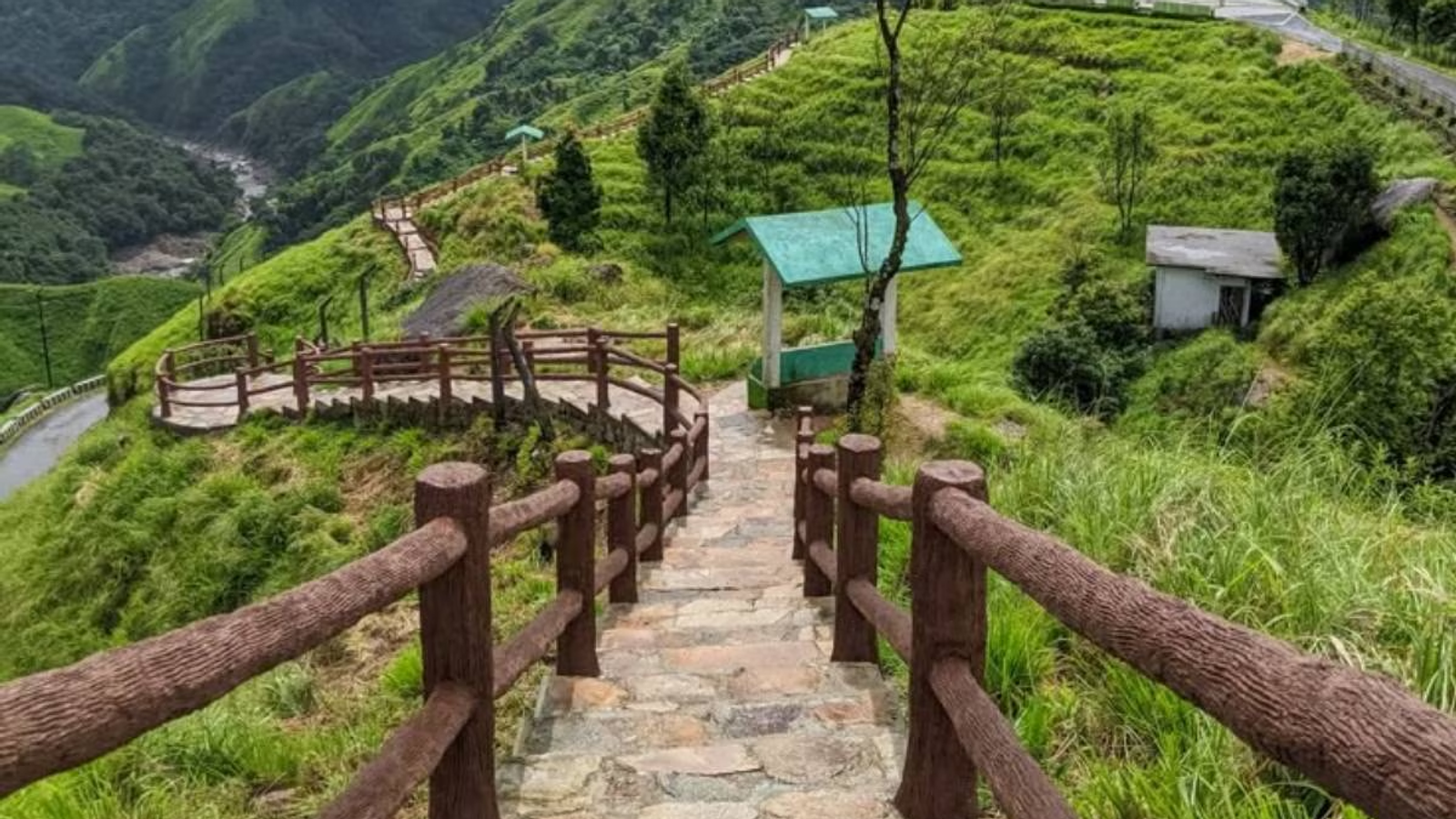
1. The Legend of the Mawphlang Sacred Grove
Deep in the East Khasi Hills, just 25 kilometers from the bustling capital, lies a forest that has remained untouched for over 800 years. The Mawphlang Sacred Forest (known locally as Law Kyntang) is not merely a collection of ancient trees; it is a living deity protected by the local Lyngdoh clan.
In 2026, as global travel trends pivot toward "spiritually grounded" and "eco-conscious" destinations, Mawphlang has become the centerpiece of Meghalaya’s cultural tourism. The forest is a relic of the past, representing a time when the Khasi people lived in complete symbiosis with nature. Walking through the stone-gated entrance feels like entering a different dimension where the humidity rises, the light dims, and the air carries the scent of ancient moss and decaying wood.
The legend tells of the Blah clan, who sought a leader to protect their lands. They found a woman from the Lyngdoh clan who agreed to provide her son as a leader, provided that the grove grew and flourished. She planted three saplings; if they lived, her son would lead. They did, and the forest has been protected by the Lyngdohs ever since.
![Deep interior of Mawphlang Sacred Forest showing moss-covered trees and ancient pathways.]](https://cdn.sanity.io/images/khiai65a/production/22638a13ad5d113f4db4020e0b48f65bfc29d4ca-1280x720.png?rect=100,0,1080,720&w=1200&h=800)
2. The Taboos: What Happens if You Take a Leaf?
The most famous aspect of Mawphlang is the absolute, non-negotiable taboo: "Nothing goes out of this forest." Whether it is a fallen leaf, a dead twig, a flower, or a stone, removing anything from the grove is believed to bring severe misfortune, illness, or even death to the offender.
- The Myth: Local guides frequently tell stories of tourists who tried to take "souvenirs" like a colorful stone or a rare orchid, only to find their cars wouldn't start or their health deteriorated rapidly until they returned to the grove to put the item back.
- The Reality: While the supernatural element is a matter of faith, this ancient belief system has successfully preserved a rare "climax vegetation" ecosystem. In an era where deforestation is a global crisis, Mawphlang stands as a 200-acre testament to the power of indigenous conservation.
- A Professional Note: As your travel partner, BREEZIAH urges you to visit with a local Khasi guide. Not only do they keep you from accidentally breaking a taboo, but they also explain the sacrificial stones used for ancient coronation rituals. For more cultural context, check our 15 essential things to know before visiting Meghalaya.
3. Biodiversity & Rare Flora: A 2026 Ecological Snapshot
Mawphlang is a botanical museum. In 2026, ecological researchers are increasingly focused on these "Islands of Nature" amidst modern development. The grove acts as a gene bank for plants that have disappeared from the rest of the plateau.
Inside, you will encounter:
- Rare Orchids: Over 50 species of orchids, including some that are found nowhere else on Earth.
- Carnivorous Plants: Look closely at the forest floor for the Nepenthes khasiana (Pitcher Plant), which lures and digests insects.
- Ancient Ferns: Massive tree ferns that look like they belong in the Jurassic era tower over the trails.
- Rudraksha Trees: The seeds of these trees, used for prayer beads, are abundant here.
![Rare carnivorous pitcher plant found in the Mawphlang Sacred Grove, Meghalaya.]](https://cdn.sanity.io/images/khiai65a/production/b13863675ec4dba5ea2310b460727e87bd970233-800x533.png?w=1200&h=800)
4. Sacrificial Stones and Khasi Coronation Rituals
As you walk deeper into the grove, you will find clearings filled with megalithic structures. These stones were used for animal sacrifices (usually bulls or goats) to appease the forest deity during times of famine, war, or the crowning of a new king (the Syiem).
The arrangement of stones—upright menhirs and flat dolmens—is a signature of Khasi culture. The upright stones represent the men of the clan, while the flat stones represent the women. This reflects the matrilineal nature of the society, where the lineage continues through the female line.
5. Cherrapunji vs. Shillong: Where Should You Book Your Stay?
One of the most frequent questions we get at BREEZIAH is: "Should we base ourselves in the city or the clouds?" The choice drastically changes your 2026 Meghalaya experience.
Shillong: The Urban Pulse
Shillong is perfect if you want to experience the "Rock Capital of India." It is vibrant, filled with cafes, and centrally located.
- Pros: Better connectivity, incredible food scene at Police Bazar, and proximity to Mawphlang and Laitlum Canyons.
- Cons: Traffic can be heavy during peak 2026 tourist seasons.
- Best For: Solo travelers and foodies.
Cherrapunji (Sohra): The Misty Retreat
Cherrapunji is for those who want to wake up inside a cloud. It is significantly more rural and quiet.
- Pros: Direct access to the best waterfalls in Meghalaya and the gateway to the Double Decker Root Bridge.
- Cons: Limited dining options outside of resorts; can get very cold/wet.
- Best For: Honeymooners and adventure seekers.
6. Best Luxury and Boutique Stays for 2026
For a seamless trip, we recommend splitting your stay: 2 nights in Shillong and 3 nights in Cherrapunji.
- In Shillong: Look for luxury homestays in the Upper Shillong or Laitumkhrah areas. They offer the best mix of local warmth and modern amenities.
- In Cherrapunji: The Polo Orchid Resort or the Jiva Resort are the gold standards for 2026. If you prefer something offbeat, try riverside glamping in nearby Dawki after your Sohra stay. Check our Dawki guide for more.
7. How to Reach and Seasonal Travel Tips
- Getting There: Mawphlang is 25 km from Shillong. We recommend hiring a private cab for the day. For budget planning, see our Meghalaya trip cost guide.
- Best Time to Visit: * October to April: Ideal for trekking and clear mountain views.
- June to August: If you want to see the forest at its most "mystical" and foggy, the monsoon is unbeatable, though the trails can be slippery. Ensure you check our Meghalaya packing list for the right footwear.
8. The BREEZIAH 2026 Recommended Itinerary
To experience the "spirit" of the state, we suggest this flow:
- Day 1-2: Arrive in Guwahati, drive to Shillong. Cafe hopping and Police Bazar exploration.
- Day 3: Morning at Mawphlang Sacred Forest. Afternoon at Laitlum Canyons. Overnight in Shillong.
- Day 4-5: Transfer to Cherrapunji. Visit Seven Sisters Waterfall and the Mawsmai Caves.
- Day 6: Drive to Dawki for a boat ride. Overnight at a homestay.
- Day 7: Return via Jowai to see Krang Suri Falls.
For a fully managed trip, explore our Meghalaya tour packages.
9. Frequently Asked Questions (FAQs)
Helpful Answers
Frequently Asked Questions
Yes, a small fee is collected by the local community for the upkeep and protection of the forest.
It is not recommended. Guides are mandatory to ensure you don't break local taboos or get lost in the dense foliage.
Meghalaya is very honest, but always confirm taxi rates beforehand. Read our guide on avoiding tourist scams for peace of mind.
Shillong is easier for families with kids due to the availability of varied food and medical facilities. Cherrapunji is better for active families who love trekking.
Ready to step into the ancient past? At BREEZIAH, we don’t just book tours; we curate stories. Whether you want an 8-day explorer trip to Wari Chora or a quick 4-day escape, let us handle the logistics while you soak in the magic.
[Contact BREEZIAH for your 2026 Meghalaya Adventure Quote]
Plan This Journey
Turn this Shillong guide into a trip that fits your pace
If this guide is part of the kind of holiday you want, Breeziah can help shape the route, travel flow and stay style around your dates, comfort level and destination priorities.
Related Guides
Continue exploring Shillong
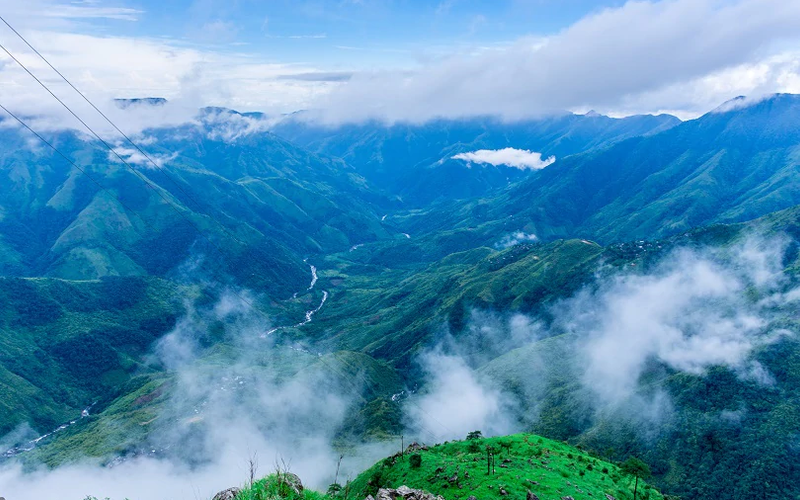
15 Things To Do In Shillong For An Unforgettable Trip In Meghalaya 2026
From Elephant Falls to Laitlum Canyon, cherry blossoms to Khasi cuisine — discover the 15 best things to do in Shillong for an unforgettable Meghalaya trip.
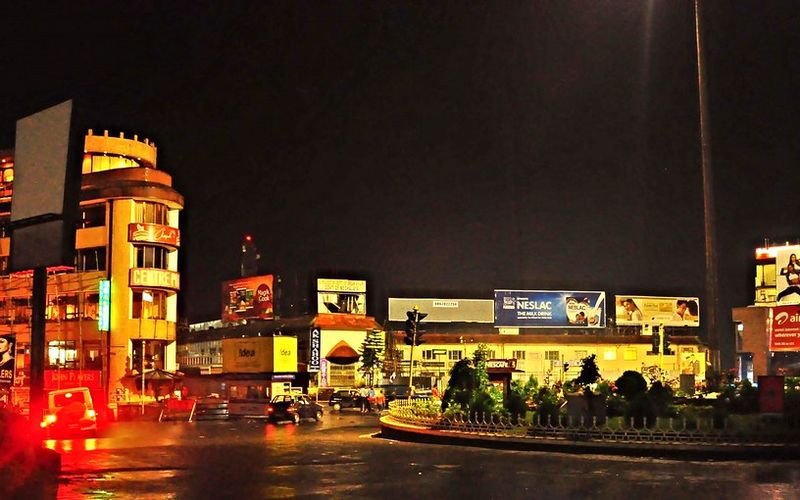
Cherrapunji vs. Shillong: Where Should You Book Your Stay in 2026?
Deciding between the "Scotland of the East" and the "Wettest Place on Earth"? This 2026 guide breaks down Shillong vs. Cherrapunji for every traveler type, from luxury seekers to offbeat adventurers.
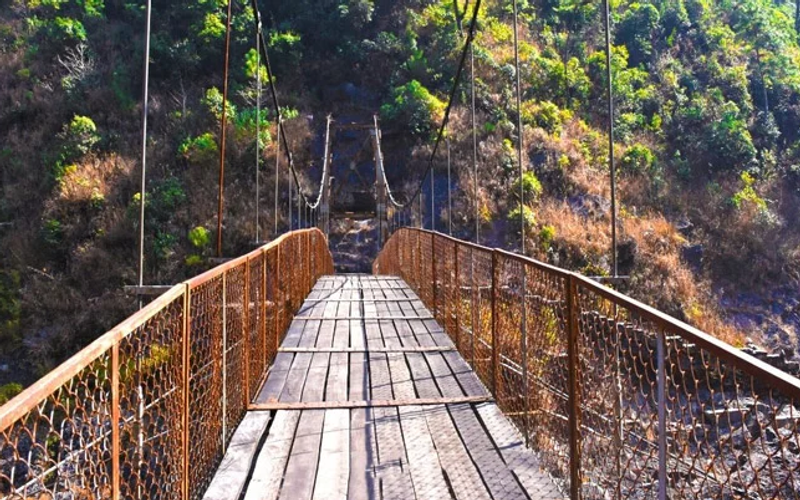
8 Best Trekking Trails in Shillong: The Ultimate Shillong Trekking Guide (2026)
Explore the 8 best trekking trails in Shillong. From David Scott to the bamboo trek, get expert tips on distance and difficulty for your next trip.