10 Things to do in Mawlynnong — Asia's Cleanest Village Guide 2026
Published
Reading time
8 min read

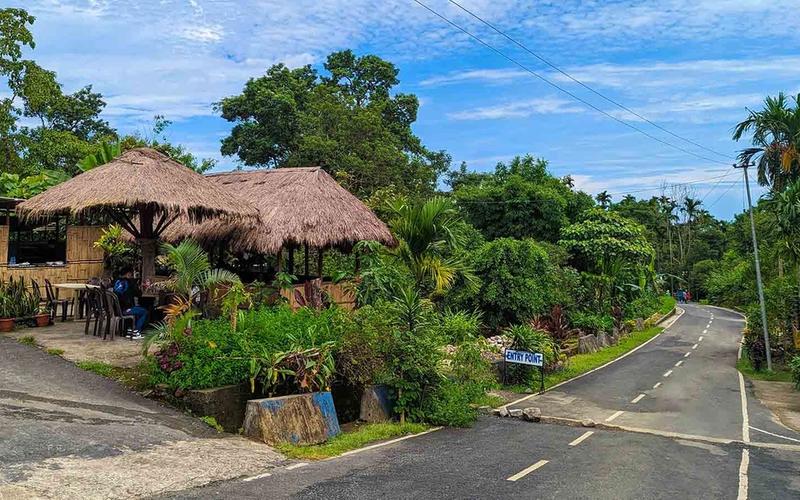
There is a village in the East Khasi Hills of Meghalaya where every path is lined with flowers, every doorstep has a bamboo dustbin, and the roads are swept before sunrise. The children pick up litter as a matter of habit, not instruction. And the surrounding forest feels like a garden that has been quietly tended for centuries.
This is Mawlynnong — officially recognised as Asia's Cleanest Village, locally known as God’s Own Garden, and one of the most extraordinary destinations in Northeast India. A place so remarkable that Prime Minister Modi cited it in his 2015 Mann Ki Baat radio address as a model for the rest of the country.
Just 90 km from Shillong and a short drive from the glass-clear waters of Dawki, Mawlynnong is far more than a checkbox on a Meghalaya itinerary. Planning a route that covers Mawlynnong alongside Shillong, Cherrapunji, and Dawki? The Meghalaya Tour Shillong - Cherrapunjee - Dawki [5 Days] | Breeziah Travel Blog maps the perfect 5-day route before you go.
Here are the 10 best things to do in Mawlynnong that you absolutely cannot miss.
1. Walk Through Mawlynnong — Asia's Cleanest Village in Meghalaya
The single best thing to do in Mawlynnong costs nothing and needs no planning — just wake up early and walk. Leave your room at 6 AM and wander the lanes aimlessly. Every house has extraordinary landscaping — bougainvillea spilling over walls, ferns growing between stone paths, bamboo dustbins outside every single door. The deeper you walk into the village, the more beautiful it gets.
What Makes Mawlynnong Village Unique
The village earned its title of Asia's Cleanest Village from Discover India magazine in 2003 — a recognition that reflects a genuine way of life, not a marketing campaign. The Khasi community here runs on a 100% literacy rate and has practiced community-led cleanliness and forest conservation for generations. Mawlynnong is also the only village in India where matrilineal society is still actively practised — surnames and inheritance pass through the mother's name, not the father's.
Timings: Open all day; 6:00 AM is the best time before day trippers arrive.
Location: Mawlynnong Village, East Khasi Hills, Meghalaya 793112.
How to Reach: 90 km from Shillong via NH6; shared taxis from Police Bazar, Shillong, or a private cab recommended.
Entry Fee: Approx. ₹25 per person village entry
Good to Know: Most public attractions in Mawlynnong remain closed on Sundays. Plan your visit between Monday and Saturday to get the full experience. This is the single most useful tip that travel blogs often overlook.
2. Cross the Jingmaham Living Root Bridge Near Mawlynnong
The Jingmaham Living Root Bridge — also called the Riwai Living Root Bridge — is one of the most extraordinary natural structures in India and the most-searched-for attraction in the Mawlynnong area. Built entirely from the aerial roots of the Ficus Elastica rubber tree, trained and guided over decades by Khasi hands, this 300-year-old bridge crosses a clear stream. It continues to grow stronger with every passing year.
How the Jingmaham Living Root Bridge Was Built
The Khasi people channeled roots through hollow betel tree trunks, directing growth toward the opposite riverbank. Once the roots reached the other side and penetrated the soil, they were cobbled with stones to form a walkable path. Unlike concrete structures, this bridge gains strength over time — and locals say it can last up to 500 years. A 150 to 200 step descent from the parking area leads you through dense forest to the bridge. Crossing it and seeing it from the opposite bank is when you truly understand the scale of what has been built here over centuries.
Timings: 5:00 AM – 5:00 PM Location: Riwai Village, 3 km from Mawlynnong Bus Stop How to Reach: Short walk or auto ride from Mawlynnong main parking area; ask locals for directions Entry Fee: ₹40 per person
Good to Know: Spend at least 2 hours here — clouds can roll in quickly and cover the bridge completely. Wait it out; the mist-covered bridge is worth seeing too. The steps get very slippery in the rain — wear shoes with a solid grip and consider picking up a bamboo walking stick from vendors on the path down.
3. Climb the Sky Walk (Bamboo Watchtower) in Mawlynnong
At 85 feet high and built entirely from bamboo poles, jute, and natural tree branches — without a single nail or piece of metal — the Sky Walk in Mawlynnong is one of the most inventive viewpoints in all of Meghalaya. Also known as the Nohwet Viewpoint, this spiraling bamboo tower was designed by a local schoolteacher, Rishop Khongthongreh, and rises through the canopy of six large trees before opening onto a square platform at the top.
What to See From the Mawlynnong Sky Walk
Visitors climb four circular layers of bamboo ladders to reach the top, where a bird's-eye view of the entire village opens up below — the neat rows of flower-draped homes, the surrounding forest, and, on a clear day, the flat plains of Bangladesh stretching to the horizon. It is one of the most photographed views in Meghalaya and is completely worth the slightly wobbly climb.
Timings: 7:00 AM – 5:00 PM Location: 2 km from Mawlynnong Bus Stop; follow signboards from the main village path How to Reach: Walkable from the village centre Entry Fee: ₹30 per person
Good to Know: On cloudy mornings, the entire platform can disappear into mist. If visibility is low when you arrive, explore the village first and return — the view that appears when the clouds clear is one of the most stunning in the entire East Khasi Hills region.
4. See the Bangladesh Plains From the Treehouse Viewpoint
There is a bamboo treehouse in Mawlynnong where, at the top of a set of bamboo stairs, the landscape opens up completely — the hills of Northeast India on one side, and the vast, flat plains of Bangladesh stretching endlessly on the other. Two countries in a single glance, separated by nothing more than an invisible border and the winding Umngot River below.
Why the Bangladesh Viewpoint Is a Must-Visit in Mawlynnong
The sheer scale of the view puts the geography of Northeast India into vivid perspective. On clear days, the detail is remarkable — fields, rivers, and settlements in a country you are not standing in. Sunrise visits are particularly stunning when morning mist rolls across the plain,s and the borderlands glow in early gold.
Timings: Best at sunrise and during clear weather; avoid overcast days.
Location: On the outskirts of Mawlynnong village, near the Sky Walk area.
How to Reach: 10-minute walk from the village centre; well signposted
Entry Fee: Free
Good to Know: Here is something almost no travel blog mentions — near the India-Bangladesh border, your phone will automatically shift to Bangladesh time, which runs 30 minutes ahead of Indian Standard Time. Do not panic when your phone reads 6:00 AM but your watch says 5:30 AM. Keep a wristwatch and use that to plan your day.
5. Visit the Balancing Rock of Mawlynnong
On the outskirts of the village sits one of Meghalaya's most quietly fascinating natural landmarks — the Balancing Rock of Mawlynnong, known locally as Maw Ryngkew Sharatia. A massive boulder rests on a far smaller stone beneath it at an angle that appears to defy every law of physics. It has maintained this position through centuries of monsoons, earthquakes, and storms — completely unmoved.
The Legend Behind the Balancing Rock
This formation was a sacred shrine of the Khasi tribe for centuries — a site of ritual and reverence until the arrival of Christian missionaries transformed the village's faith in the 19th century. Some Khasi elders say the boulder rises briefly from the ground once a year on a specific day, appearing to float in mid-air for a few minutes before settling back. The rock is also known locally as a shark's jaw — look at it from the side, and the resemblance is unmistakable.
Timings: 6:00 AM – 5:00 PM Location: 2 km from Mawlynnong Village, East Khasi Hills, Meghalaya How to Reach: Short walk from the village centre; well signposted along the main path Entry Fee: Free
Good to Know: The formation is best appreciated when you walk around it fully — the shark’s-jaw resemblance is only clear from a specific angle on the side. Most visitors miss it entirely by only looking at it head-on.
6. Visit the Church of Epiphany — The Heart of Mawlynnong's Cleanliness
Here is what most Mawlynnong blogs skip — and it is the single most important cultural stop in the village. The Church of Epiphany was built in 1902 by Welsh Christian missionaries who arrived in Mawlynnong from Bangladesh in the 19th century. And here is the connection that changes everything: this church is the direct reason Mawlynnong became Asia's Cleanest Village.
Why the Church of Epiphany Matters in Mawlynnong
The missionaries taught the community that cleanliness was a path to God — a principle the Khasi people absorbed, owned, and built into the DNA of village life over the next 120 years. The bamboo dustbins, the swept paths, the flower-draped homes — every single thing that earns Mawlynnong its title traces back to this 100-year-old black-and-white church with its steep sloping roof and prominent cross. Visiting it without knowing that story is like seeing half a photograph.
Timings: 8:00 AM – 5:00 PM Location: Opposite Mawlynnong Bus Stand, East Khasi Hills, Meghalaya 793112 How to Reach: At the entrance of the village; visible from the main road on arrival Entry Fee: Free
Good to Know: The church is visible from the terraces of several homestays in the village. If you are spending the night in Mawlynnong, watching the church lit against the evening sky from your terrace is one of those quiet, unrepeatable moments that stay with you long after you leave.
7. Explore the Sacred Forest and Khasi Heritage Village in Mawlynnong
On the edge of the village, the Mawlynnong Sacred Forest is a dense stretch of ancient woodland that the Khasi community has protected through traditional customary law for centuries, long before conservation became a global conversation. The forest is home to rare medicinal herbs, towering old-growth trees, and a silence that feels deliberately preserved rather than simply undisturbed.
What to See at the Khasi Heritage Village
Adjacent to the sacred forest, the Khasi Heritage Village features traditional tribal huts and provides context on the Khasi way of life before and after the arrival of missionaries in the 19th century. It is a beautifully layered cultural and natural experience—history, ecology, and living tradition — all within a 20-minute walk of the village centre.
Timings: Daytime visits recommended; early morning is most atmospheric. Location: On the edge of Mawlynnong village, adjacent to the Khasi Heritage Village.
How to Reach: Walkable from the village centre; ask locals for the path to the sacred grove.
Entry Fee: Free
Good to Know: The sacred forest is best experienced in complete quiet. Leave your group for a few minutes, stand still, and listen. The density of birdcall in this patch of protected woodland is unlike anything in the main village — and entirely different from the park-like atmosphere most visitors expect.
8. Shop for Khasi Handicrafts and Try Local Food in Mawlynnong
The small cluster of shops near the village entrance carries some of the finest Khasi handicrafts in Meghalaya — handwoven bamboo baskets, traditional fabrics, wooden carvings, and the region's prized Lakadong turmeric, which has one of the highest curcumin concentrations of any turmeric variety in the world and is one of Meghalaya's most sought-after natural exports.
What to Eat in Mawlynnong
And then there is the food. Mawlynnong homestays serve meals made almost entirely from locally grown produce — hot breakfast parathas made from village-grown potatoes and chilies, and traditional Khasi dishes like Jadoh (rice cooked in pork or chicken broth) and Dohkhlieh (a pork and ginger salad) for dinner. The pineapples of Meghalaya are exceptionally sweet — if you spot a vendor selling fresh-cut pineapple anywhere in the village, do not walk past it.
Timings: Shops open approximately 8:00 AM – 6:00 PM Location: Near the village entrance and along the main village path How to Reach: Within the village; no transport needed Entry Fee: Free to browse
Good to Know: Shopping in Mawlynnong is calm and unhurried — no aggressive touts, no inflated tourist pricing. Many locals sell directly from their homes. Buying a handwoven basket directly from the maker is one of the most satisfying experiences you can have here.
9. Stay the Night at a Khasi Homestay in Mawlynnong
Spending a night in Mawlynnong through a Khasi community homestay is the single best way to experience the village beyond its daytime tourist identity. After the day trippers leave and the village quiets down, Mawlynnong reveals something completely different — families gathered on swept verandahs, the smell of local cooking drifting between homes, the sound of the forest at night replacing the sound of cameras and footsteps.
What to Expect at a Mawlynnong Homestay
Most homestays are run by local Khasi families and offer simple, clean rooms alongside home-cooked meals. The conversations over dinner alone are worth the stay. For a fully planned Meghalaya trip that weaves a Mawlynnong homestay into a wider itinerary covering Shillong, Cherrapunji, and Dawki, the Meghalaya Magic: Ultimate Trip Guide 2026 | Breeziah Travel Blog is essential reading before you finalize your dates.
Timings: Check-in from 12:00 PM; check-out by 10:00 AM Location: Various homes throughout Mawlynnong village How to Reach: Book through the village community or via a trusted Northeast travel agency Entry Fee: Approx. ₹800 – ₹1,500 per person per night including meals
Good to Know: Book your homestay at least 2 weeks in advance during peak season (October to February). There are only a handful of official homestays in the village, and availability is genuinely limited — do not assume you can walk in and find a room.
10. Take a Day Trip to Dawki From Mawlynnong
Mawlynnong and Dawki are only 14 km apart — and combining both in a single day is one of the most rewarding things to do on any Meghalaya trip. The crystal-clear Umngot River at Dawki, where boats appear to float on air above a perfectly transparent riverbed, is among the most photographed natural sights in all of India — and one shore of the river is India while the opposite bank is Bangladesh.
Why Dawki Is the Perfect Day Trip From Mawlynnong
A morning in Mawlynnong — walking the village, crossing the root bridge, climbing the sky walk — followed by an afternoon boat ride on the Umngot at Dawki makes for a near-perfect day in Meghalaya. The two destinations complement each other beautifully: one is about community and culture; the other is about raw, transparent natural wonder. Before you plan this combination, read 15 Essential Things to Know Before Visiting Meghalaya (2026 Travel Guide) | Breeziah Travel Blog — it covers everything first-time Meghalaya visitors need to know, including permits, road conditions, and seasonal tips.
Timings: Start early from Mawlynnong — aim to reach Dawki by 11:00 AM for the clearest water and best light Location: Dawki, East Jaintia Hills, Meghalaya — 14 km from Mawlynnong How to Reach: Hire a local taxi or private vehicle from Mawlynnong; arrange a return trip in advance Entry Fee: Boating on Umngot River approx. ₹800 – ₹1,200 per boat
Good to Know: The Umngot River is at its absolute clearest between November and March. Avoid visiting right after heavy rain — the water turns murky and the famous glass-bottom boat experience is far less impressive than the photographs suggest.
Plan This Journey
Turn this Mawlynnong guide into a trip that fits your pace
If this guide is part of the kind of holiday you want, Breeziah can help shape the route, travel flow and stay style around your dates, comfort level and destination priorities.
Related Guides