Seven Sisters Waterfall, Meghalaya: The Ultimate Guide to Nohsngithiang Fall
Published
Reading time
5 min read
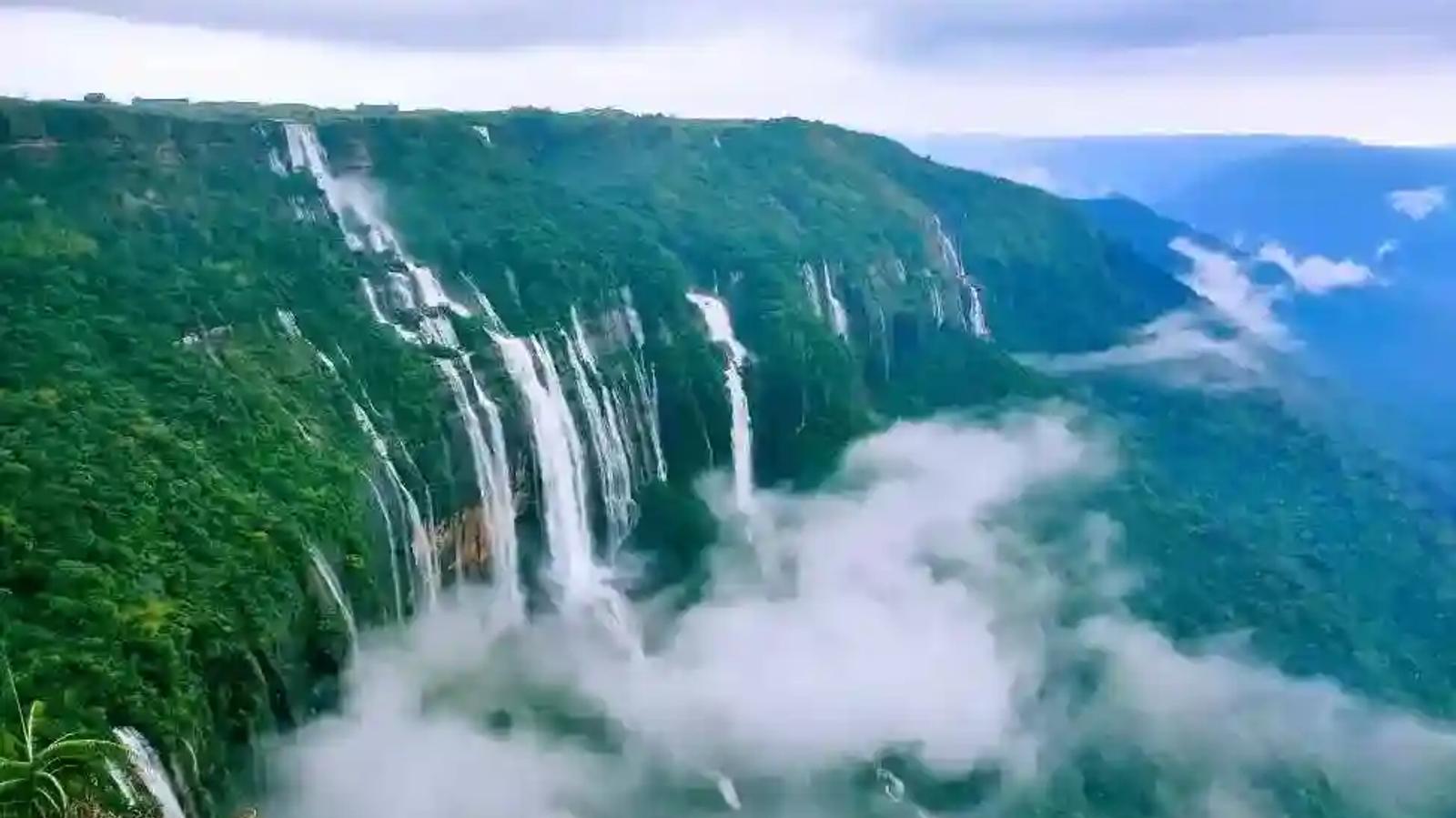
The seven sisters waterfall meghalaya, also known as Nohsngithiang Falls, is a massive segmented waterfall located in Mawsmai Village. It is a centerpiece of East Khasi Hills sightseeing, plunging from a height of 315 meters (1,033 feet). Unlike other Meghalaya waterfalls, this landmark features seven distinct limestone segments that cascade side-by-side during the monsoon season.
At Breeziah, we recommend this spot for travelers seeking the best Cherrapunji waterfall experience. It offers a wide, panoramic view that stretches across the cliffs toward the Bangladesh plains. Whether you are on a Shillong to Seven Sisters Falls day trip or a longer Meghalaya tour package, this site is a must-see for its scale and natural symmetry.
Why It Is Called Seven Sisters Waterfall?
The name refers to the seven distinct segments of water that appear side-by-side on the cliff face. It is a visual marvel that symbolizes the unity of the seven states of Northeast India.
- Segmented Flow: Water separates into seven channels during heavy rains.
- Limestone Cliffs: The rugged rock face adds a dramatic contrast to the white foam.
- Visual Scale: Spans a massive width, making it look like a curtain of water
The Legend: Nohsngithiang Falls
The local Khasi name, Nohsngithiang Falls, translates to "the leap of the sun." According to the Seven Sisters Waterfall Meghalaya story and legend, the falls are positioned to catch the setting sun.
When the light hits the water, it creates vibrant rainbows and a golden glow. This celestial display is a highlight for those exploring Cherrapunji waterfalls.
Best Time to Visit Seven Sisters Waterfall, Meghalaya
Timing is vital for this rain-fed wonder. Check our best time to visit Meghalaya guide for more details.
The Seven Sisters Waterfall is a breathtaking natural spectacle, but since it’s entirely rain-fed, the waterfall’s appearance changes dramatically with the seasons. Here’s a seasonal guide to help you plan:
Monsoon (June – September)
- Flow Level: Maximum
- Experience: This is the ultimate time to witness the iconic “Seven Sisters” effect, with all seven streams gushing at full strength. Lush greenery surrounds the falls, creating a dramatic, postcard-perfect scene. Paths can be slippery, and heavy rains may affect road conditions, so caution is advised.
Post-Monsoon (October – November)
- Flow Level: Moderate
- Experience: The waterfall still flows impressively, and the skies are clear, making this season perfect for photography. The greenery remains vibrant, and trekking becomes safer and more enjoyable compared to the monsoon.
Winter (December – February)
- Flow Level: Low or dry
- Experience: Many streams may reduce to a trickle or dry up entirely. While the waterfall may not be at its peak, this is an excellent time for exploring Meghalaya’s trekking trails, caves, and serene landscapes without the crowds.
Tip: First-time visitors seeking the full spectacle should visit during monsoon, photography enthusiasts will enjoy the post-monsoon season, and trekkers or adventure seekers can explore quieter trails in winter.
How to Reach Seven Sisters Waterfall, Meghalaya
The journey from Shillong to Seven Sisters Falls is one of the most scenic drives in India.
- From Shillong: Approximately 54 km. The drive takes 2 to 2.5 hours via the Shillong-Sohra road.
- From Guwahati: 150 km. A 4.5 to 5-hour drive. We recommend a Meghalaya itinerary from Guwahati.
- Road Conditions: Mostly excellent, but expect heavy fog and slow traffic during monsoons..
Top Things to Do at Seven Sisters Falls
- Walk the Plateau Edge at Eco Park: This is the most immersive way to see the falls. Managed by the local community, the park sits right on top of the plateau. You can walk along the stream and stand safely at the very edge where the water begins its 1,000-foot plunge into the canyon.
- Photograph the "Leap of the Sun": Arrive in the late afternoon (around 4:00 PM). Because the falls face south, the sunlight hits the limestone at an angle that creates vivid rainbows across the mist. This is the peak window for Seven Sisters Waterfall, Meghalaya photography.
- Spot the Bangladesh Horizon: On a clear day, look past the base of the falls. The deep green canyons of the East Khasi Hills open up directly into the flat, emerald floodplains of the Sylhet district in Bangladesh. The contrast between the rugged mountains and the endless plains is a sight unique to this viewpoint.
- Experience the "Mist Window": Sohra is famous for sudden, thick fog that can hide the entire 1,000-foot cliff in seconds. A favorite activity for visitors is waiting for the "window"—the brief moments when the wind suddenly clears the mist to reveal all seven segments of the seven sisters waterfall at once.
- Explore the Limestone Water Sources: Inside the upper plateau area, you can see how the rain-fed streams navigate the jagged limestone before reaching the cliff. It provides a fascinating look at the geology that makes Meghalaya waterfalls so distinct from those in the rest of India.
Seven Sisters Waterfall, Meghalaya Photography Tips
- Wide Lens: Use a 16mm lens to capture all seven segments.
- Golden Hour: Arrive at 4:00 PM for the "Leap of the Sun" effect.
- Mist Management: Carry a microfiber cloth to wipe your lens constantly.
- Drone Use: Allowed, but be careful of high-velocity winds at the cliff edge.
Top Stays Near the Falls
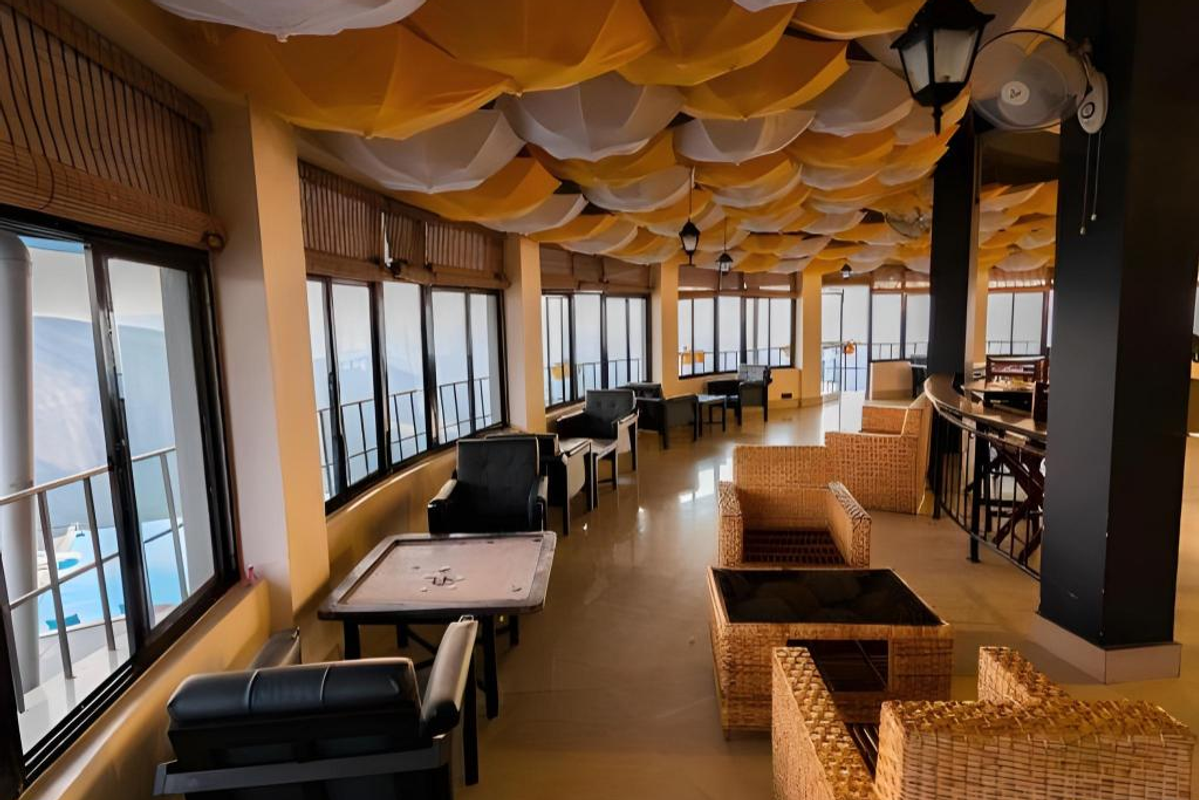
Finding the perfect base near Nohsngithiang Falls (Seven Sisters) is all about timing and perspective. Whether you want to wake up to the mist of the cliffs or prefer a cozy retreat closer to the heart of Sohra for easier commutes, Breeziah has scouted the best of the best.
Below are our top-tier recommendations for your next Meghalaya expedition.
1. Polo Orchid Resort: The Cliffside Sanctuary
If your goal is to have the Seven Sisters Waterfall as your personal backdrop, this is the gold standard. Perched right on the edge of the Nongsithiang gorge, it offers a high-end experience that’s hard to beat in the East Khasi Hills.
- The Standout: Their iconic Infinity Pool, which feels like it’s spilling directly into the valley below.
- Distance: 1.5 km from the falls.
- Vibe: Unapologetic luxury. Best for those who want to watch the monsoon clouds roll in from their private balcony.
2. Jiva Resort: A Masterclass in Hospitality
Jiva is less of a hotel and more of an experience. Known for its impeccable stone-work architecture and manicured gardens, it’s a boutique stay that prioritizes quiet elegance and world-class service.
- The Standout: The Jiva Grill. Even if you aren't staying overnight, their in-house bakery and restaurant are widely considered the best dining spots in all of Cherrapunji.
- Distance: 5.5 km from the falls.
- Vibe: Sophisticated and serene. Ideal for families and travelers who appreciate fine dining and "quiet luxury."
3. Cherrapunji Holiday Resort: The Pioneer’s Choice
Located a bit further out in Laitkynsew, this family-run resort is famous for putting the "Living Root Bridges" on the map. It offers a more authentic, deep-nature experience compared to the central Sohra hotels.
- The Standout: Unmatched local expertise. They provide the most detailed trekking maps and cultural insights for the surrounding Khasi villages.
- Distance: 15 km from the falls (worth the drive for the views).
- Vibe: Adventure-focused and soulful. Perfect for hikers and those looking to disconnect from the tourist crowds.
4. San Nael La Resort: The Cozy Middle Ground
San Nael La strikes a perfect balance between comfort and cost. It’s tucked away from the main road, offering a peaceful atmosphere while remaining incredibly close to major sights like Mawsmai Cave.
- The Standout: Their evening bonfire culture and expansive, airy rooms that are perfect for winding down after a day of trekking.
- Distance: 3 km from the falls.
- Vibe: Warm and welcoming. A great "value-plus" option for groups or couples who want reliability and space.
Pro Travel Tips for Visiting Seven Sisters Falls
To ensure your trip to Seven Sisters Waterfall, Meghalaya, is seamless, our team at Breeziah has compiled these essential "on-the-ground" tips:
- Be Patient with the Mist: Sohra is the rain capital of the world. If the falls are completely hidden by clouds when you arrive, wait 15 to 20 minutes. The wind often clears the mist as quickly as it brought it in.
- Monsoon Road Conditions: While the road from Shillong to Seven Sisters Falls is well-paved, heavy rains can cause small landslides or extreme fog. We recommend hiring a local driver experienced with East Khasi Hills sightseeing routes.
- Stay Hydrated & Carry Cash: Network connectivity can be spotty near the cliffs, making digital payments difficult at local stalls. Always carry enough cash for entry fees at the Eco Park or for buying local Sohra honey.
- Footwear Matters: The limestone rocks near the viewpoints become incredibly slick. Avoid flip-flops; wear sturdy trekking shoes or sandals with high-traction rubber soles.
Helpful Answers
Frequently Asked Questions
To see all seven streams thundering down the cliff, visit during the monsoon (June to September). However, if you want clear skies and lush greenery without the heavy fog blocking your view, October and November are the "golden months" for photography.
No, the main viewpoint is a public roadside area and is completely free. There are small parking spots and local tea stalls nearby where you can grab a Sha Saw (red tea) while you enjoy the view
Absolutely. While Khasi cuisine is famous for its meat dishes, resorts like Jiva and San Nael La are highly rated for their extensive vegetarian menus. Jiva, in particular, is a local landmark for its high-quality veg grills and bakery items.
Final Thoughts
The Seven Sisters Waterfall, Meghalaya, is more than just a quick stop on an itinerary; it is a sensory experience that defines the raw beauty of Northeast India. Whether you are witnessing the "Leap of the Sun" at golden hour or standing in the thunderous monsoon rain, this landmark captures the spirit of the hills like no other.
At Breeziah, we specialize in crafting authentic journeys that take you beyond the typical tourist paths. From the tallest Meghalaya waterfalls to the hidden caves of Mawsmai, we ensure your adventure is safe, comfortable, and truly unforgettable.
Note: All images used in this guide belong to their respective owners. No copyright infringement is intended. We use these visuals to provide the most accurate representation of the destination.
Plan This Journey
Turn this Meghalaya guide into a trip that fits your pace
If this guide is part of the kind of holiday you want, Breeziah can help shape the route, travel flow and stay style around your dates, comfort level and destination priorities.
Related Guides
Continue exploring Meghalaya
A Family Guide to Meghalaya: Is it Safe and Fun for Kids?
Is Meghalaya safe for kids? From crystal rivers to "living" bridges, discover the ultimate 2026 family guide. Plus, should your family stay in Shillong or Cherrapunji?
Meghalaya Honeymoon Guide: Most Romantic Spots in the Clouds (2026 Edition)
Planning a 2026 romantic escape? Discover why Meghalaya is the "New Maldives" for honeymooners. From the misty cliffs of Laitlum Canyons to private boat rides in Dawki and luxury cliffside resorts in Cherrapunji, this comprehensive guide covers the most romantic spots, intimate "Slow Luxury" experiences, and the perfect 7-day itinerary for newlyweds.
5 Beautiful Homestays in Meghalaya for an Authentic Local Experience (2026 Guide)
Explore 5 hidden homestay in meghalaya that offer more than just a bed-experience true khasi hospitality and local adventures.