
Garden of Caves Meghalaya: Entry Fee, Timings, Location & Travel Tips (2026)
Published
Reading time
7 min read
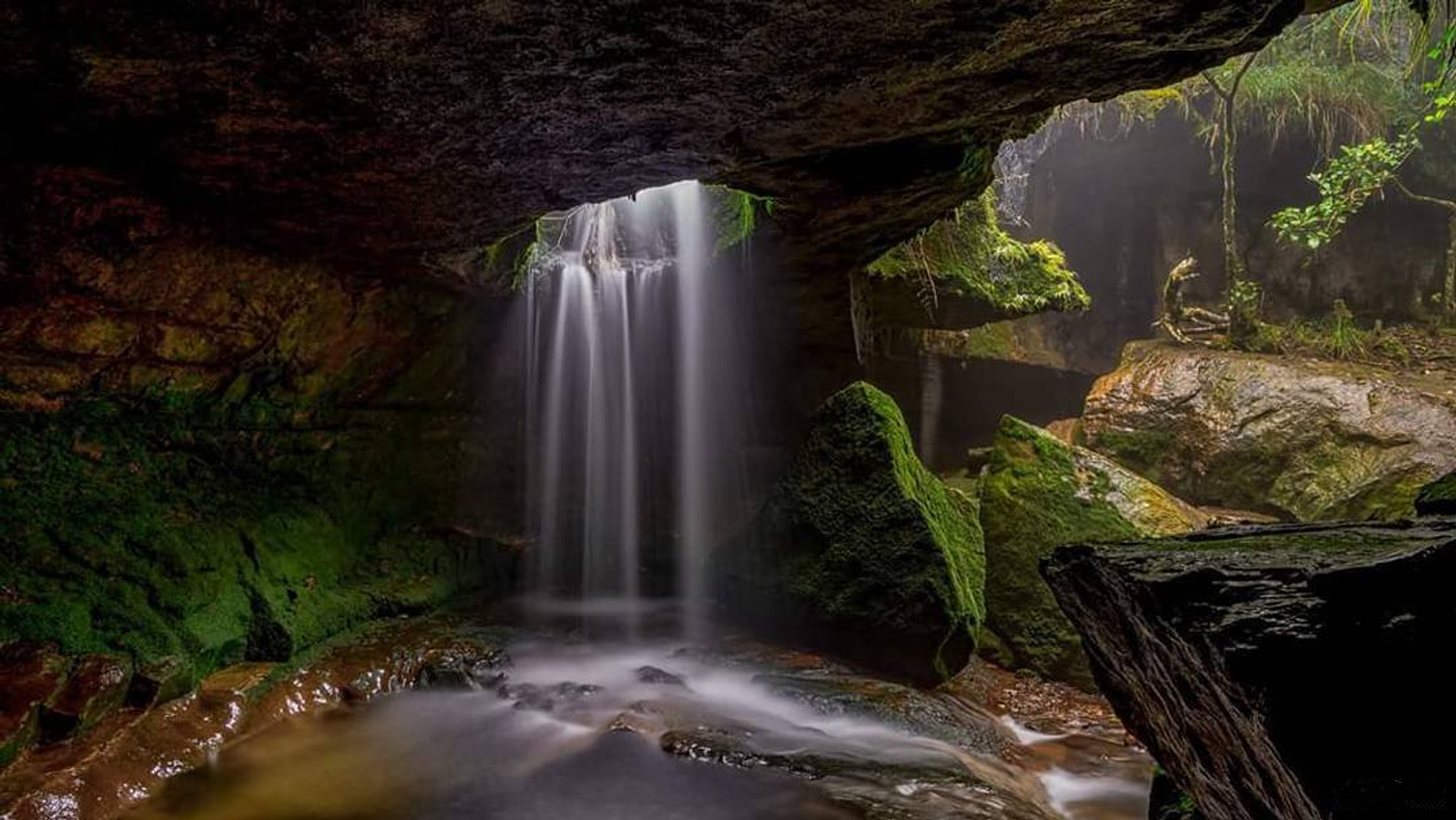
Deep in the heart of the East Khasi Hills lies a 2.5-hectare geological wonderland known as the Garden of Caves Meghalaya, an offbeat attraction for nature lovers and adventure seekers. Locally called Ka Bri Ki Synrang, this isn't just a park; it's a natural labyrinth of caves and waterfalls. Formed over millions of years by the persistent flow of water through limestone and sandstone, these caves served as a sacred refuge for the Khasi tribes during the colonial era.
Today, it stands as a testament to the "Abode of Clouds," offering travelers a chance to see 11 distinct natural wonders in a single loop. At Breeziah, we recommend this as a primary stop for anyone looking to experience the raw beauty of the state without the strenuous hiking required for deeper valleys.
Garden of Caves Meghalaya Location & How to Reach
The Garden of Caves is located in Laitmawsiang village, situated between the capital and Sohra. It is far enough from the main road to feel like a secret, but close enough for a comfortable day trip.
- Distance from Shillong: It is approximately 55 km from Shillong. A private taxi is the most reliable way to navigate the winding, scenic roads of the Shillong plateau.
- How to reach Garden of Caves, Meghalaya: From the Shillong-Sohra highway, take the diversion at Laitryngew toward Laitmawsiang. The drive is roughly 2 hours from the city.
- From Cherrapunji: It is only a 25 km drive from the main town, making it an easy addition to any 5-day magical tour.
Also Read: Things to Do in Cherrapunji
Top 11 Attractions Inside the Garden of Caves, Meghalaya
What makes this destination unique is the sequential discovery of eleven distinct points. Here is the full breakdown of what you will see:
1. Ka Synrang Syiem (The King’s Cave)
The journey begins at the King's Cave. Historically, this was a strategic hiding spot for Khasi kings. Inside, you can see the Palong Syiem (King's Bed)—a natural rock formation used as a resting place.
2. Sum Syiem Falls
Directly connected to the legend of the King’s Cave, this "King’s Shower" is a stunning waterfall where the chief used to bathe. The water drops through a naturally carved opening in the stone.
3. Ki Stieh Maw (The Warrior Shields)
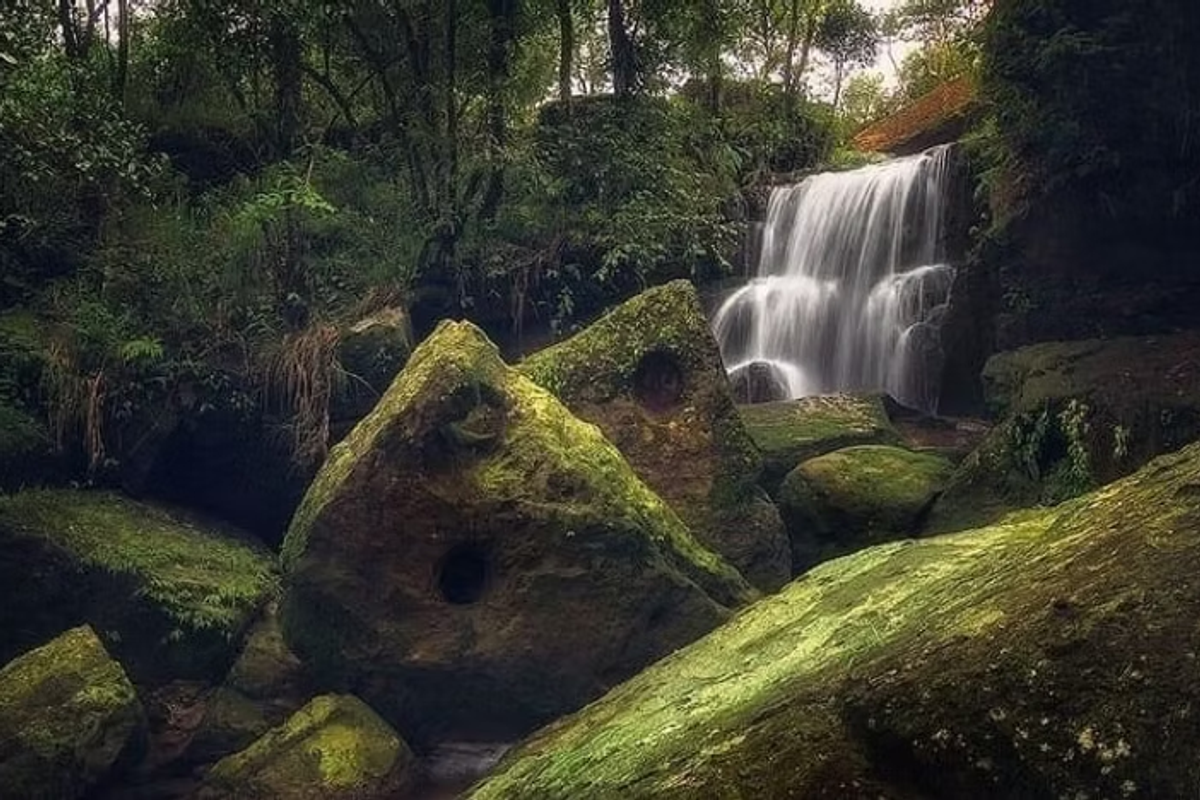
These are upright stone slabs that naturally resemble the traditional wooden shields used by Khasi warriors in ancient battles. It’s a powerful intersection of geology and tribal history.
4. Riat Umlwai Falls
The tallest waterfall in the park, its name is derived from the "Lwai" honey bees that once nested in the cliffs here. The "Um" refers to the sweet honey produced by these bees.
5. Um Dawai (The Medicine Spring)
After crossing a rustic bamboo bridge, you find this perennial spring. The water is filtered through deep layers of limestone and is believed by the Laitmawsiang villagers to have medicinal properties.
6. U Mawdohnud (The Heart-Shaped Rock)
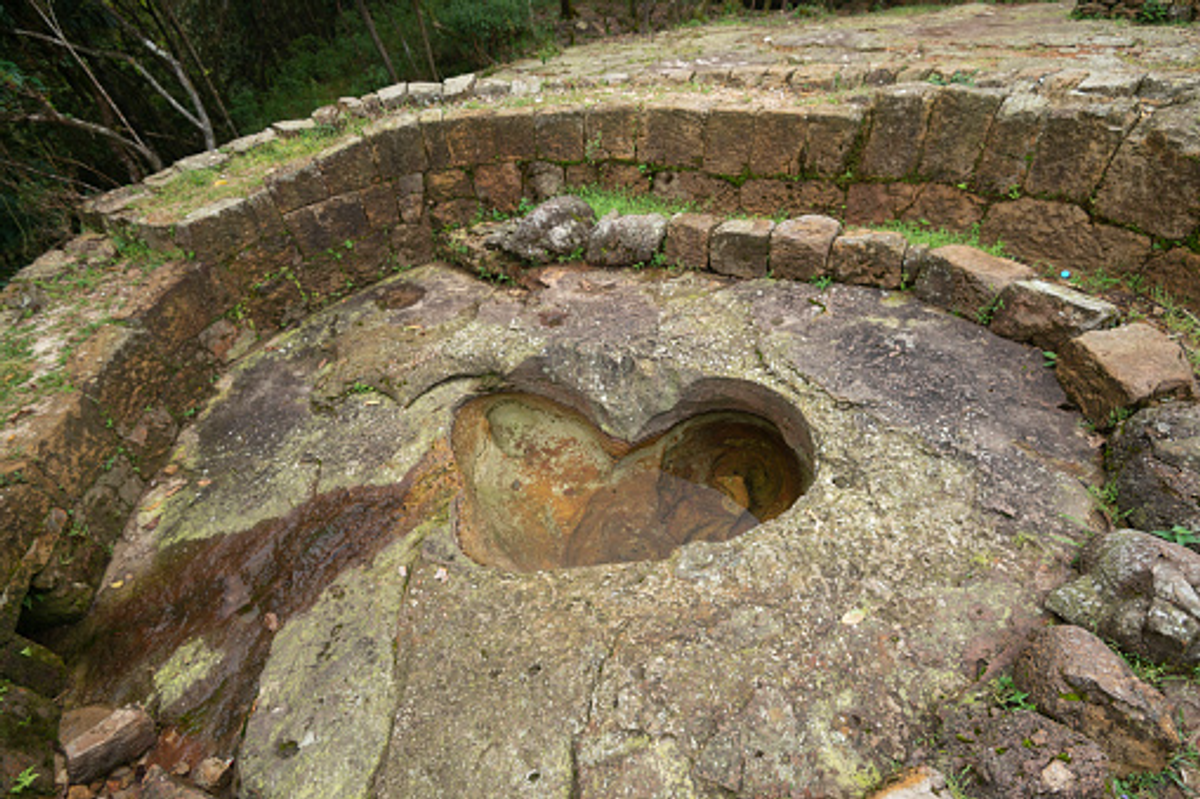
Located at the park's center, this is a heart-shaped puddle carved into the solid bedrock by centuries of water erosion. It is arguably the most photographed spot in the entire garden.
7. U Mawkhyllung (The Baby in the Rock)
A delicate formation tucked into a rocky crevice that strikingly resembles a baby-like natural rock formation. Locals revere this as a symbol of Mother Earth’s fertility.
8. Arsdad Falls
Located at the southern end, this is where two streams—the Dam Um and Um Lwai—converge. You can actually walk behind the curtain of water for a unique perspective.
9. Synrang Khliehshun
A cave characterized by mineral formations resembling stalactites and stalagmites. It feels like a "frozen in time" cathedral made of shimmering minerals.
10. Ka Krem Ba Dang Thymmai
Discovered only in 2019, this is a rare sandstone and clay cave that plunges 78 meters deep. It remained hidden for centuries until heavy rains washed away the sediment blocking its entrance.
11. Kshaid Thied Dieng (Root Waterfall)
A mesmerizing sight where a stream flows directly through a complex network of tree roots, mimicking the engineering of the famous root bridges.
Garden of Caves Meghalaya Entry Fee & Timings 2026
Since the park is community-managed, the fees directly support the local village.
- Entry Fee: ₹100 per person.
- Parking: ₹20 for small cars; ₹50 for travelers with larger SUVs.
- Timings: Open daily from 8:30 AM to 5:30 PM. On Sundays, it often stays open until 6:00 PM to accommodate weekend travelers.
Note: They only accept cash.
Best Time to Visit the Garden of Caves, Meghalaya
- Monsoon (June – August): The waterfalls are at their peak roar. However, the paths can be slippery, and the water might appear muddy.
- Post-Monsoon (September – October): The best time to visit the Garden of Caves. The water turns crystal clear, and the greenery is at its most vibrant.
- Winter (November – February): Ideal for those who want to explore the caves and treks comfortably without the rain.
Also Read: Best Time to Visit Meghalaya
Is the Garden of Caves in Meghalaya Worth Visiting?
For anyone who loves offbeat photography and quiet nature walks, the answer is a resounding yes. It offers a high reward-to-effort ratio. Unlike other waterfalls, you don't have to hike down 3,000 steps to experience the natural beauty; it's all laid out in a gentle 2-hour walk.
Garden of Caves Meghalaya Travel Tips 2026
To make the most of your 2026 visit to the Garden of Caves Meghalaya, keep these tips in mind:
- Footwear: Wear shoes with a strong grip; moss-covered rocks near the Heart-Shaped Rock and Arsdad Falls can be slippery.
- Cash Only: Carry enough cash for entry fees, parking, and local snacks, as UPI and card payments often fail due to weak network coverage.
- Timing: Arrive by 9:00 AM to beat the afternoon rush from Sohra.
- Hydration: While the Medicine Spring is drinkable for locals, travelers should carry their own filtered water.
- Photography: Early morning light is best for capturing waterfalls and sunbeams filtering through the caves.
- Family-Friendly: The trail is safe for children and elders, but supervise kids near water edges and slippery rocks.
Helpful Answers
Frequently Asked Questions
You should budget between 1.5 to 2.5 hours to see all 11 spots at a leisurely pace. If you are a photographer, you may want to stay longer.
Strictly speaking, no. It is a nature walk involving paved stone paths and bamboo bridges. There is some climbing of stairs, so it may not be suitable for those with severe mobility issues.
Yes! The Garden of Caves Meghalaya is an excellent spot for family picnics. The park’s gentle 2-hour loop trail with around 400 steps makes it accessible for children, elders, and everyone in between. There are plenty of scenic spots, including moss-covered rocks, waterfalls, and open areas, perfect for resting, snacking, or taking family photos. Natural shade from caves and overhanging rocks keeps the area comfortable during breaks.
Tips for a family picnic:
- Bring a small picnic mat and packed snacks.
- Wear shoes with good grip to navigate slippery stones near waterfalls.
- Avoid peak monsoon months (June–July) for safety.
- Best months: August to November, when waterfalls are at their fullest and the greenery is vibrant.
Plan your Meghalaya trip with Breeziah
At Breeziah, we believe that travel should be more than just visiting "top spots"—it should be about connecting with the land. Our Meghalaya tour packages are designed to include these hidden gems, like Laitmawsiang, to ensure you get an authentic, crowd-free experience.
Note: All images used in this guide belong to their respective owners. No copyright infringement is intended. We use these visuals to provide the most accurate representation of the destination.
Plan This Journey
Turn this Cherrapunji guide into a trip that fits your pace
If this guide is part of the kind of holiday you want, Breeziah can help shape the route, travel flow and stay style around your dates, comfort level and destination priorities.
Related Guides
Continue exploring Cherrapunji
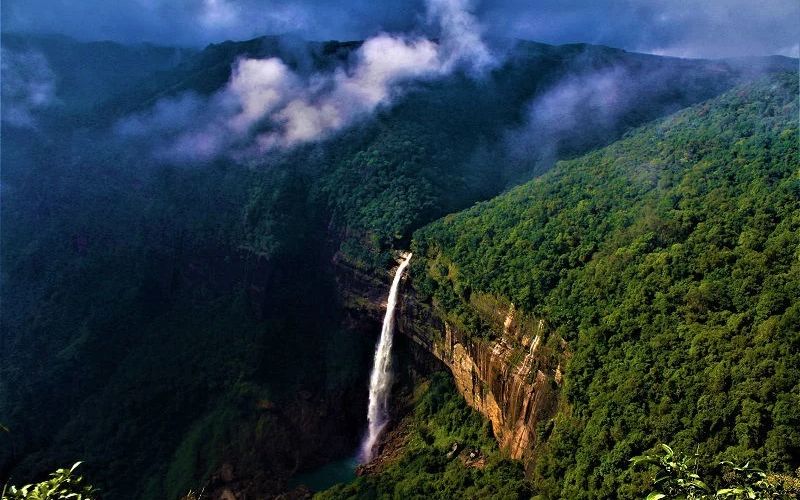
Things to Do in Cherrapunji: 11 Experiences You Can't Miss
Discover the best things to do in Cherrapunji — Nohkalikai Falls, Double Decker Living Root Bridge, Mawsmai Cave, Seven Sisters Falls and more in Meghalaya.

Guwahati to Cherrapunji Distance: Full Road Trip Guide
Planning a drive from Guwahati to Cherrapunji? Get the exact road distance, actual drive times, current toll info, and the best scenic stops on the highway.
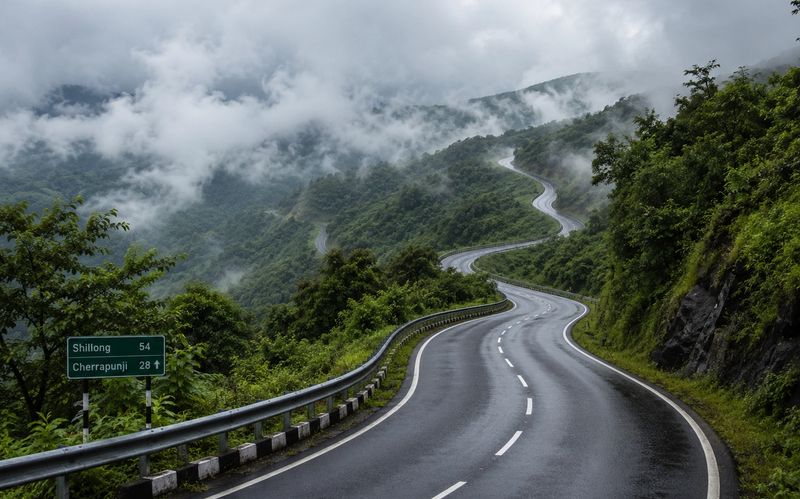
Shillong to Cherrapunji Distance: Drive Time, Route & What to See
Moving from the busy pine groves of Shillong into the mist-covered limestone valleys of Sohra, the drive along State Highway 5 is the ultimate Meghalaya road trip. Discover the exact distance, real driving times, traffic tips, and the top roadside viewpoints to add to your itinerary.