
Wari Chora vs. Dawki: Which Water Adventure in Meghalaya is Right For You?
Published
Reading time
5 min read
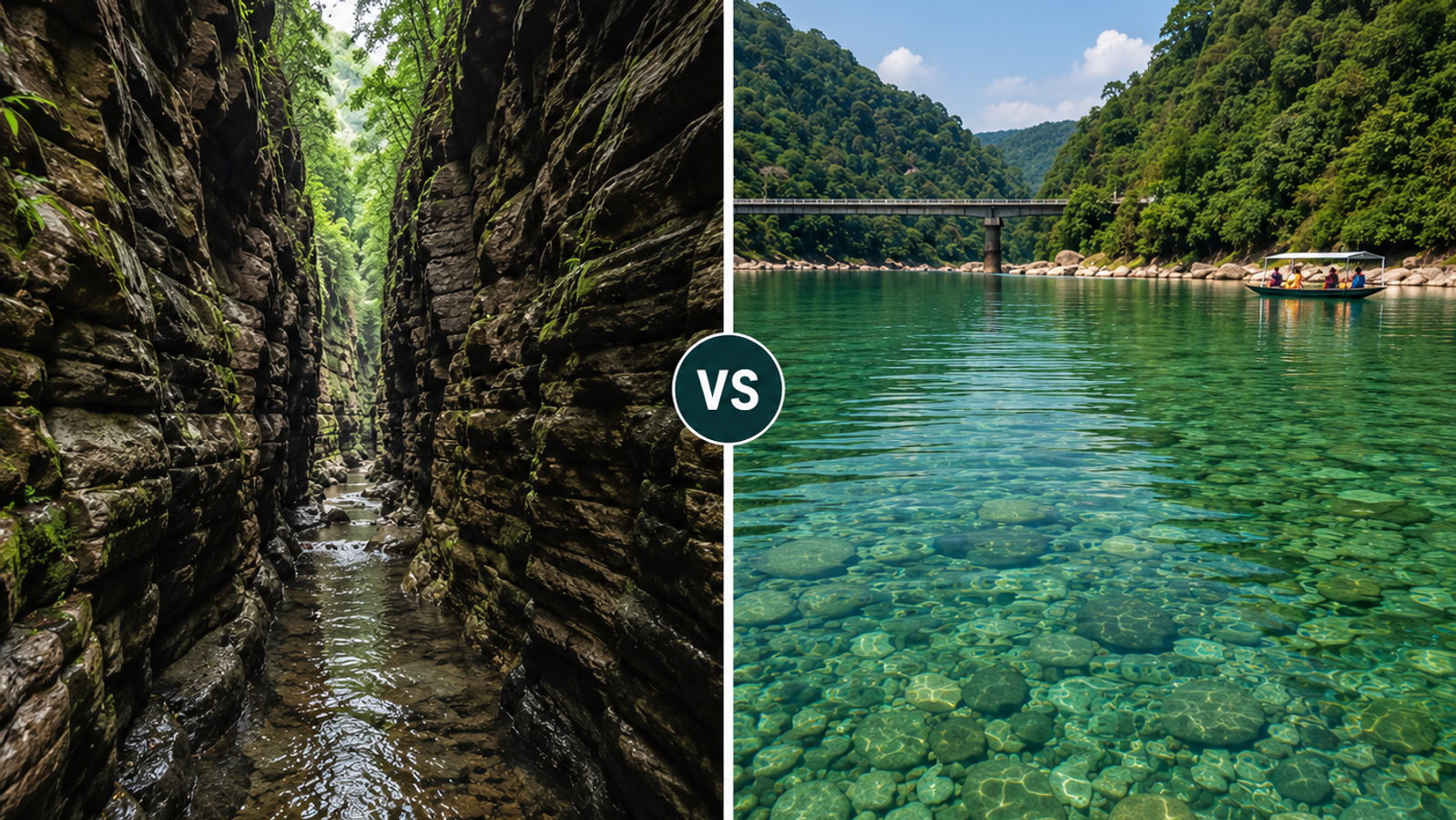
Quick Summary: The 2026 Aquatic Decision Matrix
- The Core Debate: Choosing between the raw, isolated slot canyon of Wari Chora and the iconic, glass-clear border river of Dawki (Shnongpdeng).
- Wari Chora is best for: High-intensity explorers seeking an unfiltered, prehistoric gorge experience away from crowds. It requires 4x4 transit and dynamic river trekking.
- Dawki is best for: Travelers prioritizing pure, high-visibility crystalline water, accessible water sports (cliff jumping, kayaking), and premium riverside glamping.
- The 2026 Trend: A shift toward "Acoustic and Visual Isolation Travel," where the pacing and crowd-density of an aquatic landscape dictate its luxury value.
- Strategic Verdict: Wari Chora is an uncompromising remote expedition; Dawki is an accessible, high-visibility visual playground.
1. The Battle of the Waters: Introduction
Meghalaya has firmly established itself as India’s premium destination for river and canyon exploration. However, as travel preferences evolve, a definitive rift has emerged between two legendary water landscapes: Wari Chora and Dawki.
For the modern traveler, choosing between these two is not a matter of picking "which is better." Instead, it is about matching your personal tolerance for rugged logistics with your aesthetic goals. At BREEZIAH, we view these destinations not merely as spots on a map, but as distinct sensory experiences—one offering the deep, quiet isolation of an ancient limestone rift, and the other providing a high-visibility, light-filled showcase of pure water.
2. Anatomy of Wari Chora: The Prehistoric Slot Canyon
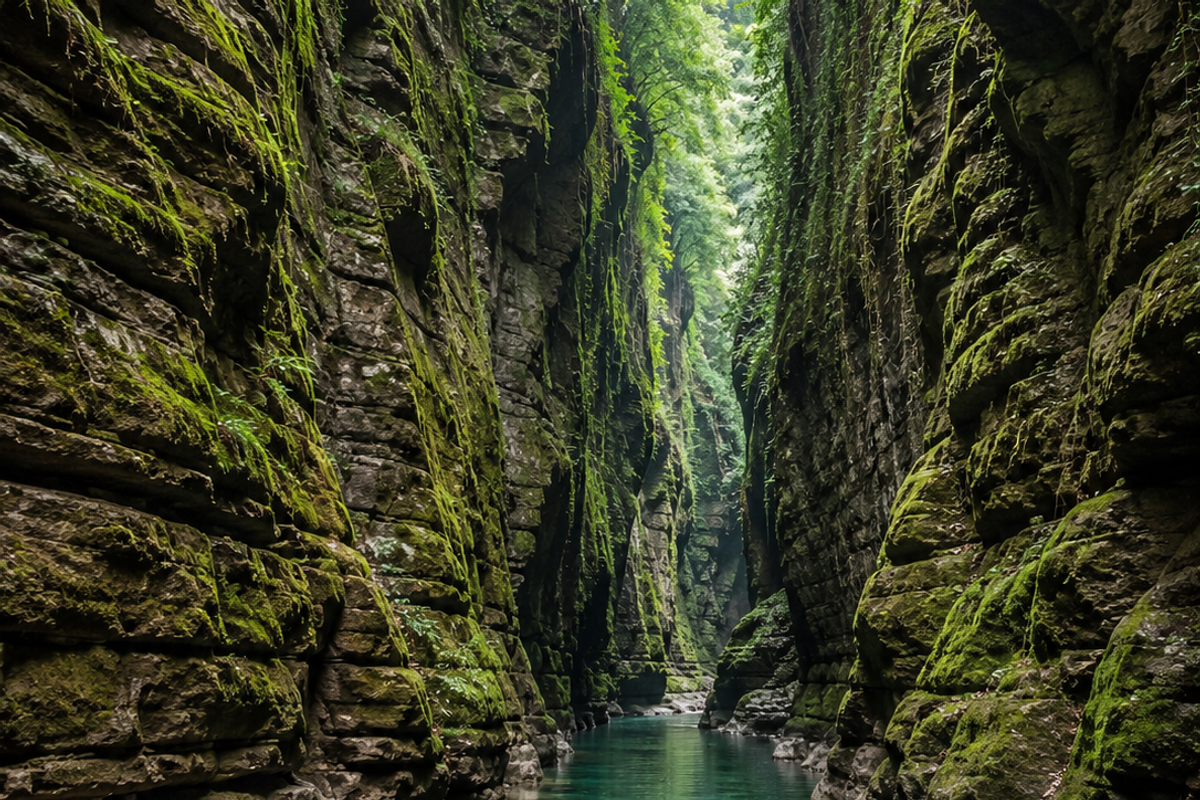
Tucked deep inside the southern fold of the South Garo Hills, Wari Chora is a slot canyon carved out over millennia by the Rongdik River.
The Visual and Acoustic Experience
Entering Wari Chora feels like stepping backward into a prehistoric era. The canyon is defined by sheer limestone walls rising over 100 feet on either side, narrowing so closely in some stretches that the sky is reduced to a thin ribbon of light. The acoustic environment is completely isolated; the dense jungle canopy above muffles outside noises, leaving only the sound of water dripping off ancient ferns and the steady splash of your paddle.
The Operational Flow
A visit to Wari Chora is a true expedition. There are no paved highways leading to the water's edge. Travelers must navigate rough dirt roads in a 4x4 vehicle to reach the remote village of Emangre. From there, a steep jungle trek leads down to the riverbed, where you transition onto local bamboo rafts or small canoes to navigate the deep gorge.
- Internal Link: For a complete, step-by-step breakdown of this specific southern route, read our master guide: How to Visit Wari Chora: The Ultimate Guide to Meghalaya’s Hidden Canyon.
3. Anatomy of Dawki: The Crystal Veil of the Umngot
In contrast to the hidden rifts of the Garo Hills, Dawki sits on the border of the West Jaintia Hills, acting as a wide, light-filled gateway where the Umngot River pours into the plains.
The Visual and Acoustic Experience
Dawki—and specifically the upstream village of Shnongpdeng—is world-famous for its unbelievable water clarity. During the peak winter months, the Umngot River is completely free of sediment. The sunlight hits the water vertically, creating a visual illusion where traditional wooden canoes appear to float in mid-air, casting crisp shadows directly onto the smooth stones of the riverbed below. The atmosphere here is bright, open, and filled with the energy of active river sports.
The Operational Flow
Dawki is highly accessible via well-paved state highways from Shillong. There are no strenuous jungle descents required to reach the water. You can drive right up to the riverside beaches of Shnongpdeng, making it a smooth, stress-free addition to any trip.
- Internal Link: For an ideas of things to do along the Umngot riverfront, check out our standalone resource: Best Things to Do in Dawki.
4. Head-to-Head Comparison: Logistics, Terrain, and Pacing
To help determine which water system aligns with your travel goals, let's look at the operational differences:
| Feature | Wari Chora Expedition | Dawki (Shnongpdeng) Circuit |
|---|---|---|
| Geographic Location | South Garo Hills (Deep Remote) | West Jaintia/East Khasi Border (Accessible) |
| Primary Water Feature | Narrow Limestone Slot Canyon | Open, Crystalline Alpine River |
| Transit Requirement | Dedicated 4x4 Vehicle Only | Paved State Highways |
| Physical Effort | High (Jungle trekking & scramble) | Low to Moderate (Direct beach access) |
| Crowd Density | Extremely Low (Isolated) | Moderate to High (Popular attraction) |
| Core Activities | Bamboo Rafting & Canyon Exploration | Boat Rides, Cliff Jumping, Scuba, Kayaking |
| Stay Comfort | Basic Village Homestays | Riverside Glamping & Premium Eco-Lodges |
5. Seasonality: Crystalline Windows vs. Monsoon Closures
Both water systems are heavily affected by weather cycles, but their seasonal windows differ significantly.
The Winter Peak (November to February)
This is the optimal time for both locations.
- At Dawki, the absence of rain allows the river to settle into its famous glass-like state.
- At Wari Chora, water levels drop to a safe, steady flow, and the river clears up to reveal its deep turquoise tones.
The Monsoon Shutdown (May to October)
- Wari Chora goes into complete lockdown. Slot canyons act as natural funnels. Heavy rains instantly transform the narrow gorge into a violent torrent trapped between rock walls, making entry deadly.
- Dawki stays open but shifts in identity. While the river loses its clear transparency due to mud runoff from the hills, it gains immense volume. Shnongpdeng transforms into a dramatic destination for viewing powerful monsoon river currents.
- Internal Link: If you are planning a trip during the wetter months, explore our comprehensive Monsoon Travel Guide to Cherrapunji to learn how to adapt your plans.
6. The Gear Architecture: Preparing for Two Different Worlds
Because these environments feature different types of terrain, your packing choices must provide a Solid Foundation for safety and comfort.
- For Wari Chora: You need amphibious, high-traction footwear with deep rubber lugs to navigate slippery limestone rocks and muddy jungle trails. A 30L roll-top waterproof dry bag is mandatory to protect your camera gear from canyon drips and river spray.
- For Dawki: Lightweight water shoes or strapped sports sandals are fine for walking on the smooth river stones. Standard sun protection (UV shirts and polarized sunglasses) is highly recommended due to the bright glare off the open river surface.
- Internal Link: Print out our complete, itemized packing checklist before your trip: The Ultimate Meghalaya Packing List for Monsoon and Winter.
7. Cultural Guardrails: Garo Beliefs vs. Khasi Systems
Travel in Meghalaya is deeply intertwined with local tribal guardianship. Understanding who protects these waters shapes how you experience them.
The Garo Sanctuary of Wari Chora
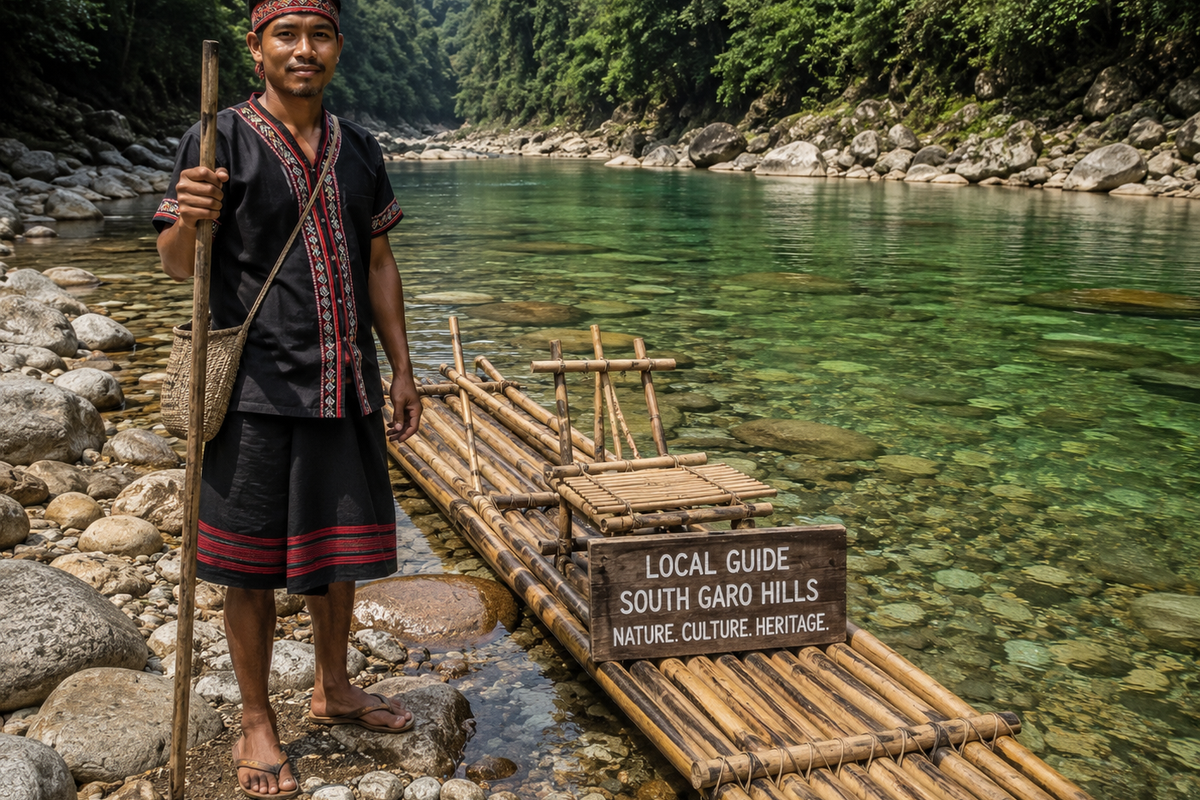
Wari Chora is located within the ancestral lands of the indigenous Achik (Garo) clans of Emangre. The canyon is spiritually protected, ang the guardian river spirits. Tourism here is run entirely by a community collective. Your guide fees directly support the village economy, making it a perfect model for community-based travel.
The Khasi Systems of Dawki
Dawki and Shnongpdeng operate under the traditional systems of the Khasi and Jaintia village councils. The village cooperative manages camping plots, sets standardized pricing for boating, and handles safety enforcement. It is an efficient, highly organized system optimized for handling larger groups of travelers.
- Internal Link: Read more about these indigenous structures in our guide to Local Khasi Culture and Festivals.
8. Physical Demands: Assessing Your Group’s Capabilities
Be honest about your fitness levels before choosing your destination. Misjudging the terrain is one of the most common mistakes independent travelers make.
- Wari Chora is physically demanding. The trek down is steep and rough. Scrambling over wet boulders and spending hours on basic bamboo rafts requires good core stability and joint flexibility. It is not recommended for toddlers or seniors with mobility challenges.
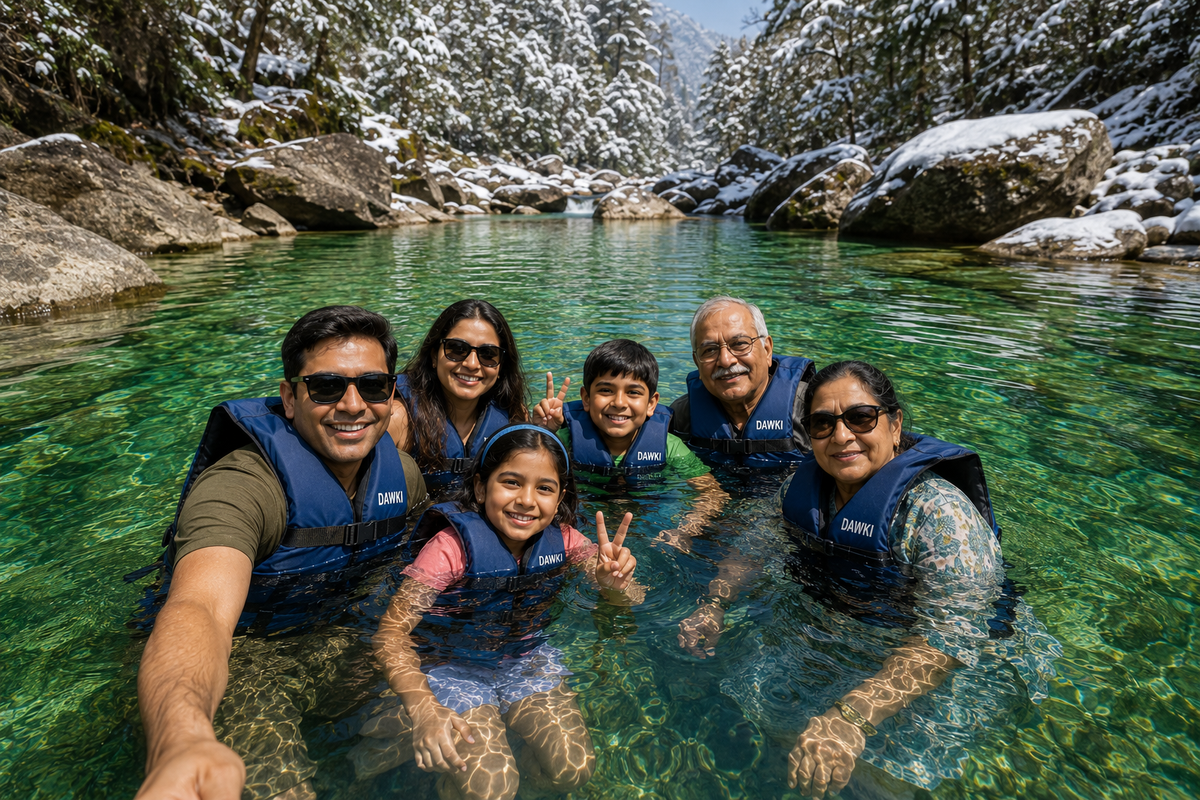
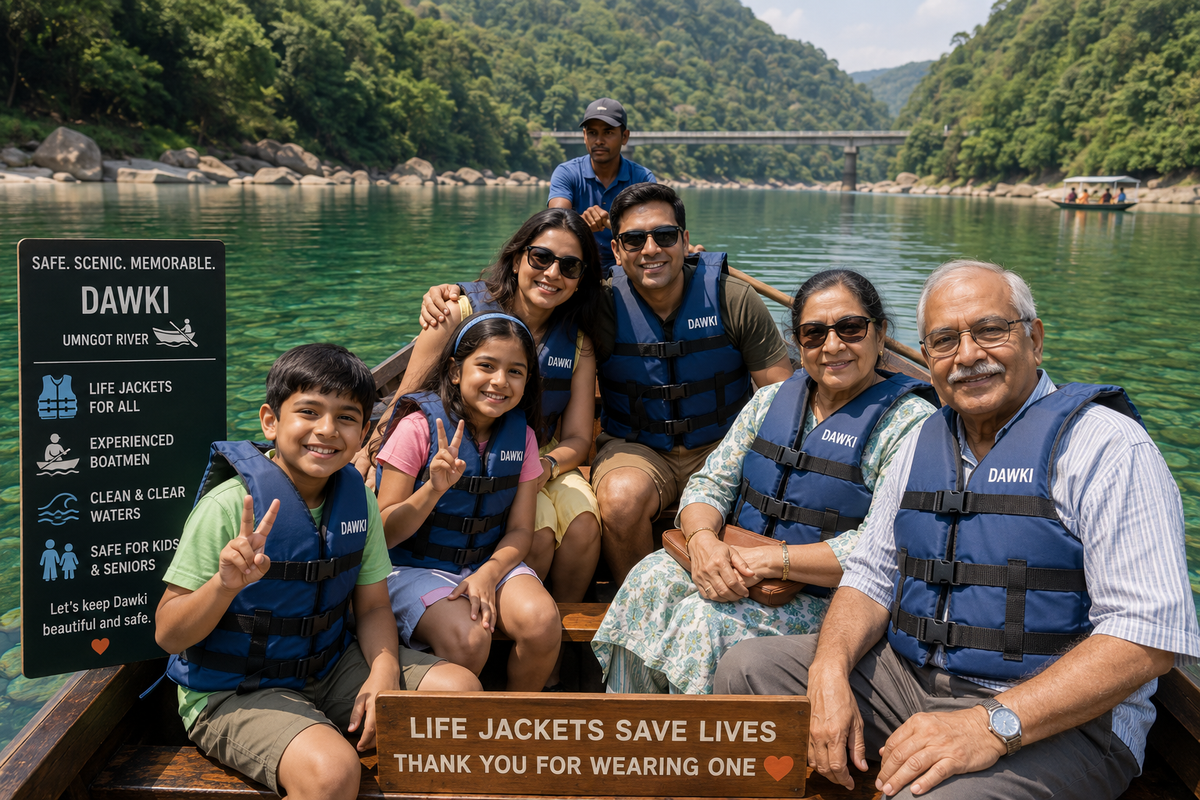
- Dawki is accessible and highly adaptable. Because vehicles can drive right down to the riverside beach at Shnongpdeng, it is an ideal location for all ages. Young kids and seniors can safely enjoy a smooth boat ride on the clear river while wearing high-flotation life jackets.
- Internal Link: Travelling with family? Read our dedicated Multi-Generational Travel Guide for Kids and Seniors to see how we design safe, comfortable routes across the hills.
9. Strategic Booking: Integrating with BREEZIAH Circuits
You do not necessarily have to choose between them if you plan your itinerary correctly.
- The Connected Route: A comprehensive 8-day itinerary can anchor both destinations by moving from the East Khasi Hills down into the Jaintia borderlands, before crossing westward into the South Garo Hills via private 4x4 transit.
- Internal Link: Review our fully managed expedition route: 8D7N Meghalaya Explorer with Wari Chora Canyon Tour.
- Internal Link: If you want a tailored flow built around your personal timeline,
- use our Plan My Trip portal to design an itinerary with our travel strategists.
10. Frequently Asked Questions (FAQ)
Helpful Answers
Frequently Asked Questions
A: No. They are located in entirely different districts with a mountain ridge between them. Driving from Dawki to the Wari Chora gateway takes approximately 7 to 8 hours over winding roads, requiring at least 3 separate travel days to experience both safely.
A: No. The local Emangre village collective requires all visitors to wear high-flotation life jackets at all times while inside the canyon. You will be guided on rafts and canoes by expert local boatmen.
- Avoid common travel blunders by reading our guide on Travel Mistakes to Avoid in Meghalaya.
A: No. Wari Chora is located in a protected community zone. Accommodations near the canyon are limited to simple, authentic village homestays. For premium hotel stays, your closest option is to establish a base camp in Tura or Baghmara.
- Read our specific accommodation guide: Wari Chora Meghalaya Travel Guide.
Ready to choose your aquatic playground?
Whether you choose the quiet, hidden corridors of Wari Chora or the bright, crystalline waters of Dawki, BREEZIAH provides the logistical support you need. We handle private 4x4 transit, community-vetted guides, and boutique bases so you can fully lose yourself in the magic of the wild.
Explore Our Tour Packages | Customize Your Itinerary | Read Our Guest Reviews
Plan This Journey
Turn this Meghalaya guide into a trip that fits your pace
If this guide is part of the kind of holiday you want, Breeziah can help shape the route, travel flow and stay style around your dates, comfort level and destination priorities.
Related Guides
Continue exploring Meghalaya
The Ultimate 7-Day Meghalaya Itinerary: Caves, Waterfalls, and Crystal Rivers
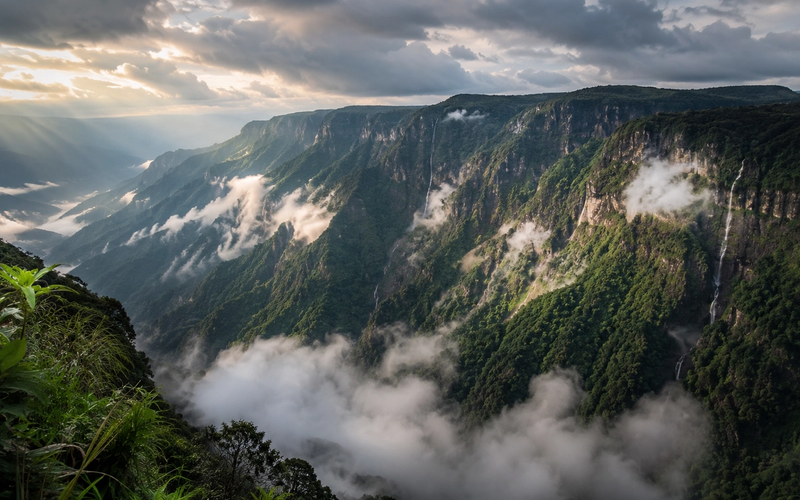
A masterfully paced, high-authority blueprint across the Khasi and Jaintia Hills engineered to bypass basic tourist traps and maximize atmospheric adventure. This definitive 7-day route maps out a linear, stress-free flow across the plateau—transitioning seamlessly from high-altitude ridge walks to hidden subterranean systems. Whether you are navigating the sheer drops of Laitlum Canyons, exploring the prehistoric marine fossils inside Arwah Cave, or drifting on the glass-like waters of the Umngot River in Shnongpdeng, discover a solid foundation for your next expedition. We break down the premium 4x4 transit logistics you need, tactical gear checklists, and community-first eco-tourism practices that define a true luxury journey into the land of the clouds.
How to Visit Wari Chora: The Ultimate Guide to Meghalaya’s Hidden Canyon
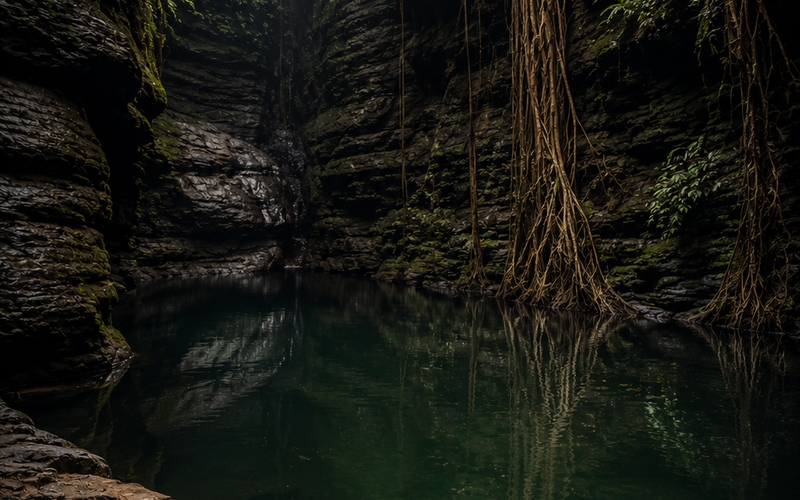
Deep within the South Garo Hills lies a geographical masterpiece that time—and mass tourism—forgot. Wari Chora is more than just a canyon; it is a cinematic journey through towering limestone walls and crystalline turquoise waters. But reaching this "Atmospheric Adventure" requires more than a map; it requires a "Solid Foundation" of logistical expertise and cultural respect. From navigating the rugged southern veins in a premium 4x4 to understanding the spiritual blueprints of the Achik clans, our ultimate guide provides everything you need to experience the "Organic Luxury" of Meghalaya’s most guarded secret. Step beyond the edge of the map and discover the silent majesty of the gorge.
Curated Multi-Generational Travel: How to Plan a Northeast Trip for Kids, Parents, and Grandparents
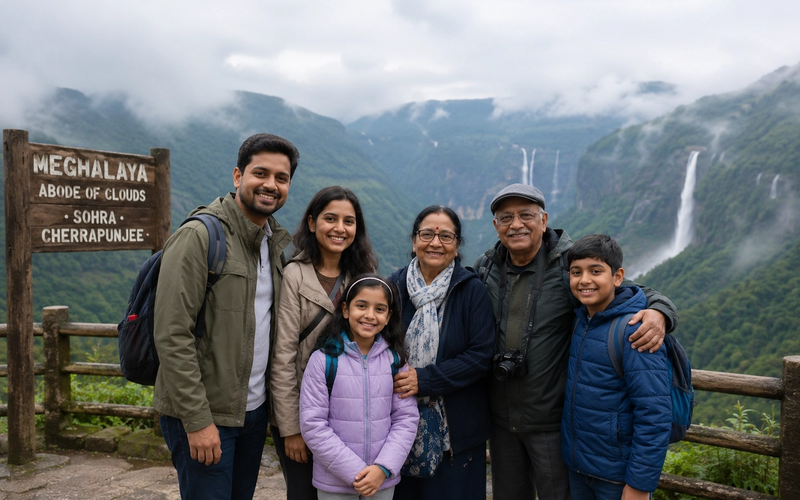
How do you bridge the gap between a child’s boundless energy and a grandparent’s need for comfort in the rugged terrain of the Northeast? In 2026, the answer lies in "Slow-Flow" travel. At BREEZIAH, we move beyond generic itineraries to create a "Solid Foundation" for your family’s most meaningful journey yet. From the accessible wildlife wonders of Kaziranga to the urban comfort of Shillong and the "Grandparent-Safe" root bridges of Mawlynnong, this guide provides the expert logistics and cinematic inspiration you need. Discover how to harmonize different energies, navigate altitude with ease, and curate a multi-generational adventure that ensures every family member finds their own "Cinematic Stillness" in the hills.