Exploring the Old Silk Route in Sikkim: A Historic Journey
Published
Reading time
5 min read
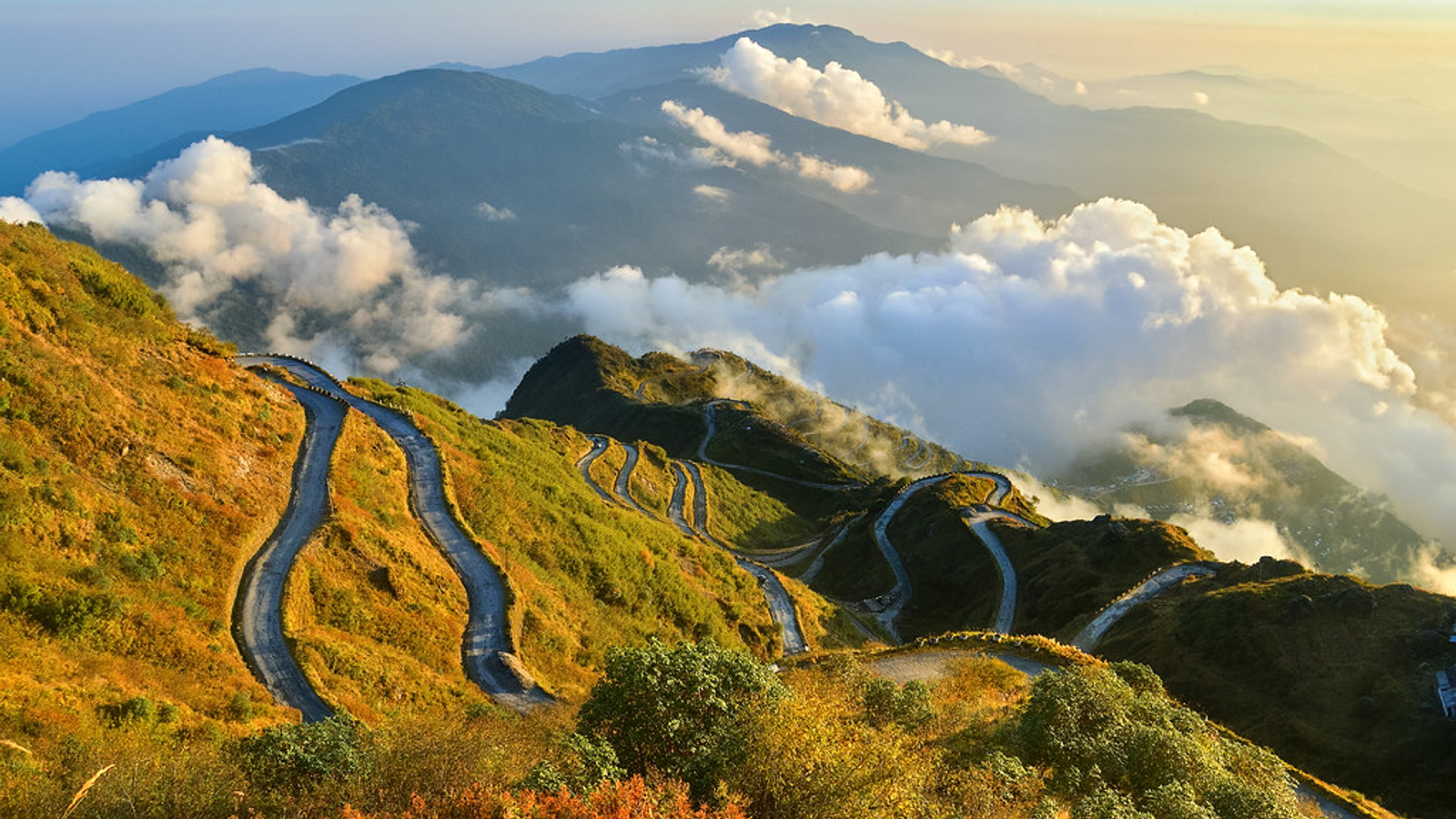
Quick Summary: The Silk Route Experience
- The Route: A high-altitude circuit in East Sikkim that was once part of the ancient trade link between Lhasa (Tibet) and Kalimpong (India).
- Top Highlights: Zuluk’s Zig-Zag roads, Thambi Viewpoint, Kupup Lake (Elephant Lake), and the Baba Mandir.
- Best Time: April to June (for rhododendrons) and October to December (for crystal clear Himalayan views and snow).
- 2026 Trend: "Heritage Slow-Travel"—Modern explorers are opting for longer stays in traditional homestays to connect with the local community and history.
- Permit Info: Strictly requires a Protected Area Permit (PAP). Only Indian tourists are allowed to visit certain border-sensitive zones like Nathang and Kupup.
1. The Legacy of the Silk Road: A Brief History
The Old Silk Route in Sikkim is a branch of the ancient trade network that once spanned continents. For centuries, traders carried silk, wool, and spices across the Nathu La Pass and Jelep La Pass, connecting the markets of India to the plateau of Tibet.
Today, this route is no longer a path for commerce, but a journey into "Cinematic Stillness." It offers a look at a landscape frozen in time, where the "Solid Foundations" of old stone structures and mountain passes still tell the stories of the caravans that once braved these heights.
2. Mapping the Journey: The East Sikkim Circuit
Unlike the rugged trails of North Sikkim, the Old Silk Route is located in the East. Most travelers start their journey from Gangtok or Aritar and climb through a series of dramatic hairpins toward the Tibetan border.
The Standard Route:
- Aritar/Rongli: The entry points where permits are verified.
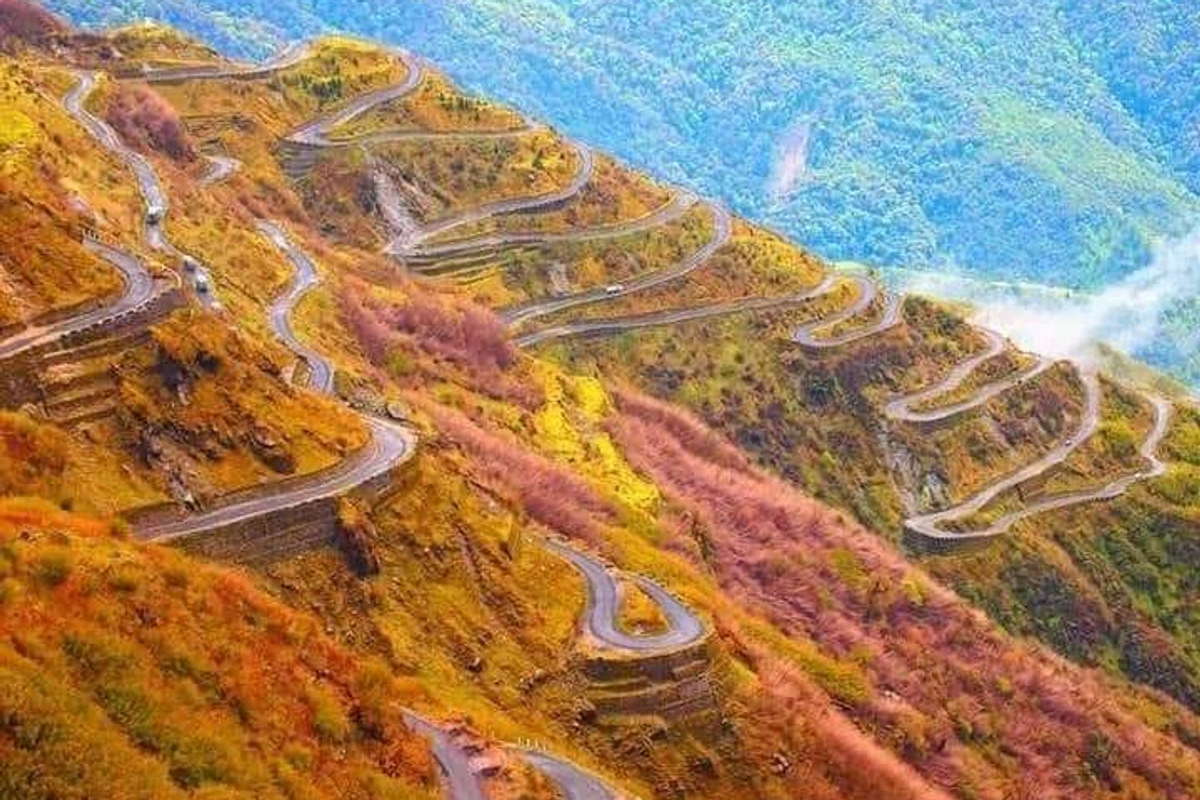
- Zuluk (9,400 ft): The most famous village on the circuit, known for its hairpin bends.
- Nathang Valley (13,500 ft): Often called the "Ladakh of East Sikkim" due to its barren, high-altitude beauty.
- Kupup: The highest point of the circuit, featuring the high-altitude Elephant Lake.
3. Top Stops Along the Old Silk Route
Zuluk & The Zig-Zag Roads
The Zuluk loops are a marvel of mountain engineering. With 32 hairpin turns, the road climbs steeply, offering a view that is the definition of a "Refined Explorer’s" dream.
- Internal Link: Compare this road trip to the Guwahati to Tawang road trip guide.
Thambi Viewpoint
Located just above Zuluk, this is the best place to witness the sunrise over the Kanchenjunga range. The "Cinematic Stillness" here at dawn is unparalleled.
Kupup Lake (Elephant Lake)
Shaped remarkably like an elephant, this sacred lake remains frozen for a large part of the year.
- 2026 Trend: "High-Altitude Photography"—Kupup has become a prime spot for professional landscape photographers seeking the "Matte Premium" look of frozen alpine waters.
Baba Mandir (Old & New)
A shrine dedicated to Harbhajan Singh, a soldier of the Indian Army. It is a place of deep spiritual significance and a "Solid Foundation" of local military folklore.
- Internal Link: Read our Nathu La Pass Permit Guide for details on nearby border attractions.
4. Logistics & Permits: Planning Your 2026 Expedition
The Silk Route is a restricted area due to its proximity to the international border.
- Permit Requirements: You must obtain a Protected Area Permit (PAP) from the Rongli checkpost or through a registered agency like BREEZIAH.
- Documentation: Carry at least 4 passport-size photos and original ID proofs (Aadhaar/Voter ID).
- Access: As of 2026, foreign nationals are generally not permitted to travel beyond certain points on the Silk Route circuit (like Nathang and Kupup).
- Internal Link: Learn more about the logistics of reaching Sikkim.
5. Weather & Seasonal Nuances
Because of the high altitude, the weather on the Silk Route is erratic.
- Spring (April - June): Rhododendrons and primulas cover the hills. The weather is cool and perfect for sightseeing.
- Winter (October - December): The sky is at its clearest, offering the most "Cinematic" views of the Himalayas. Expect heavy snow in Nathang by late December.
- Monsoon (July - September): Best avoided due to heavy rain and the risk of landslides on the narrow loops.
- Check our guide: The Best Time to Visit Sikkim: A Seasonal Guide.
6. Accommodation: The Homestay Culture
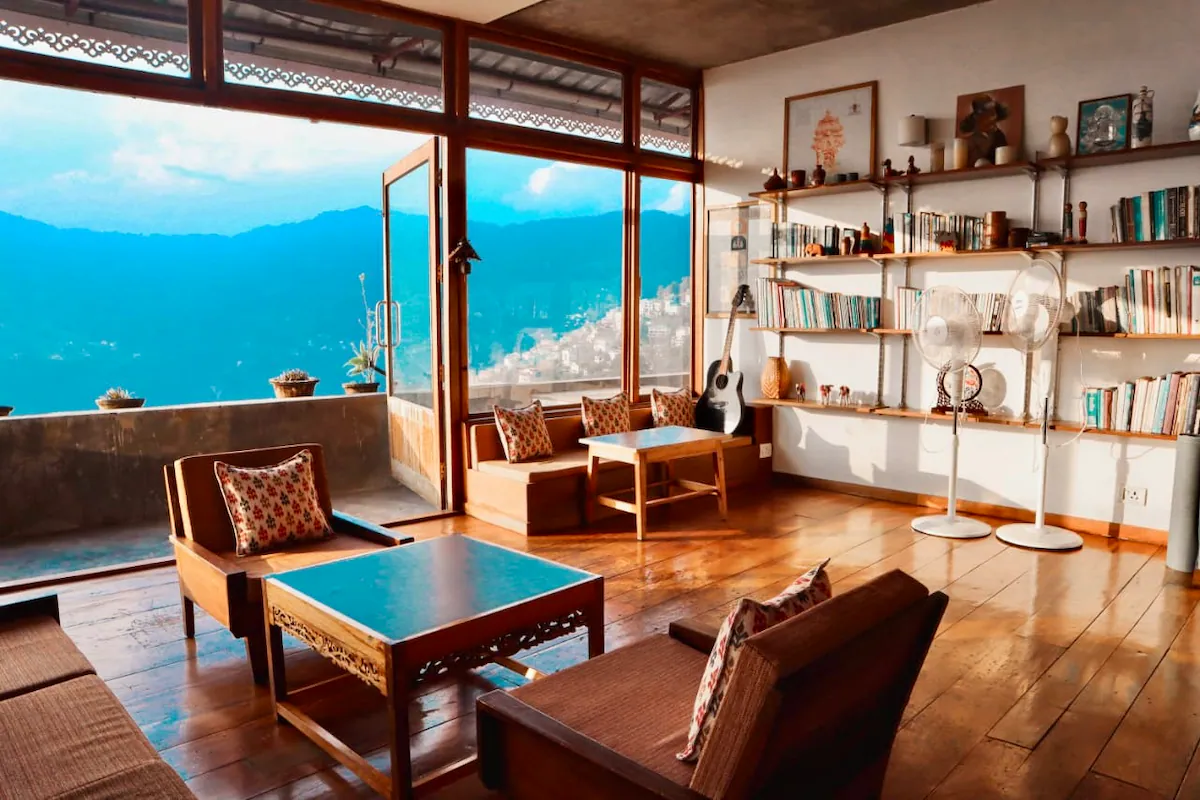
There are no large hotels on the Silk Route. The "Organic Luxury" here comes from the warmth of Heritage Homestays.
- Zuluk & Nathang: Staying in a local home allows you to experience the authentic "Solid Foundations" of Sikkimese hospitality.
- What to expect: Traditional wood-paneled rooms, home-cooked organic meals, and the famous Bukhari (wood-fire heater) to keep you warm.
7. Packing Essentials for High Altitudes
Temperatures in Nathang Valley can drop well below zero even in autumn.
- Layering is Key: A moisture-wicking base, a warm mid-layer, and a heavy down jacket.
- Accessories: Woolen caps, gloves, and polarized sunglasses are non-negotiable.
- Full Guide: See our Ultimate Sikkim Packing List for 2026.
8. Sustainable Travel: Preserving the Heritage
As a "Meaningful Product" of history, the Silk Route must be protected.
- Plastic-Free: Sikkim is strict about plastic. Carry refillable bottles.
- Support Local: By staying in homestays, you directly contribute to the "Solid Foundations" of the mountain economy.
9. The "Frozen Mirror" Experience: Kupup Lake and the World’s Highest Golf Course
Continuing the climb from Nathang Valley, you encounter Kupup, a place of surreal high-altitude beauty.
- Elephant Lake: Known locally as Bitan Cho, the lake is famously shaped like an elephant. In winter, it transforms into a "Frozen Mirror," offering the kind of cinematic stillness that defines the BREEZIAH aesthetic.
- The Yak Golf Course: Situated at 13,025 feet, this is officially the highest golf course in the world. It’s a "Solid Foundation" of record-breaking mountain geography that surprises every visitor.
- Internal Link: Compare this high-altitude water body to the rugged majesty of Gurudongmar Lake in North Sikkim.
10. Acclimatization and Altitude Safety: The BREEZIAH Protocol
The Silk Route involves a rapid ascent. To ensure your journey remains a "Meaningful Product" and not an ordeal, we emphasize safety.
- The Ascent Curve: You will often climb from 2,000 ft (Rongli) to over 13,000 ft (Nathang) in a single afternoon.
- Prevention: We suggest the "Climb High, Sleep Low" philosophy where possible, or staying at least one night in Zuluk (9,400 ft) before attempting the higher Nathang Valley plateau.
- Hydration: Water is the most basic "Solid Foundation" of mountain safety. Avoid caffeine and alcohol while on the Silk Route to prevent Acute Mountain Sickness (AMS).
- Full Guide: Read our Essential Things to Know Before Visiting the Himalayas (relevant for all high-altitude zones).
11. Wildlife of the Ancient Path: The Red Panda and Beyond
While the Silk Route is famous for its history, it is also a biodiversity hotspot within the Pangolakha Wildlife Sanctuary.
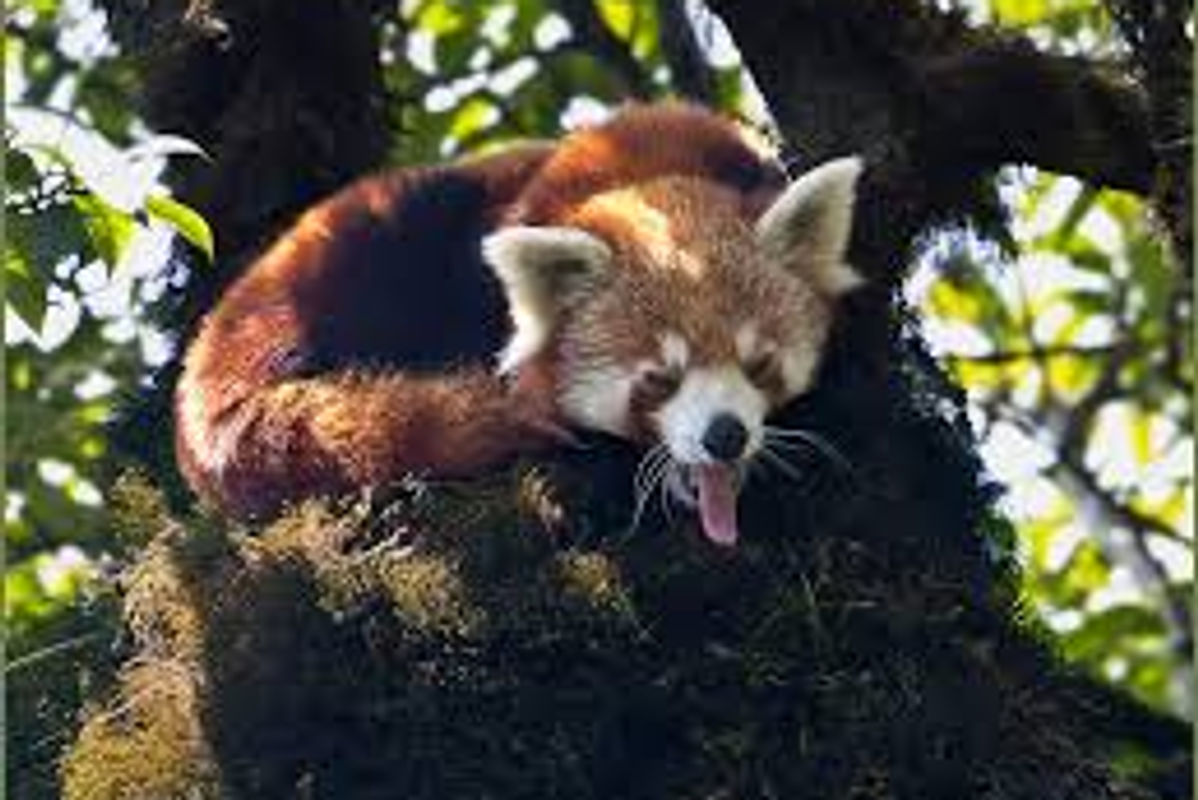
- The Red Panda: Sikkim’s state animal is often spotted in the bamboo thickets of the East. Spotting one is the ultimate reward for the patient explorer.
- Avian Diversity: The route is a paradise for birdwatchers. Look out for the Blood Pheasant and the Himalayan Monal as they glide through the pine canopies.
- Visual Guide: Capture these moments with the right gear; see our Sikkim Photography Guide.
12. The "Last Village" Culture: Gnathang and Its Tibetan Roots
The Nathang Valley (Gnathang) is more than just a scenic stop; it is a living museum of Tibetan-Sikkimese fusion.
- A Living History: Once home to Tibetan yak herders, the village consists of traditional stone houses that have withstood centuries of harsh winters.
- Spiritual Stillness: Visit the local monastery and the small Krishna temple to see how different faiths have formed a "Solid Foundation" of co-existence at the edge of the world.
- Meaningful Product: Engaging with the elders here offers a perspective on the Silk Route that no textbook can provide.
13.Frequently Asked Questions (FAQ
Helpful Answers
Frequently Asked Questions
A: No. Due to the altitude gain (from 2,000 ft to 13,000 ft), you need at least 2–3 nights to acclimatize and enjoy the circuit properly.
A: Since the route goes up to 14,000 ft, those with respiratory or heart conditions should consult a doctor. We recommend staying in Zuluk (lower altitude) before heading to Nathang.
A: Both offer "Cinematic Stillness," but the Silk Route is more focused on history and winding roads, while North Sikkim is about massive glaciers and high-altitude lakes like Gurudongmar.
A: It is very spotty. Consider this a "Digital Detox" journey.
Ready to walk through history? At BREEZIAH, we specialize in the "Refined Explorer" experience. Let us handle the permits and the logistics while you soak in the historic beauty of East Sikkim.
Plan My Silk Route Trip with BREEZIAH | View Our Reviews
Plan This Journey
Turn this Sikkim guide into a trip that fits your pace
If this guide is part of the kind of holiday you want, Breeziah can help shape the route, travel flow and stay style around your dates, comfort level and destination priorities.
Related Guides
Continue exploring Sikkim
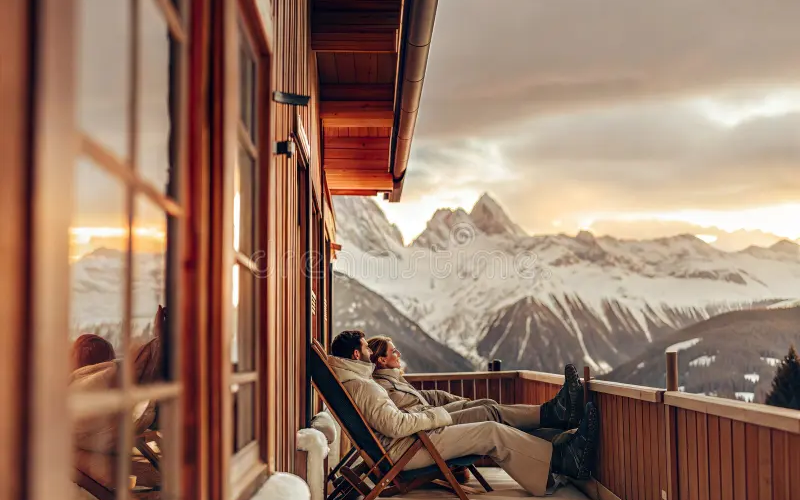
Sikkim for Couples: Best Romantic Getaways and Honeymoon Resorts
Escape to a land of "Organic Intimacy" where the clouds touch the peaks and time slows down for two. From the gilded sunrise at Buddha Park to the private tea-tasting sessions in Temi, Sikkim is the ultimate canvas for a romantic story. Whether you’re seeking the solid foundation of a heritage resort in Gangtok or the cinematic stillness of a stargazing night in Nathang Valley, our 2026 guide reveals the most meaningful products of Himalayan romance. Discover why Sikkim is India’s premier destination for couples seeking connection beyond the ordinary.
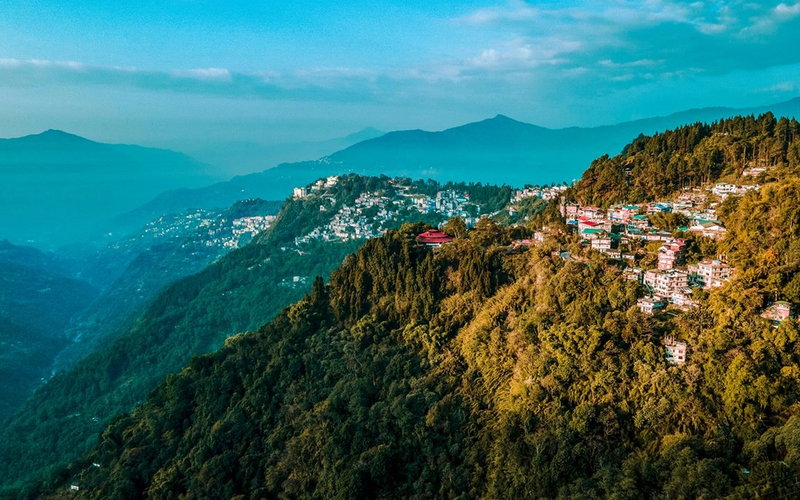
Sikkim on a Budget: How to Explore the Himalayas for Less
Think the Himalayas are only for big spenders? Think again. From mastering the intricate shared cab network of Gangtok to finding the "Refined Luxury" of a ₹800 heritage homestay, we’re pulling back the curtain on how to explore Sikkim without breaking the bank. Discover the 2026 "Slow-Zone" strategy, learn to DIY your own border permits, and find out why South Sikkim is the secret haven for the frugal explorer. Your mountain story doesn't need a five-star budget—it just needs a solid foundation.
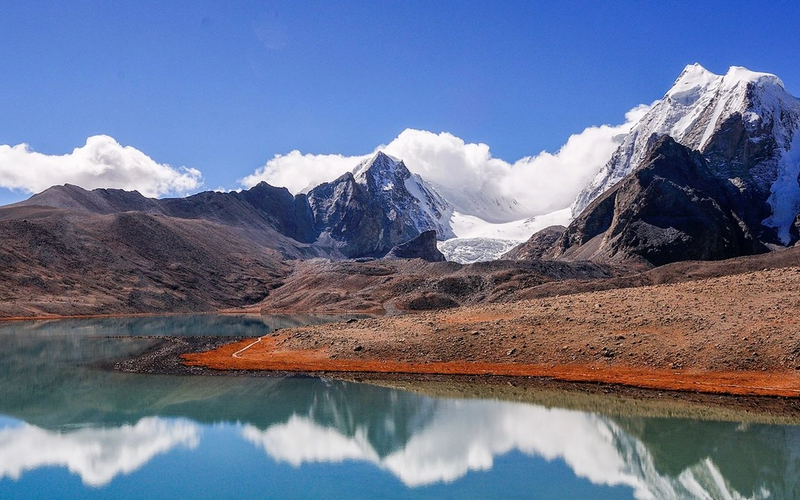
How to Reach Sikkim from Kolkata or Delhi: Flights, Trains & Taxis
Navigating the path to the "Land of the Peaks" requires more than just a ticket—it requires a strategy. From the high-speed Vande Bharat tracks to the cinematic helicopter rides over the Teesta, reaching Sikkim is the first step in your Himalayan story. We break down every logistics detail for 2026, including flight reliability, private EV shuttles, and the most scenic rail routes from Kolkata and Delhi, ensuring your journey begins on a "Solid Foundation