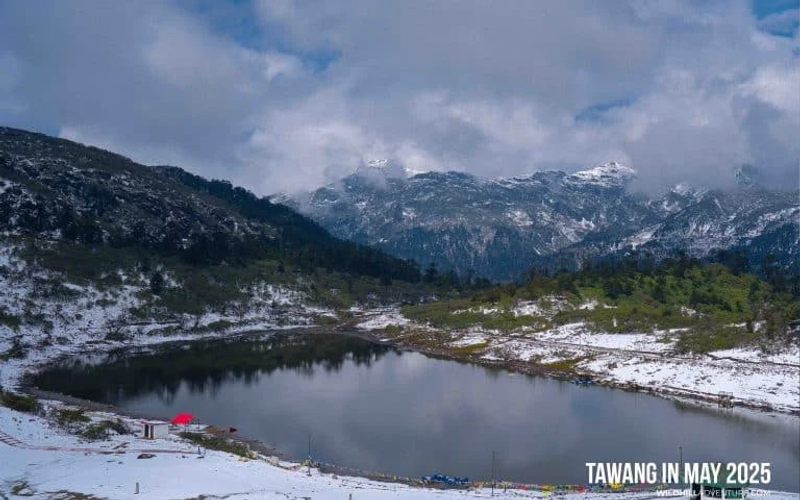
Monpas of Tawang: A Beautiful Glimpse into Arunachal’s Buddhist Culture
Published
Reading time
5 min read
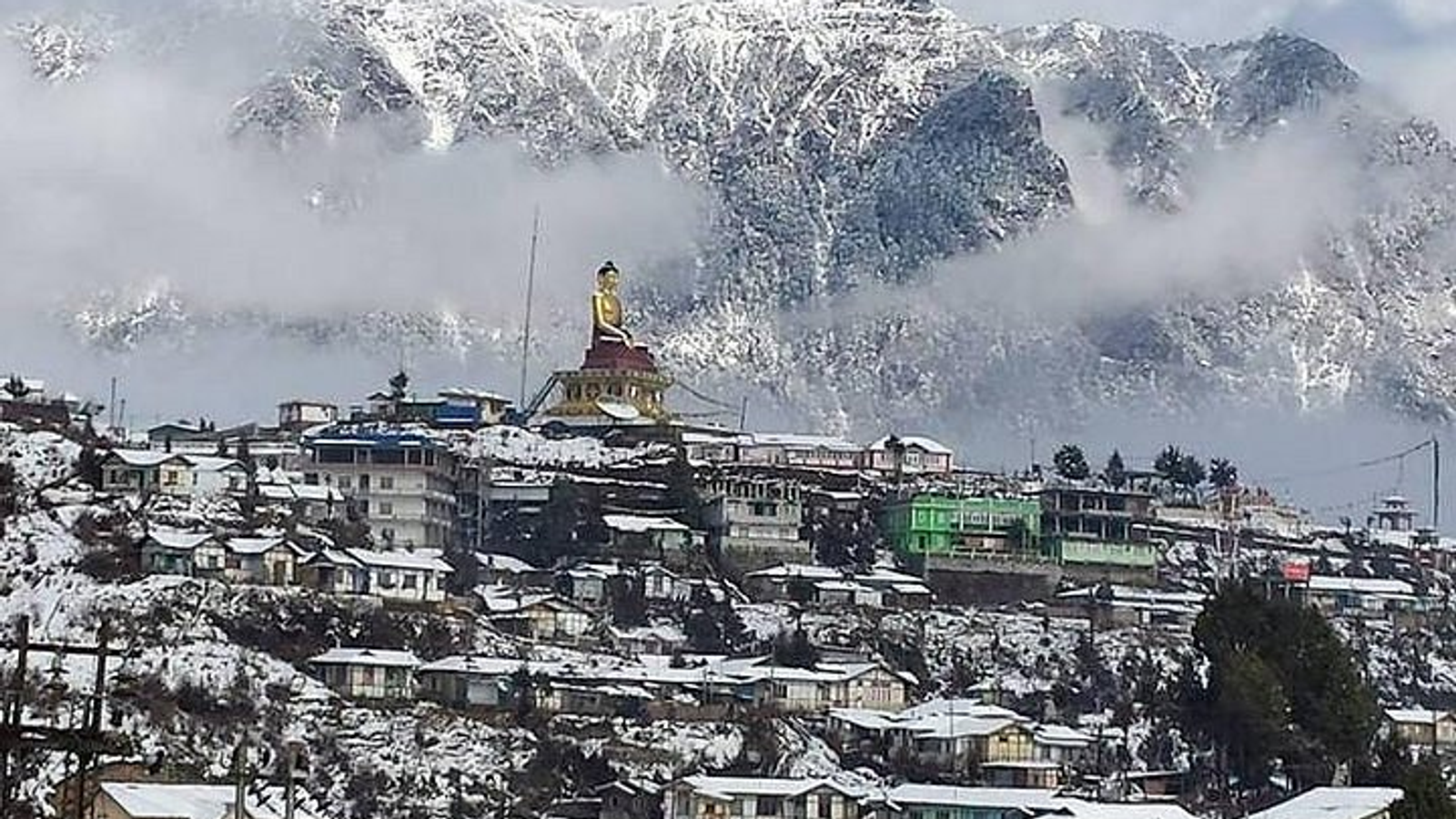
Quick Summary: The Monpa Experience
- Who are the Monpas? A nomadic and agrarian ethnic group predominantly living in Tawang and West Kameng, following Gelugpa Tibetan Buddhism.
- Cultural Significance: Known for their mastery of wood carving, thangka painting, and the Losar festival.
- 2026 Trend: A surge in "Slow Tourism" and "Ancestral Immersion," where travelers spend time in Monpa villages to learn sustainable living.
- Must-See: The Tawang Monastery (Gaden Namgyal Lhatse) and the traditional villages of Thembang and Pangchen Valley.
Introduction: The Soul of the Land of the Rising Sun
High in the misty plateaus of the Eastern Himalayas, where the air is thin and the prayer flags never stop fluttering, live the Monpa people. For any traveler exploring Arunachal Pradesh, the Monpas represent more than just a demographic; they are the living heartbeat of Tawang’s Buddhist soul.
As we look toward travel trends in 2026, the focus has shifted from mere sightseeing to deep cultural immersion. Travelers no longer just want to see the Tawang Monastery; they want to understand the philosophy of the people who built it. This pillar guide offers an honest, professional glimpse into the life, traditions, and spiritual landscape of the Monpa community.
1. Origins: The Legend of the Monpas
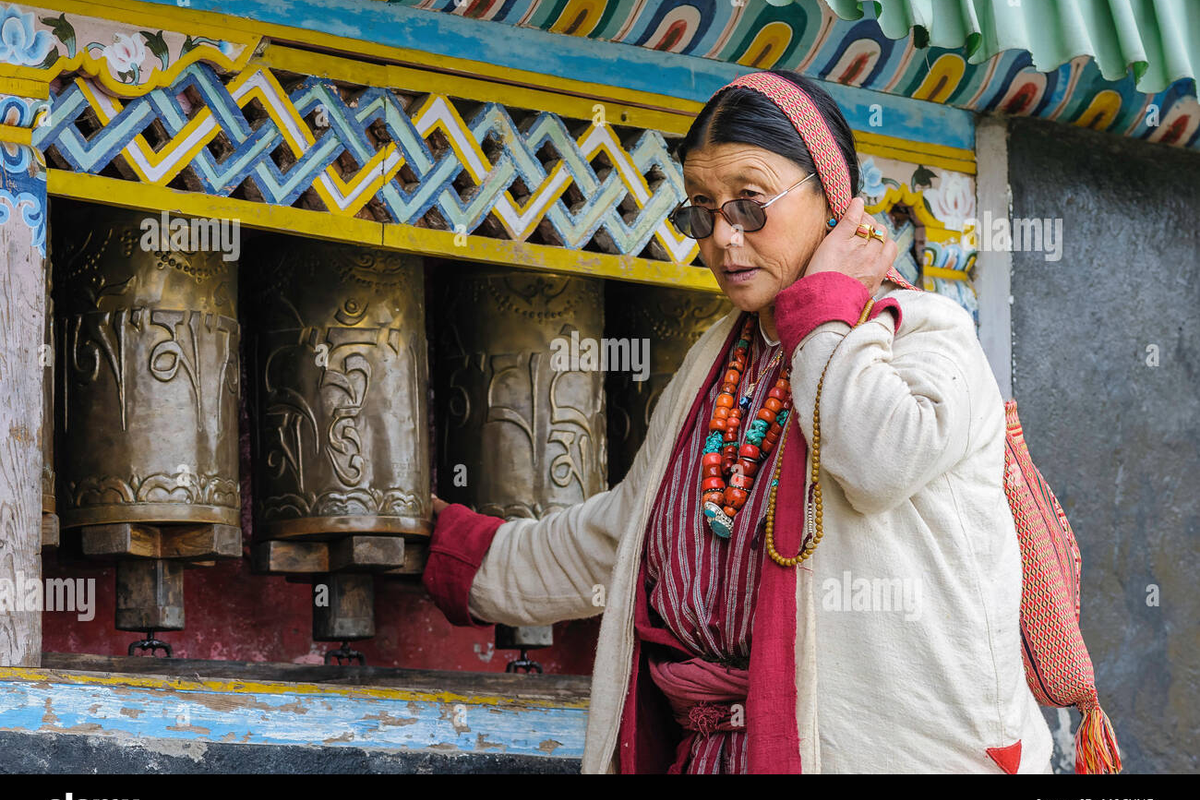
The word "Monpa" literally translates to "People of the Land of the South." Historically, they share deep ethno-linguistic ties with Tibet and Bhutan, yet they have maintained a distinct identity shaped by the rugged isolation of the Tawang mountains.
Unlike the nomadic tribes of the past, the modern Monpas are masters of terrace farming and weaving. Their history is intricately linked to the 6th Dalai Lama, Tsangyang Gyatso, who was born in Tawang, forever cementing the region's importance in the Buddhist world.
2. Spiritual Life: Gelugpa Buddhism & Rituals
Buddhism isn't a religion for the Monpas; it is the fabric of their daily existence. Most follow the Gelugpa sect of Tibetan Buddhism.
- The Monastery (Goma): Every village center is dominated by a Gompa. The Tawang Monastery acts as the administrative and spiritual hub for the entire community.
- Daily Rituals: You will often see households performing 'Sang' (incense burning) in the mornings to purify the environment.
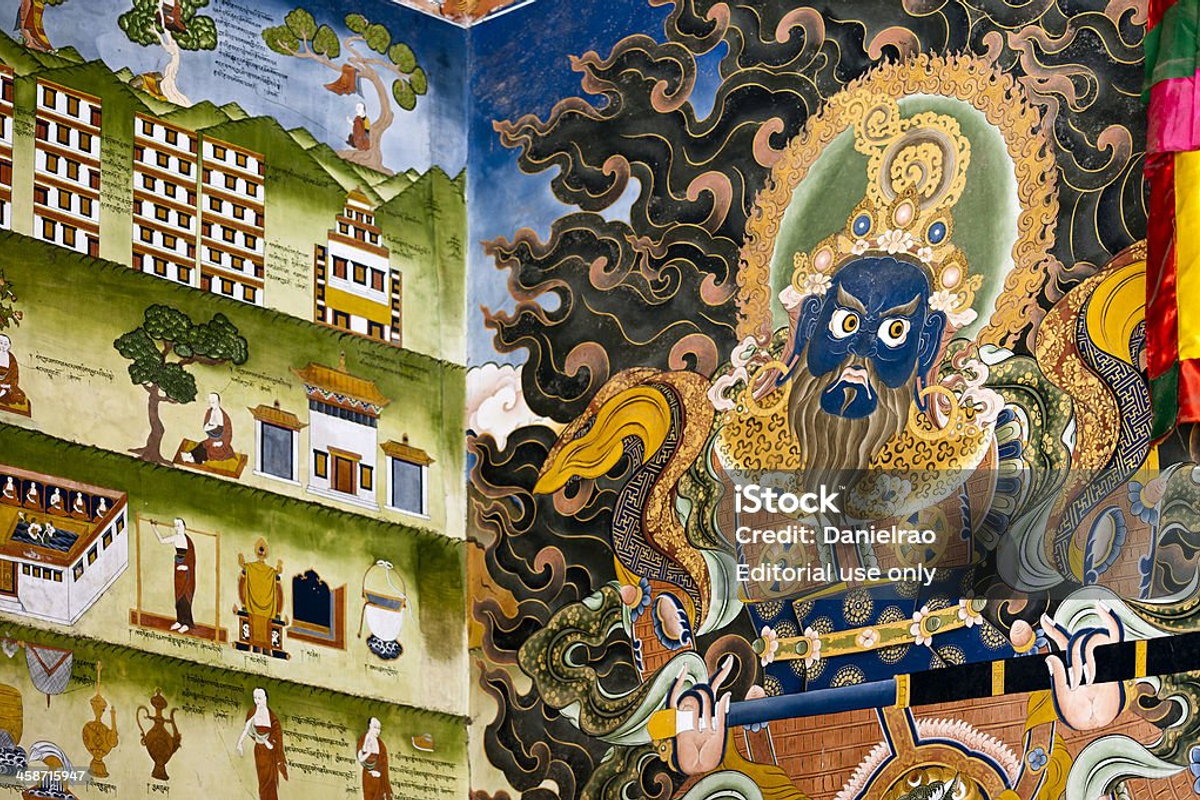
- Artistry: The Monpas are famous for Thangka painting—intricate scrolls depicting Buddhist deities—and handmade paper (Mon Shugu) used for religious scriptures.
3. Monpa Architecture: Living History
The Monpas have perfected the art of building "solid foundations" using stone and wood.
- Thembang Village: A UNESCO World Heritage site candidate, this fortified village is a prime example of Monpa defensive architecture.
- Stone Structures: Most homes are two-storied, built with local stone and decorated with beautifully carved wooden windows.
If you are planning a Tawang road trip from Guwahati, a stop at these traditional villages is essential to see how architecture balances "Early Ideas" with modern durability.
4. Festivals: The Vibrant Energy of Losar and Torgya
If you want to see the Monpas at their most vibrant, visit during their festival seasons.
- Losar (Tibetan New Year): Usually in February, it’s a 15-day celebration of dance, community feasts, and new beginnings.
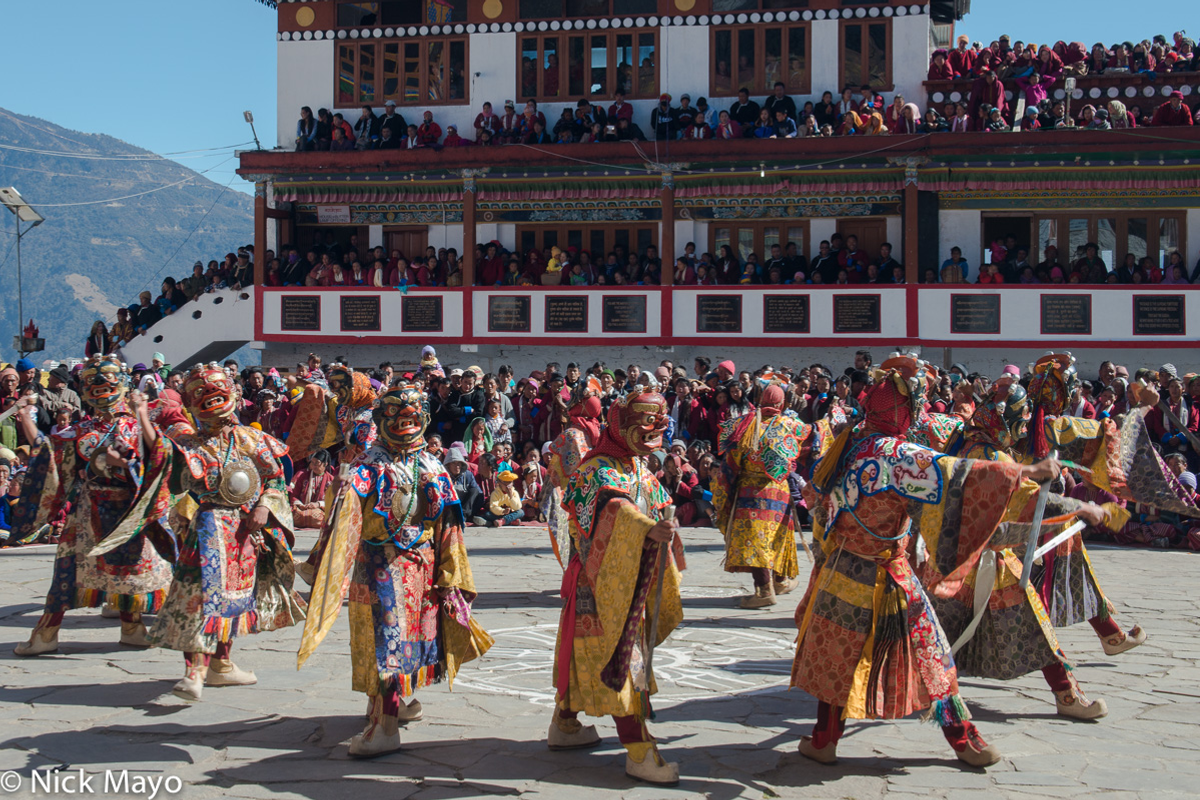
- Torgya Festival: Held at the Tawang Monastery, this festival is famous for the Aji Lhamu mask dance, which represents the victory of good over evil.
5. Cuisine: Traditional Flavors of the Highlands
Monpa food is designed for the cold. It is hearty, "organic luxury" at its best.
- Zan: A staple made of millet or buckwheat flour mixed with boiling water and served with vegetables or fermented cheese.
- Churpi: A fermented cheese made from yak milk, famous across the Arunachal border regions.
- Ara: A potent local spirit fermented from rice or millet.
For a full food guide, read 8 Must-Try Foods in Tawang for Tourists in 2026.
6. 2026 Perspective: Sustainable Village Tourism
The BREEZIAH philosophy for 2026 focuses on "Meaningful Products." We encourage travelers to look beyond the hotels and stay in Monpa homestays.
- Why Homestays? It provides direct economic benefit to the community and allows you to participate in butter lamp lighting rituals and farm-to-table cooking.
- Where to go? Explore the Offbeat Experiences in Tawang like the Pangchen Valley to witness a way of life that hasn't changed in centuries.
7. The Ancient Art of Mon Shugu: 1,000 Years of Paper Making
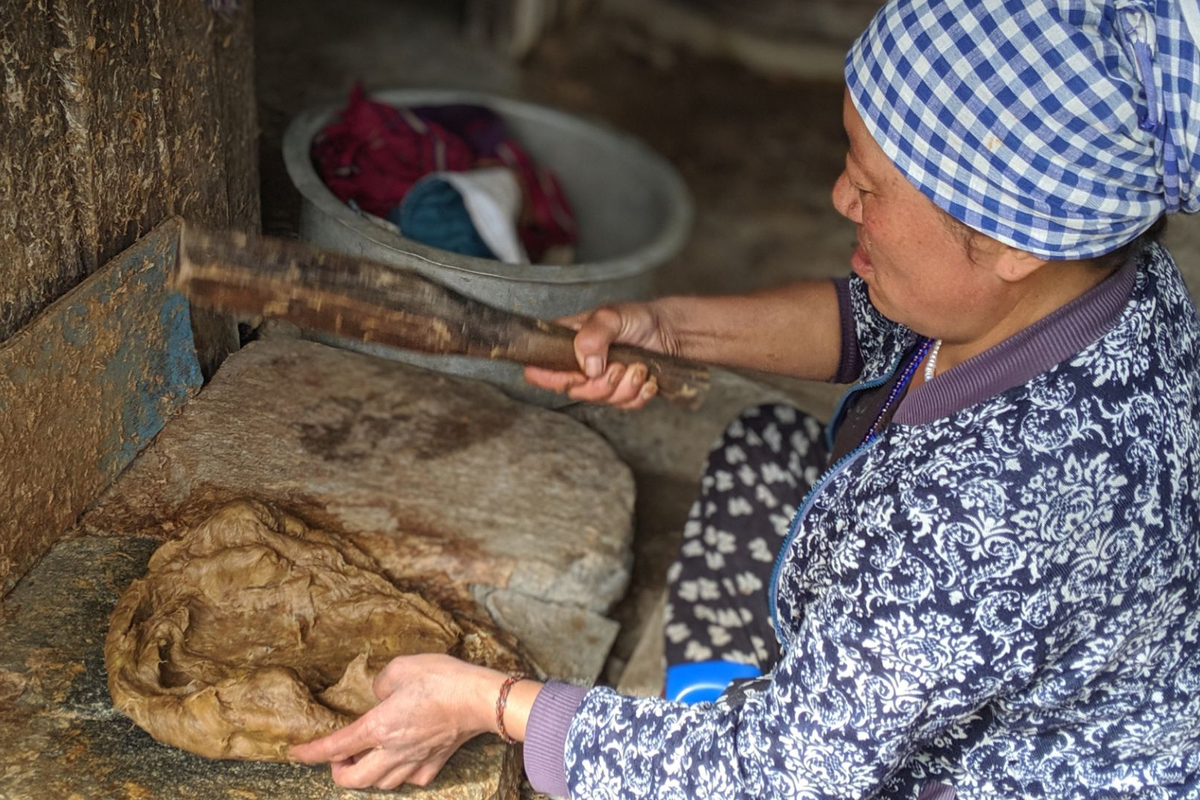
Long before modern stationary, the Monpas were masters of "Mon Shugu"—a handmade paper crafted from the bark of the Shugu Sheng tree. In 2026, this ancient craft is seeing a massive revival. Unlike factory-made paper, Mon Shugu is naturally resistant to pests and decay, which is why 500-year-old Buddhist scriptures in the Tawang Monastery look as if they were written yesterday.
- The Process: It involves harvesting the bark, boiling it in wood ash, and pounding it into a pulp—a completely organic, chemical-free process that reflects the Monpa’s "Early Ideas → Solid Foundations" business ethos.
- Visual Tip: Look for artisans at the local craft centers in Tawang where you can participate in a paper-making workshop.
8. Weaving the Soul: The Mastery of Monpa Women
In Monpa society, weaving is a sacred skill passed down from mother to daughter. The women are the primary drivers of the local economy through their mastery of the Loin Loom.
- The Designs: Keep an eye out for patterns featuring the Snow Lion, Dragon, and Birds—each color and motif carries a specific spiritual meaning.
- Yak Hair Blankets: To survive the brutal Himalayan winters, they weave heavy-duty blankets and tents from yak hair.
- Internal Link: If you love indigenous textiles, don't miss our guide on Local Khasi Culture & Weaving in Meghalaya to see the contrast between North East traditions.
9. Traditional Healing: The Roipa Choigan (Bone Setters)
Safety in Arunachal isn't just about roads; it's about the local wisdom of healing. Even with modern clinics, many Monpas still rely on the Roipa Choigan—traditional bone setters.
- Holistic Approach: They use manual manipulation combined with Ngamar (sacred balm) and Ngachu (blessed water).
- Spiritual Harmony: For a Monpa, illness is often seen as a disruption of spiritual harmony. Healing sessions usually begin with mantras and incense to purify the environment, a practice that fascinates 2026 wellness travelers seeking "meaningful products" for the mind and body.
10. Environmental Stewardship: Sacred Groves and Taboos
The Monpas have a unique "participatory conservation" model that is trending in 2026 global climate discussions. They believe that certain rocks, trees, and mountains are the domains of local deities.
- The Taboo System: It is strictly forbidden to cut trees in "Sacred Groves." Violating this isn't just a legal issue—it’s a spiritual one.
- Wildlife Coexistence: This belief system protects rare species like the Red Panda and the Black-Necked Crane. When you travel with BREEZIAH, you aren't just a tourist; you are a guest in a land where nature is worshipped, not conquered.
11. Language & Folklore: The Lingua Franca of the Clouds
The Monpa language belongs to the Tibeto-Burman family, but it has several distinct dialects like Mon-keth and Pangchen-keth.
- The Bhoti Script: While many speak Hindi and English (for tourism), the resurgence of the Bhoti script in schools is a 2026 cultural milestone.
- Oral Traditions: Sit around a Bukhari (heater) in a Dirang homestay and listen to stories of fairies who descended from the heavens to teach the Monpas how to sow the first seeds of maize.
7. FAQ: Culture & Etiquette
Helpful Answers
Frequently Asked Questions
Modesty is key. Ensure your shoulders and knees are covered when entering Gompas. We recommend checking our Arunachal Packing Checklist for more details.
A: Most Monpas are very friendly, but always ask for permission first. A simple smile and a "Kuzuzangpo" (Hello) go a long way.
A: While both are Vajrayana Buddhist cultures, the Monpas have unique tribal roots, distinct languages, and a different architectural style influenced by the high-rainfall Himalayan forests.
A: February for Losar and January for Torgya. Be sure to check the Best Time to Visit Tawang guide as dates vary by the lunar calendar.
Ready to walk the path of the Monpas? At BREEZIAH, we specialize in connecting you with the soul of the Himalayas. Explore our Majestic Tawang Himalayan Escape to begin your cultural journey.
Plan This Journey
Turn this Tawang guide into a trip that fits your pace
If this guide is part of the kind of holiday you want, Breeziah can help shape the route, travel flow and stay style around your dates, comfort level and destination priorities.
Related Guides
Continue exploring Tawang
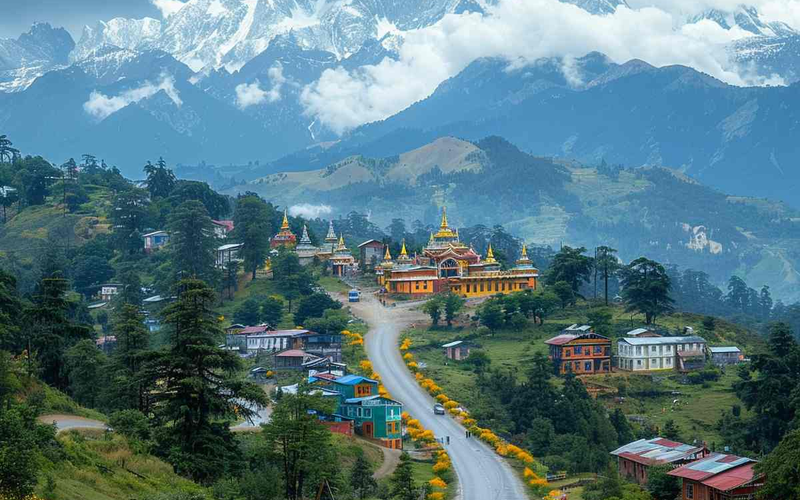
12 Best Things to Do in Tawang: Unforgettable Himalayan Experiences
Discover the best things to do in Tawang, from monasteries and Sela Pass to waterfalls, lakes, and Himalayan adventures for unforgettable experiences.
Tawang Road Trip from Guwahati: The Complete Route, Stops & Tips
: Embark on the definitive Guwahati to Tawang road trip. From the 13,700-ft Sela Pass to the world's second-largest monastery, this 2026 guide covers everything: permit logistics, the new Sela Tunnel, offbeat homestays, and a perfect 7-day itinerary for the modern adventurer.