
Best Places to Visit in Sikkim – Top Tourist Attractions (2026 Guide)
Published
Reading time
11 min read
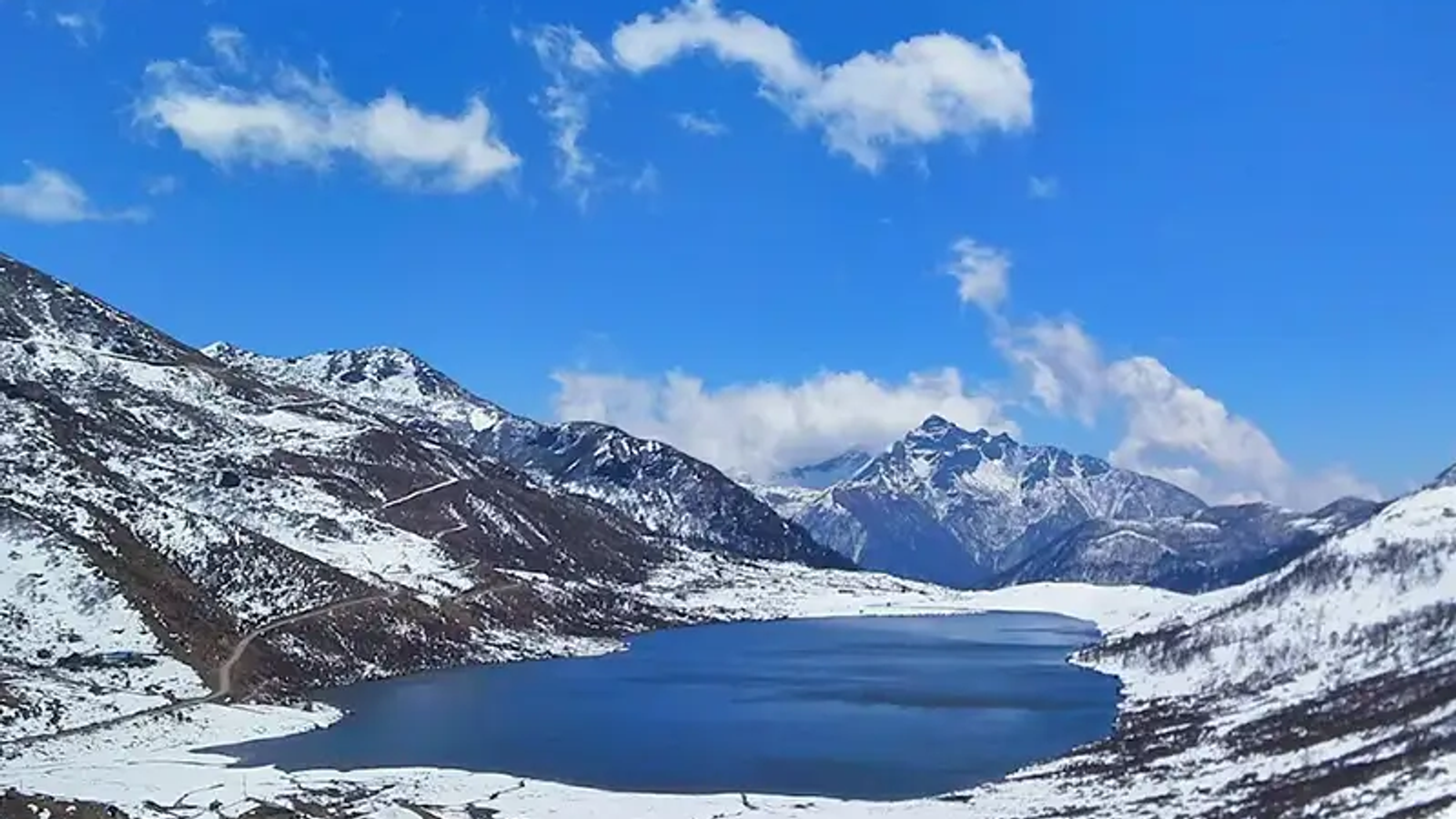
Sikkim is a land where the clouds don’t just float; they reside. Tucked away in the lap of the Eastern Himalayas, this organic state is a masterpiece of vertical landscapes, glacial lakes, and ancient Buddhist monasteries that echo with centuries of prayer. For travelers in 2026, Sikkim represents the pinnacle of eco-conscious travel, offering a raw, unfiltered connection with nature that few other places can match.
Whether you are looking for the vibrant energy of its capital or the silence of its high-altitude deserts, knowing the best places to visit in Sikkim is the first step toward a transformative journey. This comprehensive guide covers the top 12 destinations, complete with timing, entry fees, and survival tips to ensure your trip is as epic as the mountains themselves.
Quick Summary: Sikkim 2026 at a Glance
| Category | Details |
|---|---|
| Top 3 Attractions | Tsomgo Lake, Gurudongmar Lake, Pelling Skywalk |
| Ideal Duration | 7 to 10 Days |
| Best Time to Visit | March–May (Flowers) or October–December (Clear Views) |
| New 2026 Rule | Mandatory ₹50 Tourism Sustainability Fee (collected at hotel check-in) |
| Permit Reality | Voter ID or Passport is Mandatory. (Aadhar is not accepted for border zones) |
The 12 Best Places to Visit in Sikkim
1. Tsomgo Lake (Changu Lake)
At 12,400 feet, Tsomgo is a sapphire jewel. This glacial lake is sacred to the locals and is famous for the way its water changes color with the shifting seasons—from a bright turquoise in summer to a solid sheet of white ice in winter.
- The Experience: Ride a decorated Yak along the lake’s edge or take the high-altitude ropeway for a bird's-eye view of the surrounding peaks.
- Best Time: April to May for the blue water; January to March for a frozen wonderland.
- Entry Fee: Part of the Protected Area Permit (Approx. ₹200).
- Timing: Best visited between 8:00 AM and 1:00 PM.
- Quick Tip: The oxygen is thin here. Walk slowly and avoid running, even if you’re excited for that perfect photo.
2. Gurudongmar Lake
Sitting at a staggering 17,800 feet, Gurudongmar is one of the highest lakes in the world. Surrounded by barren, snow-capped mountains, the site feels more like a lunar landscape than Earth.
- The Legend: It is said that Guru Padmasambhava blessed a portion of the lake so it never freezes, even in -30°C, providing drinking water for the people.
- Best Time: October to November for the clearest blue skies.
- Entry Fee: Included in the North Sikkim permit.
- Timing: You must leave Lachen by 4:00 AM. High winds make it dangerous to stay past 11:30 AM.
- Quick Tip: Do not spend more than 30–40 minutes at the lake. Altitude Mountain Sickness (AMS) is a real risk here.
3. Pelling Skywalk & Chenrezig Statue
Pelling is home to India’s first glass skywalk, offering a thrilling view of the Kanchenjunga range. The walk leads you to a colossal 137-foot statue of Chenrezig (Avalokitesvara).
- The Experience: The sensation of walking on transparent glass with a thousand-foot drop below is an adrenaline rush like no other.
- Best Time: 6:00 AM to 8:00 AM for the best mountain visibility.
- Entry Fee: ₹50 (Indian/Foreign); ₹20 (Local).
- Timing: Open 8:00 AM to 5:00 PM.
- Quick Tip: Wear thick socks! You have to remove your shoes to walk on the glass, and it can be freezing in the morning.
Also Read: Best things to do in Pelling
4. Yumthang Valley (Valley of Flowers)
Known as the "Switzerland of the East," this valley is a meadow surrounded by the Shingba Rhododendron Sanctuary, featuring over 24 species of the state flower.
- The Highlights: The nearby Hot Springs are perfect for a quick dip. A further 15km drive takes you to Zero Point, where the road ends, and the snow begins.
- Best Time: Late February to mid-June for flowers.
- Entry Fee: Included in the North Sikkim Permit.
- Quick Tip: Rent "Snow Boots" and heavy jackets at the Lachung check-post for ₹100 instead of buying them.
5. Buddha Park (Ravangla)
Dominating the skyline of South Sikkim is the 130-foot golden Buddha statue at Tathagata Tsal. It is a masterpiece of modern Buddhist architecture.
- The Vibe: Peaceful and perfectly manicured. The park is designed for quiet reflection with a massive 360-degree mountain backdrop.
- Best Time: October to June.
- Entry Fee: ₹50.
- Timing: 9:00 AM to 6:00 PM.
- Quick Tip: Stay until twilight; the lighting on the statue against the dark mountains is ethereal.
6. Nathula Pass
This historic branch of the Old Silk Route sits at 14,140 feet on the border between India and China. It is one of the highest motorable roads in the world.
- The Experience: Standing at the gate where the two countries meet and visiting the nearby Baba Mandir, a shrine dedicated to a soldier who is said to still protect the border.
- Best Time: May to October (Closed Mondays and Tuesdays).
- Entry Fee: Special Permit required (₹200).
- Quick Tip: Only Indian nationals are permitted here. Foreigners can only go as far as Tsomgo Lake.
7. Zuluk & The Silk Route
For those seeking the offbeat, Zuluk is a mountain village that offers a dizzying view of the "Zig-Zag road"—a series of 32 hairpin turns that look like a serpent from above.
- The View: Thambi View Point (11,200 ft) offers a sunrise over the Kanchenjunga range that is arguably the best in the state.
- Best Time: August to September (wildflowers) or January (snow).
- Entry Fee: Special Silk Route permit required.
- Quick Tip: Stay in a local homestay. The home-cooked Sikkimese food is a highlight of the trip.
8. Namchi Char Dham
A cultural marvel that features replicas of India’s four most sacred Hindu temples (Dhams) and a massive 108-foot statue of Lord Shiva.
- The Experience: Even if you aren't religious, the scale and cleanliness of this park are impressive. It feels like a high-altitude spiritual theme park.
- Best Time: October to June.
- Entry Fee: ₹50.
- Quick Tip: Visit the nearby Samdruptse Hill to see the 135-foot statue of Guru Padmasambhava on the same day.
9. Rumtek Monastery
The largest and most significant monastery in Sikkim. It is the seat of the Kagyu lineage and a stunning example of Tibetan architecture.
- The Highlights: The Golden Stupa containing the relics of the 16th Karmapa and the ancient manuscripts in the library.
- Best Time: Year-round; mornings are best for catching the monk’s prayer chants.
- Entry Fee: ₹10.
- Quick Tip: Combine this with a visit to the Namgyal Institute of Tibetology in Gangtok.
10. Lachen & Lachung Villages
These are the gateway villages to North Sikkim. They are filled with wooden cottages, apple orchards, and the friendliest locals you will ever meet.
- The Vibe: Remote and cozy. Most hotels provide basic, warm amenities that feel like a luxury after a long day in the mountains.
- Best Time: March to June and October to December.
- Entry Fee: Included in North Sikkim permits.
- Quick Tip: These villages have a zero-waste policy. Be very careful with your trash.
For a full breakdown of the North Sikkim circuit, see our Gangtok-Lachung-Yumthang package.
11. Gangtok (MG Marg)
The cleanest city in India. No vehicles, no littering, and no smoking are allowed on the main mall road (MG Marg).
- The Fun Part: It feels more like a European mountain town. Sit on the benches, eat local dumplings, and enjoy the vibe.
- Best Time: March to May for the Flower Festival.
- Entry Fee: Free.
- Quick Tip: Take the Gangtok Ropeway (Cable Car) near the Deorali market for a panoramic view of the whole valley (₹110).
Hungry after exploring MG Marg? Here is our guide to the best food in Gangtok.
12. Dzongu Valley
A restricted area meant only for the indigenous Lepcha people. This is the ultimate "hidden gem" of Sikkim.
- The Experience: Untouched forests, waterfalls at every turn, and bamboo bridges over rushing rivers.
- Best Time: September to May.
- Entry Fee: Requires a special "Dzongu Permit."
- Quick Tip: There are no hotels here, only traditional homestays. It is for the traveler who wants to disconnect completely.
Tips for Travelers Visiting Sikkim (2026 Edition)
1. The Permit Protocol (Crucial!)
Sikkim shares sensitive borders with China, Nepal, and Bhutan. Because of this, many areas require a Protected Area Permit (PAP).
- Document Checklist: You must carry your Original Voter ID or Passport and at least 10 passport-sized photos.
- Aadhar Warning: As of 2026, many army checkposts still do not accept Aadhar as proof of nationality for border permits. Don't risk it; bring your Voter ID.
- Foreign Nationals: Foreigners require a Restricted Area Permit (RAP) to enter Sikkim. In 2026, this is now fully digital via the e-FRRO platform.
2. The 2026 "Sustainability Fee."
Starting recently, the Sikkim government has implemented a ₹50 per person entry fee (Tourism Sustainability Development Fund). This is usually collected by your hotel during check-in and is used to maintain the roads and infrastructure. Keep your receipt!
3. Strict Plastic Ban
Sikkim is a pioneer in sustainability. Single-use plastic water bottles are strictly banned.
- Pro Tip: Bring an insulated reusable flask. Every hotel provides safe, filtered mountain water. If you are caught with a plastic bottle in North Sikkim, the fines are heavy.
4. Health & Altitude
Going from Gangtok (5,400 ft) to Gurudongmar (17,800 ft) is a massive jump.
- Acclimatize: Spend at least two nights in Gangtok before heading to North Sikkim.
- Hydrate: Drink plenty of water, but avoid alcohol when climbing to higher altitudes to prevent headaches and nausea.
Helpful Answers
Frequently Asked Questions
Namchi (Char Dham), Ravangla (Buddha Park), and Gangtok (MG Marg) are the most comfortable and visually stunning for families.
Tsomgo Lake and Gurudongmar Lake are the two most iconic locations that almost every traveler wants to see.
To see the North, West, and East circuits, you need 8 to 10 days. A 5-day trip is only enough for Gangtok and Pelling.
For greenery and flowers, visit from March to May. For clear mountain views and blue skies, visit from October to December.
Yes. For border areas (North and East), permits are mandatory. For the rest of the state, you just need your ID and the sustainability fee receipt.
Conclusion
Sikkim isn't just a destination; it’s a feeling of being suspended between the heavens and the earth. Every mile in this state offers a new masterpiece—whether it’s the high-velocity winds of the high-altitude lakes or the peaceful chants of a hillside monastery. At Breeziah, we specialize in managing the complexities of Himalayan travel—from permits to mountain-ready vehicles—so you can focus on the view.
Ready to start your journey? Contact BREEZIAH and let’s plan your 2026 Sikkim adventure.
Disclaimer: All images featured in this blog are the property of their respective copyright owners. They are used for informational purposes only.
Plan This Journey
Turn this Sikkim guide into a trip that fits your pace
If this guide is part of the kind of holiday you want, Breeziah can help shape the route, travel flow and stay style around your dates, comfort level and destination priorities.
Related Guides
Continue exploring Sikkim
Is Sikkim Safe for Tourists? Altitude Sickness, Roads, and Weather Tips
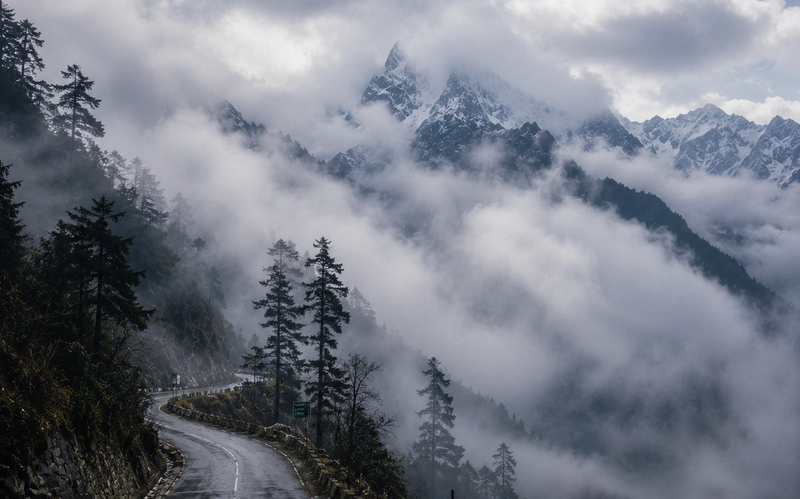
Is Sikkim safe for your next adventure? Consistently ranked as one of the most secure destinations in the Himalayas, Sikkim offers a peaceful sanctuary for solo travelers and families alike. However, the true challenges aren't found in the streets, but in the thin air of the high-altitude passes and the winding mountain roads. From mastering the "Slow-Zone" ascent to prevent altitude sickness to navigating the shifting weather patterns of 2026, our comprehensive guide provides the solid foundations you need for a secure journey. Discover essential medical tips, road safety strategies, and the new "Safe-Zone" trekking standards that ensure your Himalayan experience remains purely cinematic.
Experiencing the Losar Festival in Sikkim: Dates, Food & Traditions
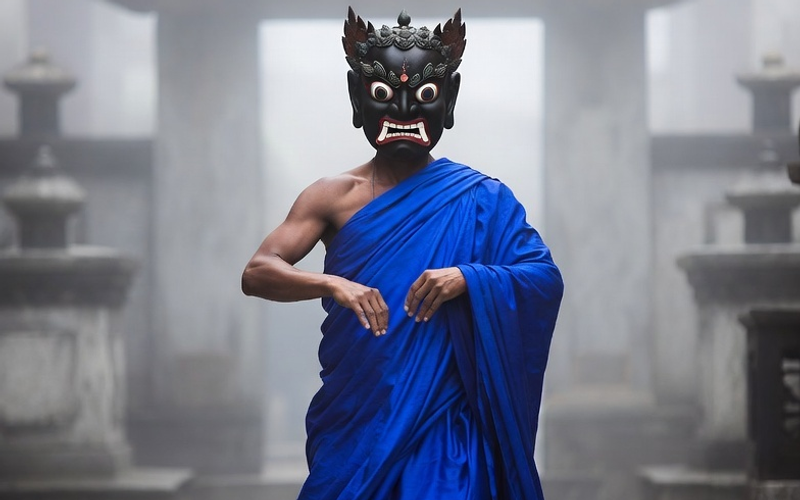
Step into a winter landscape of spiritual renewal and vibrant celebration. Losar 2026—ushering in the powerful Year of the Fire Horse—is Sikkim’s most cinematic cultural experience. From the dramatic, fire-purifying ritual of Gutur to the mesmerizing, masked Cham dances in historic monastery yards, this guide unveils the true heart of the Tibetan New Year. Discover the symbolic secrets hidden inside Guthuk noodle soup, learn the sacred early-morning ritual of Chupu, and find out how "Regenerative Cultural Immersion" is helping travelers connect deeply and sustainably with local families in Sikkim.
A Guide to Sikkim's Most Beautiful Monasteries: Rumtek, Pemayangtse & More
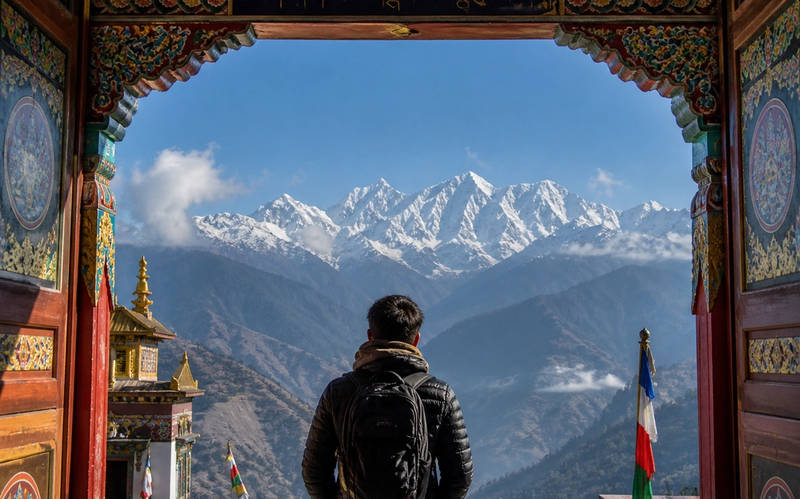
Step into a realm of deep, cinematic stillness. With over 200 sacred sanctuaries hidden among its mist-shrouded peaks, Sikkim is a living monument to Himalayan Buddhism. From the grand, gold-leafed pillars of Rumtek to the royal woodworking of Pemayangtse, these monasteries are built on solid foundations of history and quiet wisdom. Our 2026 spiritual guide leads you off the beaten path to explore sacred chortens, witness vibrant masked dances, and learn the mindful etiquette of slow-travel pilgrimage.