Experiencing the Losar Festival in Sikkim: Dates, Food & Traditions
Published
Reading time
5 min read
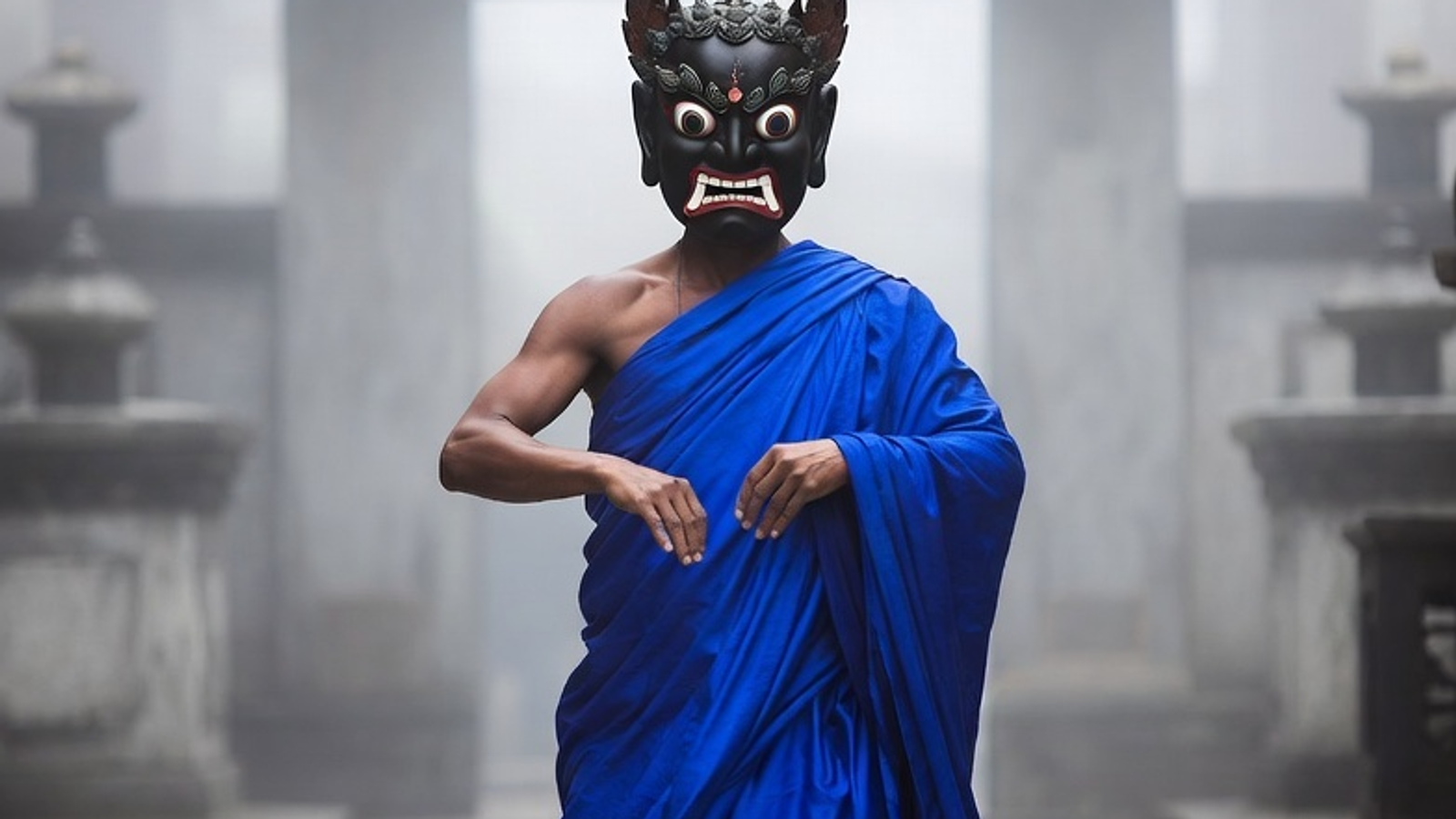
Quick Summary: The Golden Gateway to Losar 2026
- The Essence: Losar is the Tibetan New Year, celebrated with immense energy, monastic dance rituals, and culinary feasts across Sikkim.
- 2026 Trending Concept: "Regenerative Cultural Immersion"—Modern travelers are moving away from passive observation, actively seeking respectful participation in localized family gatherings and neighborhood prayers.
- The Taste: Don't miss Guthuk (a symbolic nine-ingredient noodle soup eaten on Losar Eve) and Khabse (crispy, deep-fried festive pastries).
- Key Hubs: Head to Ravangla, Pelling, and the monasteries surrounding Gangtok for the most authentic celebrations.
- Respectful Tip: Wear modest clothing, always walk clockwise (Kora) around Buddhist monuments, and seek permission before photographing sacred dances or local families.
1. The Soul of Losar: Sikkim's Spiritual Rebirth
In the high-altitude valleys of Sikkim, the transition from winter to spring is marked by Losar—the traditional Tibetan New Year. Derived from the Tibetan words Lo (Year) and Sar (New), this multi-day festival represents a clean slate, a time to banish the negative energies of the past twelve months and welcome prosperity, health, and spiritual alignment.
For the refined traveler, experiencing Losar is an invitation to witness Cinematic Stillness broken only by the rhythmic clash of monastic cymbals and the deep rumble of Himalayan horns. As Sikkim's crisp mountain breeze carries the scent of burning juniper incense, you quickly realize this is not just a holiday; it is a profound, communal reset built on the Solid Foundations of ancestral devotion.
2. Sikkim Losar Dates: Planning Your Winter Journey
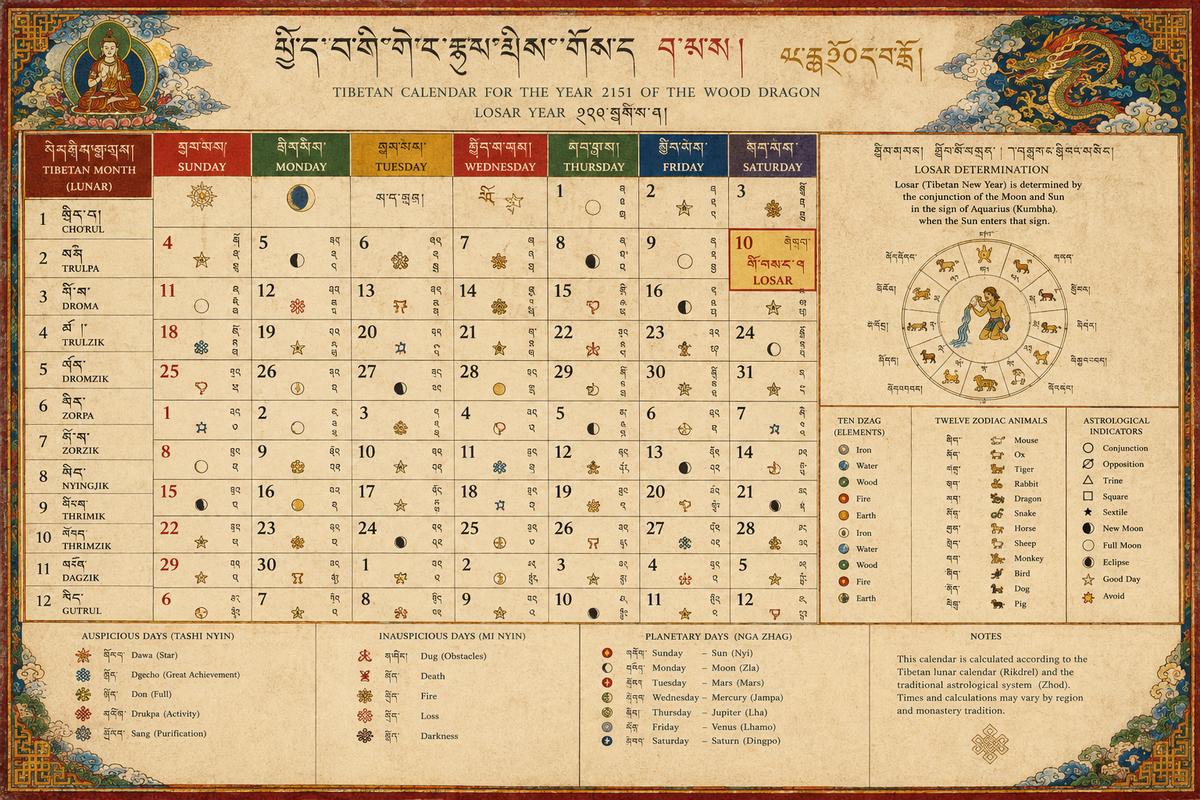
Because Losar is calculated using the Tibetan Lunisolar calendar, the exact dates shift annually on the Gregorian calendar.
| Festive Phase | Lunar Significance | Key Celebrations & Rituals |
|---|---|---|
| Losar Eve (Day -1) | Spiritual Cleansing | Family reunions, eating Guthuk soup, throwing away past misfortunes. |
| Day 1: Lama Losar | Sacred Homage | Early morning prayers, visiting local monasteries, receiving blessings. |
| Day 2: King's Losar | National & Communal | Community dances, family feasts, exchange of white silk scarves (Khada). |
| Day 3: Choe-Kyong Losar | Protector Dedication | Raising new prayer flags, outdoor incense burnings, community gatherings. |
To make sure your winter itinerary lines up perfectly with these local dates, cross-reference our ultimate guide on the best time to visit Sikkim to balance weather, road clearances, and cultural events.
3. The Sacred Traditions: From Gutur to Monastic Cham Dances
The build-up to Losar begins days before the new moon with intense house cleaning, a physical manifestation of clearing out old, stagnant energy to make room for fresh fortune.
Gutur: Banishment of the Evil Eye
On the 29th day of the twelfth lunar month, monasteries across Sikkim perform Gutur, a ritual preparation involving sacred chants and the destruction of a thread-cross effigy representing the past year's misfortunes.
The Mystic Cham Dances
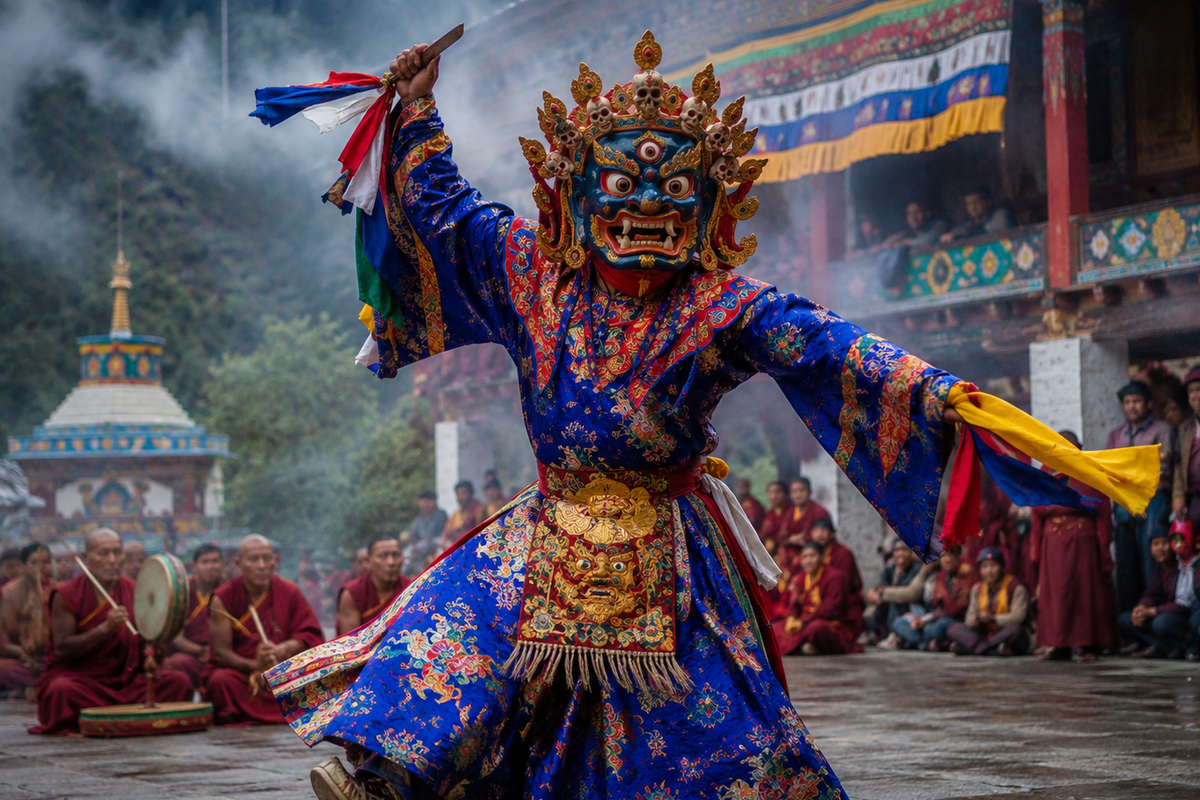
Perhaps the most cinematic element of Losar is the performance of Cham (Masked Dances) by Buddhist monks. Draped in heavy, multi-hued silk brocades and wearing expressive, hand-carved masks of protective deities, the monks execute slow, hypnotic movements in the monastery courtyards. Each step represents the subduing of negative spirits and the triumph of compassion over ego.
- Where to watch: Experience these stunning performances by reading our complete guide to Sikkim's most beautiful monasteries.
4. Festive Gastronomy: What to Eat During Losar
Food is the ultimate "Meaningful Product" of Losar, carrying deep symbolic meaning designed to bring families together and predict their fortunes.
┌──────────────────────────────┐
│ Traditional Losar Feast │
└──────────────┬───────────────┘
│
┌───────────────────────┼───────────────────────┐
▼ ▼ ▼
┌───────────────┐ ┌───────────────┐ ┌───────────────┐
│ GUTHUK │ │ KHABSE │ │ CHANGKOL │
│ Nine-ingredient│ │ Deep-fried │ │ Fermented ragi│
│ noodle soup │ │ pastries │ │ warm beverage │
└───────────────┘ └───────────────┘ └───────────────┘
- Guthuk: Eaten on Losar Eve, this hearty hand-pulled noodle soup contains nine distinct organic ingredients, including radishes, peas, dried cheese, and meat. Traditionally, large dough balls containing hidden items (like a piece of coal, wool, or salt) are placed in the bowls. Pulling a piece of wool suggests you have a kind heart, while finding coal hints at a dark mind—leading to plenty of festive laughter around the hearth!
- Khabse: These crispy, intricately folded, deep-fried wheat pastries are served to visiting guests and piled high on family altars as decorative offerings.
- Changkol: A warm, sweet, comforting beverage made from fermented ragi (millet) or rice beer (Chaang), perfect for cold Himalayan nights.
For a deeper dive into the region's culinary landscape, explore our guide to the best food in Gangtok.
5. Where to Experience Losar in Sikkim: The Perfect Itinerary
To capture the true essence of Losar, BREEZIAH recommends structuring your journey around these key cultural hubs.
Gangtok: The Central Pulse
The capital city offers a fantastic balance of high-end comforts and traditional accessibility. Spend your mornings at Enchey Monastery to observe early prayers, then head down to enjoy the festive decorations along the pedestrian-only spine of the city.
- Internal Link: Discover local urban exploration tips with our guide to things to do in Gangtok.
Pelling: The West Sikkim Sanctuary
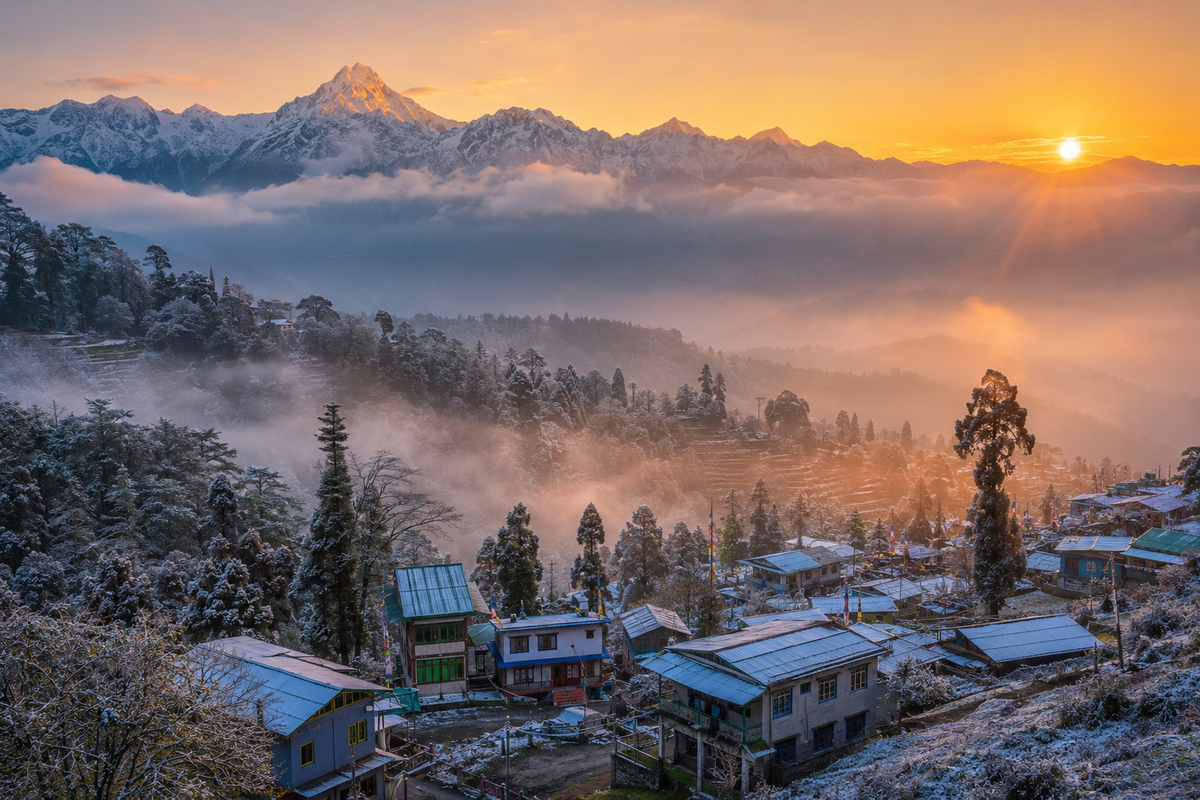
Pelling provides an unmatched backdrop of the snow-capped Kanchenjunga range. Here, at Pemayangtse Monastery, the Losar traditions are preserved with royal elegance.
- Internal Link: To make the most of your West Sikkim leg, read about the best things to do in Pelling.
Ravangla: Peaceful Mountain Havens
Nestled in South Sikkim, Ravangla is home to a thriving Tibetan community and the monumental Buddha Park. The celebrations at Ralang Monastery here are deeply spiritual, making it a perfect spot for those who value quiet, unhurried observation.
- Internal Link: Map out your South Sikkim journey with our guide to the top things to do in Ravangla.
6. The 2026 Shift: "Regenerative Cultural Immersion"
In 2026, the travel landscape has evolved. Conscious travelers are rejecting superficial sightseeing in favor of Regenerative Cultural Immersion. This means visiting historic celebrations like Losar in a way that actively supports, preserves, and honors the host community.
By staying at local homestays rather than generic luxury hotels, you directly support the local economy during the winter off-season. This approach allows you to build a Solid Foundation of mutual respect, often earning you an invitation to join a local family around their kitchen hearth to help fold Khabse pastries or share a steaming bowl of Guthuk.
7. Essential Etiquette for Mindful Explorers
To ensure your presence is supportive and respectful, keep this cultural checklist handy during your travels:
- Clockwise Always: When walking around monasteries, stupas, or prayer wheels, always walk in a clockwise direction (Kora).
- Dress Warmly but Modestly: Ensure your shoulders and knees are covered. Avoid wearing hats or sunglasses inside sacred shrine halls.
- Ask Before You Shoot: Always ask permission before photographing local families, children, or monks, particularly during moments of active prayer or meditation.
- Mind the Threshold: Never step on the raised wooden thresholds of monastery doorways; always step cleanly over them.
8. Winter Logistics & Packing Essentials
Winter in Sikkim is visually spectacular, but it requires thorough preparation.
- Transport Planning: Mountain roads can experience ice or frost during Losar. Always secure a reliable, high-clearance private vehicle.
- Permit Prep: Popular high-altitude sights near the borders require Inner Line Permits (ILP). Keep multiple photocopies of your passport and passport-sized photos handy.
- Internal Link: Make sure you don't miss a single step when organizing your travel documents by reviewing our online ILP permit guide for the North East.
- What to Wear: Pack heavy woolens, windproof outer jackets, and sturdy walking shoes for cold monastery courtyards.
- Internal Link: Review our comprehensive ultimate Sikkim packing list to make sure you're fully prepared.
Sikkim Losar Celebration Overview
To help you visualize your trip, here is a quick-reference matrix of the primary locations to consider for your BREEZIAH Losar itinerary:
| Location | Key Monastery | Highlight of Celebration | Atmosphere |
|---|---|---|---|
| Gangtok | Enchey Monastery | Cham dances, city-wide holiday lights | Lively, vibrant, communal |
| Pelling | Pemayangtse Monastery | Ancient royal ceremonies, Kanchenjunga views | Dramatic, grand, historic |
| Ravangla | Ralang Monastery | Traditional community feasts, deep chants | Intimate, peaceful, rustic |
9. The Battle of the Bows: Traditional Losar Archery & Games
Beyond the monastic walls, Losar brings a vibrant surge of athletic energy to Sikkim's valleys.
- Himalayan Archery: Archery (Dha-ghey) is the crowning traditional sport of the festival. Men dressed in elegant, heavy-silk Ghos or Bakus gather in local community grounds, using bamboo or modern carbon-fiber bows to hit small wooden targets set over 100 meters away.
- The Atmosphere: This is not a quiet competition; teams of singers and dancers perform synchronized routines to celebrate a bullseye or distract the opposing archer, filling the air with festive banter.
- Other Traditional Games: You will also witness lively tournaments of Sholo (traditional dice) and stone-lifting contests among local youth.
- Internal Link: If you love witnessing high-spirited, localized sporting spectacles, check out our guide to the Ziro Valley Music Festival to see how North East India celebrates outdoor heritage.
10. The Tashi Dargye: Decoding the Eight Auspicious Symbols
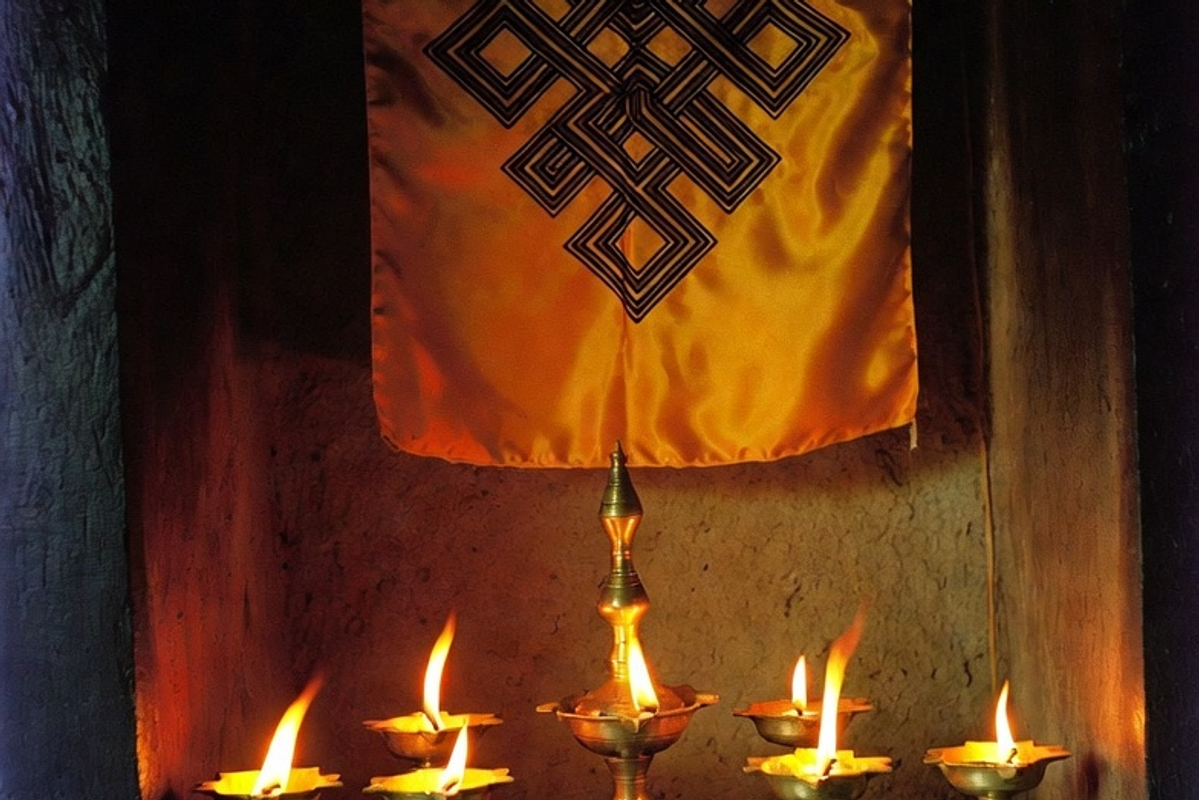
During Losar, Sikkim transforms into a living gallery. Homes, monastery gateways, and communal altars are meticulously decorated with the Tashi Dargye—the Eight Auspicious Symbols of Tibetan Buddhism. Understanding these symbols adds a layer of deep appreciation to your journey:
- The Endless Knot: Representing the infinite connection between spiritual cause, effect, and the union of wisdom and compassion.
- The Golden Fish: Symbolizing abundance, freedom, and fearlessness as we navigate the ocean of life.
- The Victory Banner: Representing the triumph of light and Buddha's teachings over ignorance and negative energies.
- The Lotus Flower: Symbolizing mental and spiritual purity blooming pristine above the muddy waters of daily struggles.
- Internal Link: For more spiritual iconography and architectural symbolism, refer to our comprehensive guide to Sikkim's most beautiful monasteries.
11. The First Water (Chupu): The Sacred Dawn Ritual
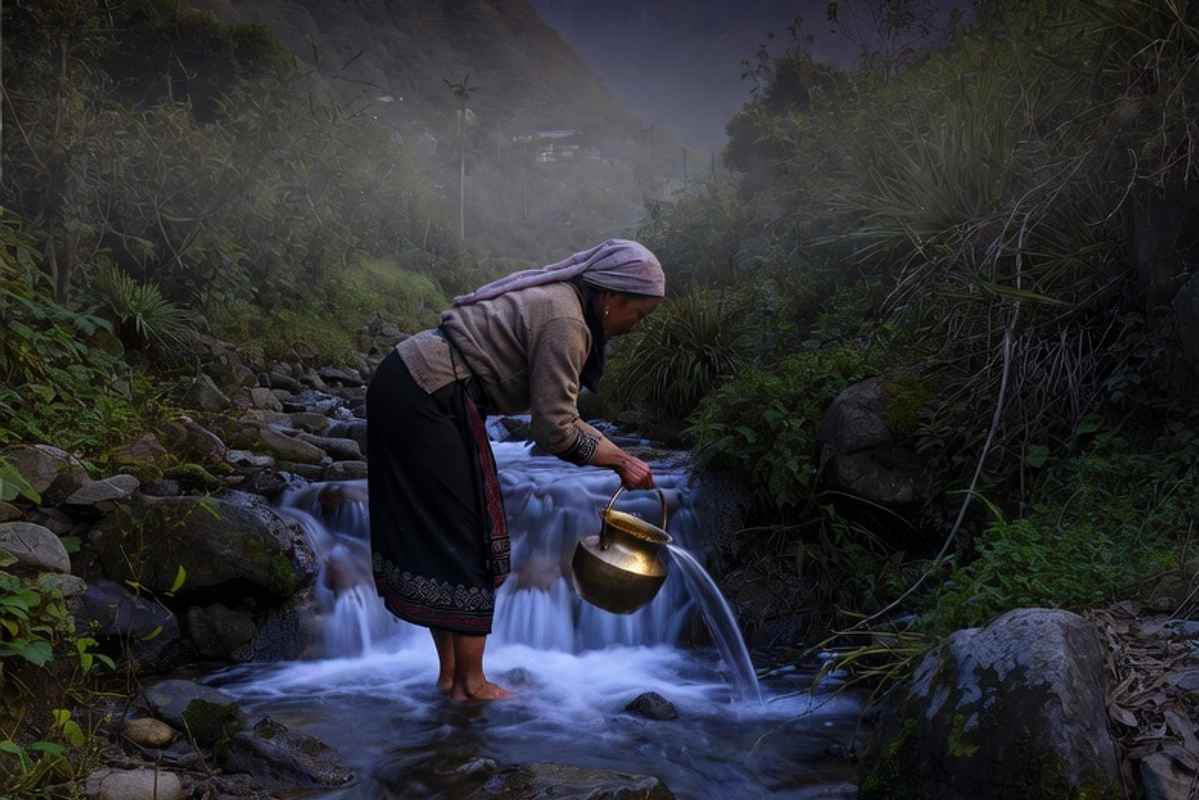
For those practicing true "Regenerative Cultural Immersion," understanding the intimate, quiet rituals of a Sikkim household is magical. The first day of Losar is intensely private and centers around dawn.
- The 3:00 AM Call: Early on New Year's morning, the head of the household rises in absolute silence to fetch the "first water" (Chupu) of the year from a nearby natural spring or community tap, believed to carry auspicious blessings.
- The Altar Blessing: The water is offered at the household shrine along with Tsampa (roasted barley flour mixed with yak butter) to invoke a fruitful agricultural harvest.
- Changkup in Bed: Before the sun rises, the family is served warm, sweet Changkol (fermented warm millet or rice beer soup) directly in bed as their very first culinary taste of the New Year.
- Internal Link: Learn about other natural spring water spots and packing tips to navigate winter early mornings with our ultimate Sikkim packing list for 2026
12. Frequently Asked Questions
(FAQ)
Helpful Answers
Frequently Asked Questions
A: Absolutely! The people of Sikkim are incredibly warm and welcoming. Non-Buddhist travelers are invited to observe the public Cham dances at monasteries and enjoy the festive street markets.
A: Because Losar is a major family holiday, many local shared cab drivers take time off to spend with their families. We highly recommend booking a private vehicle transfer through BREEZIAH in advance to ensure smooth transit. Learn more in our Sikkim shared cab and transit guide.
A: While major government offices and some family-owned traditional shops close for the first two days of Losar, tourist-facing restaurants on MG Marg and hotels remain open to serve travelers.
A: Yes. Many private estates and premium homestays offer specialized holiday dinners for couples looking for an intimate cultural experience. Learn more in our romantic Sikkim honeymoon guide.
Ready to step into the Cinematic Stillness of Losar? At BREEZIAH, we are dedicated to designing travel experiences that are sustainable, meaningful, and deeply authentic. Let our local specialists handle the winter logistics while you focus on connecting with the living culture of the Himalayas.
Plan My Losar Journey with BREEZIAH | View Our Signature Tour Packages | Contact Our Team
Plan This Journey
Turn this Sikkim guide into a trip that fits your pace
If this guide is part of the kind of holiday you want, Breeziah can help shape the route, travel flow and stay style around your dates, comfort level and destination priorities.
Related Guides
Continue exploring Sikkim
A Guide to Sikkim's Most Beautiful Monasteries: Rumtek, Pemayangtse & More
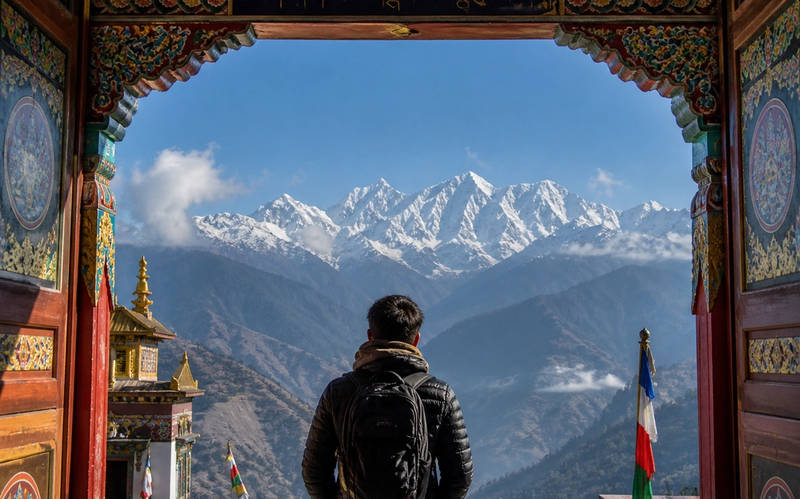
Step into a realm of deep, cinematic stillness. With over 200 sacred sanctuaries hidden among its mist-shrouded peaks, Sikkim is a living monument to Himalayan Buddhism. From the grand, gold-leafed pillars of Rumtek to the royal woodworking of Pemayangtse, these monasteries are built on solid foundations of history and quiet wisdom. Our 2026 spiritual guide leads you off the beaten path to explore sacred chortens, witness vibrant masked dances, and learn the mindful etiquette of slow-travel pilgrimage.

Sikkim for Couples: Best Romantic Getaways and Honeymoon Resorts
Escape to a land of "Organic Intimacy" where the clouds touch the peaks and time slows down for two. From the gilded sunrise at Buddha Park to the private tea-tasting sessions in Temi, Sikkim is the ultimate canvas for a romantic story. Whether you’re seeking the solid foundation of a heritage resort in Gangtok or the cinematic stillness of a stargazing night in Nathang Valley, our 2026 guide reveals the most meaningful products of Himalayan romance. Discover why Sikkim is India’s premier destination for couples seeking connection beyond the ordinary.
Sikkim on a Budget: How to Explore the Himalayas for Less
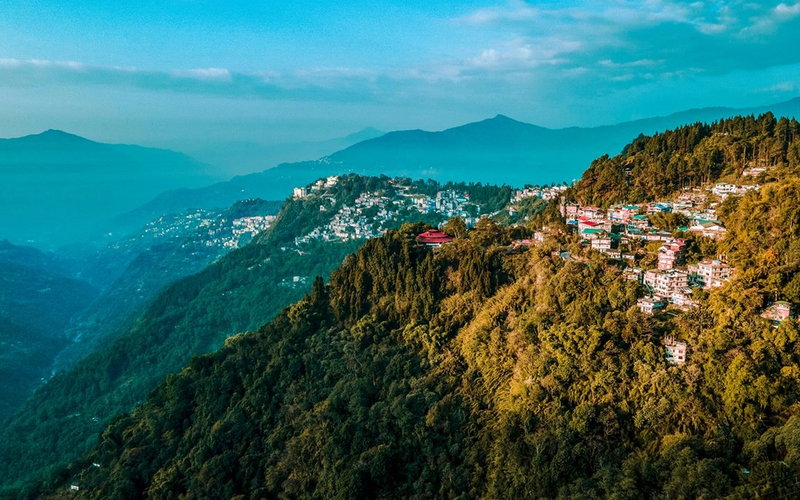
Think the Himalayas are only for big spenders? Think again. From mastering the intricate shared cab network of Gangtok to finding the "Refined Luxury" of a ₹800 heritage homestay, we’re pulling back the curtain on how to explore Sikkim without breaking the bank. Discover the 2026 "Slow-Zone" strategy, learn to DIY your own border permits, and find out why South Sikkim is the secret haven for the frugal explorer. Your mountain story doesn't need a five-star budget—it just needs a solid foundation.